animal bedding machine

Why Bedding Pellets?
Bedding pellets are changing the way animals are housed. Unlike loose shavings or straw, pelleted bedding offers consistent quality and easier handling. Here’s why more farms and bedding manufacturers are making the switch:
PREVIOUS
NEXT
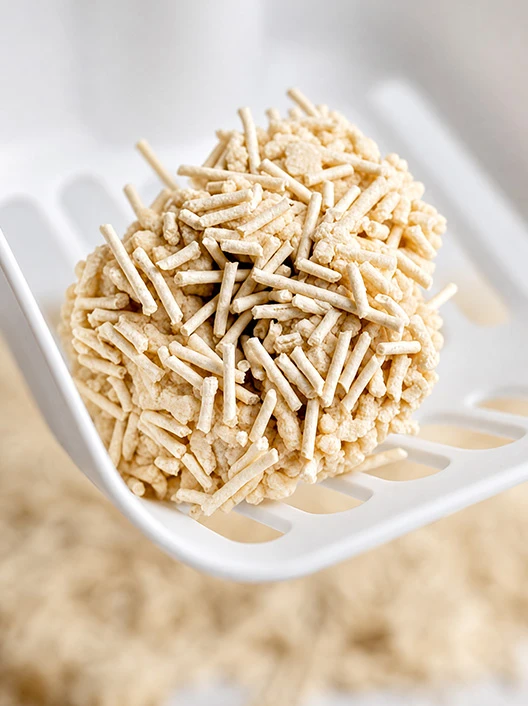
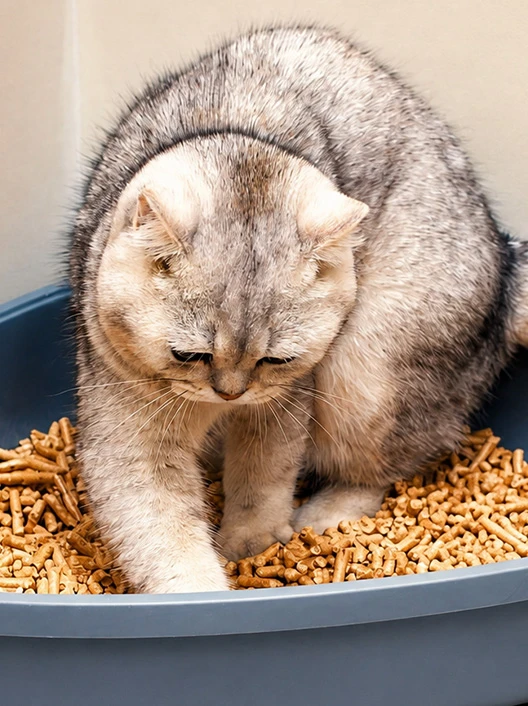
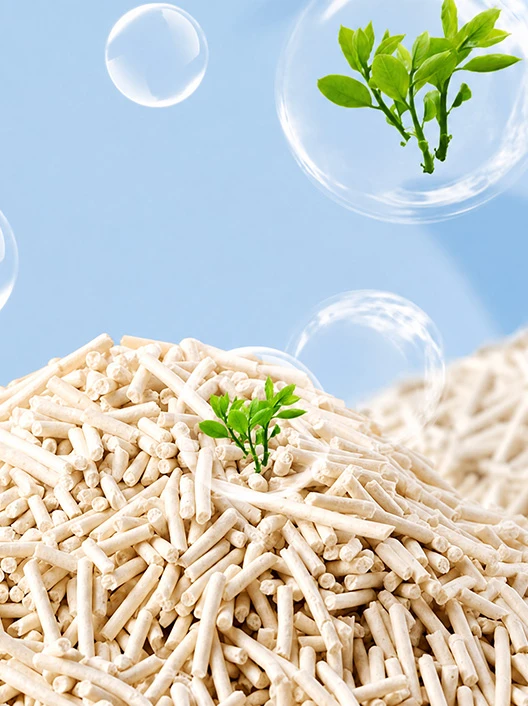
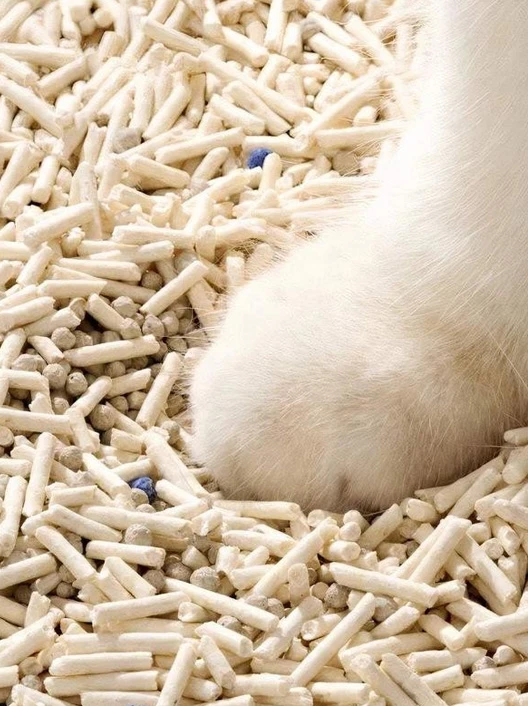
Animal Bedding Machine exhibition
Turning waste into high-value bedding pellets? It’s simpler than you think. From shredding to bagging, a reliable equipment chain makes all the difference. Here’s what you might need.
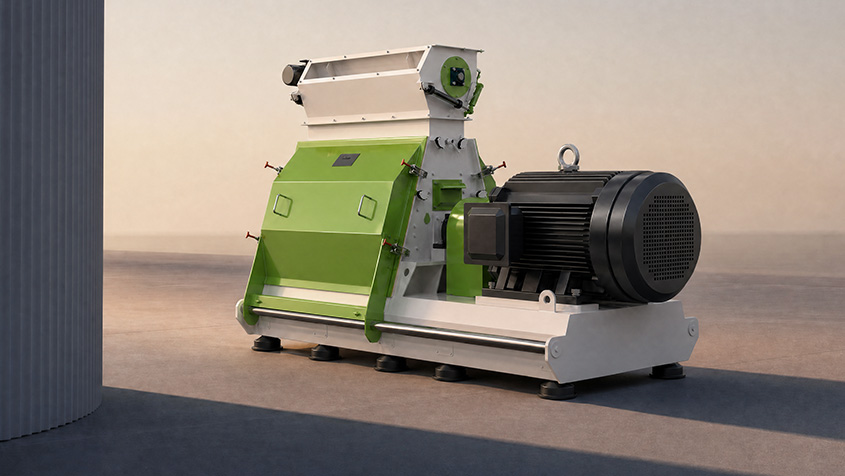
Hammer Mill
Our hammer mill pulverizes wood, paper, or grass into uniform powder. Think 3-5mm—ideal for consistent pellets. Heavy-duty hammers and a balanced rotor? They slash downtime.
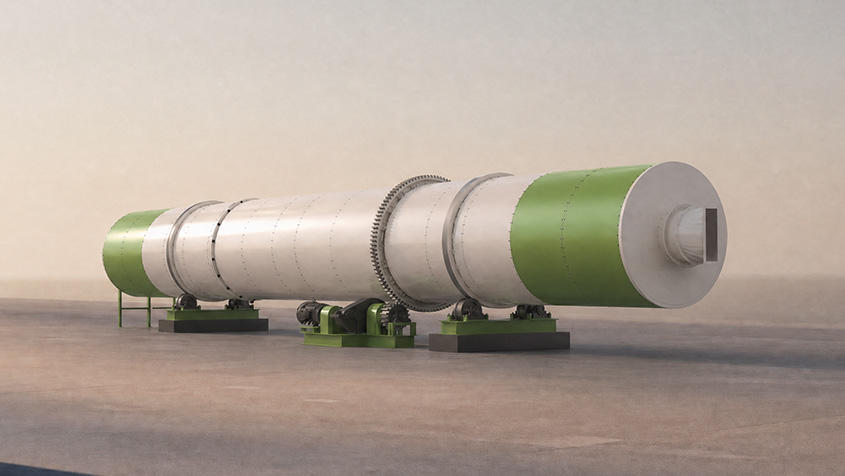
Dryer
Moisture is the enemy of good pellets. Too wet? They crumble. Too dry? They crack. Our dryer dials it in—13% to 15% moisture. Hot air circulation design saves energy.
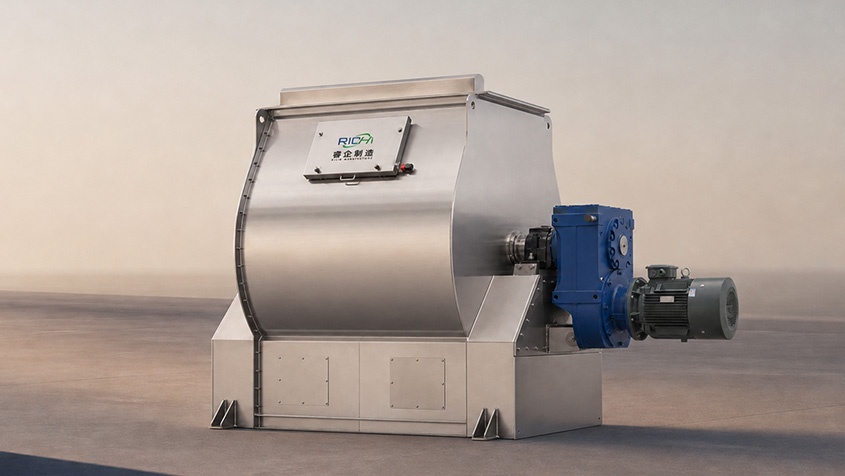
Mixer
Need to add binders or adjust formulas? Our mixer blends evenly, fast. Single-shaft or twin-shaft options—both handle fibrous materials well. On-site tests show CV < 7%.
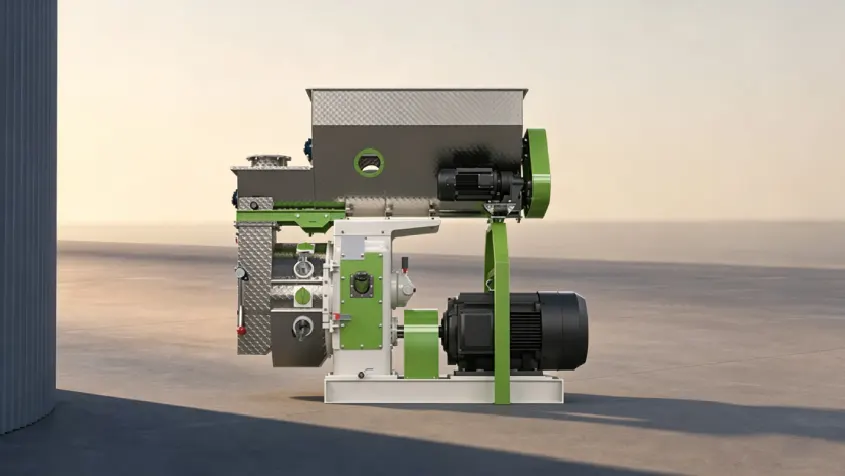
Pellet Mill
The heart of the line. Choose SZLH (with conditioner) for clay-based bedding—or MZLH (without) for dry wood, paper, or grass. Both use a durable ring die and high-torque motor.
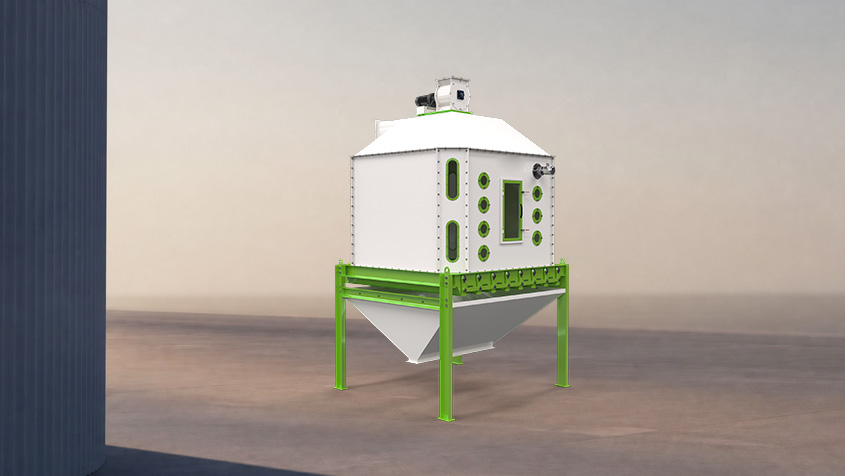
Cooler
Hot pellets are fragile. Our counterflow cooler drops them to room temperature. Airflow moves upward—opposite to pellet flow—so cooling is gradual and even. This prevents cracks and surface checks.
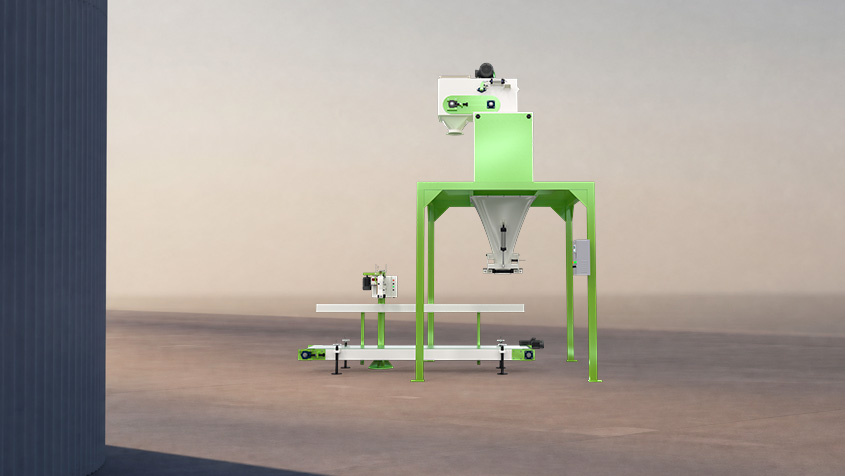
Screener & Auto Packer
The screener removes fines and oversized pellets—only market-ready material passes. Then the auto packer weighs and bags them. Speeds up to 10 bags per minute. Reduces labor costs significantly.
Our video showcase
Please watch our 3 real test videos to see full RICHI pellet lines: bentonite cat litter trial, complete cat litter production flow and multi-purpose animal bedding machinery, all customizable for diverse raw materials.
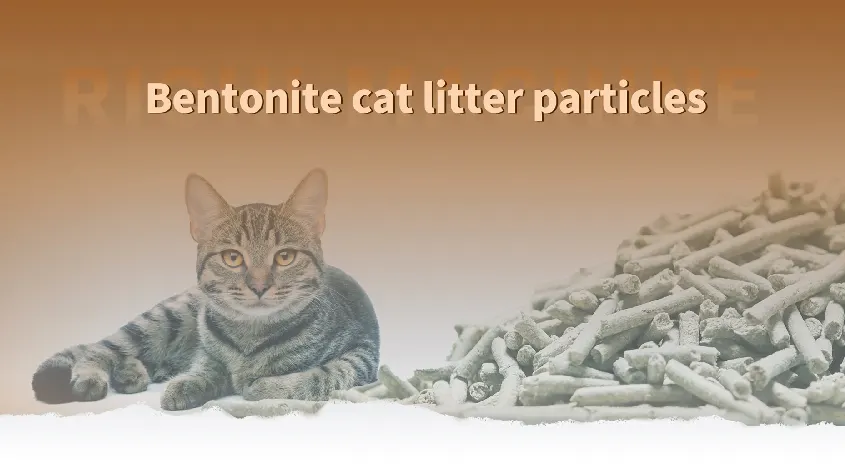

Bentonite Cat Litter Pellet Production Test
This video fully demonstrates the whole pelletizing workflow of bentonite cat litter. It shows raw bentonite feeding, machine test operation, fresh pellet extrusion and finished rod-shaped litter display, plus a real test with kittens. RICHI animal bedding machine makes uniform, high-quality bentonite cat litter from raw mineral powder for cat litter manufacturers.

Full Bentonite Cat Litter Production Line Flow
This video displays the complete bentonite cat litter pellet production workflow. The central control cabinet independently manages all processes: mixing, pelleting, drying, cooling, screening and automatic bagging. Each supporting machine is clearly shown, delivering stable, uniform rod-shaped cat litter for manufacturers.
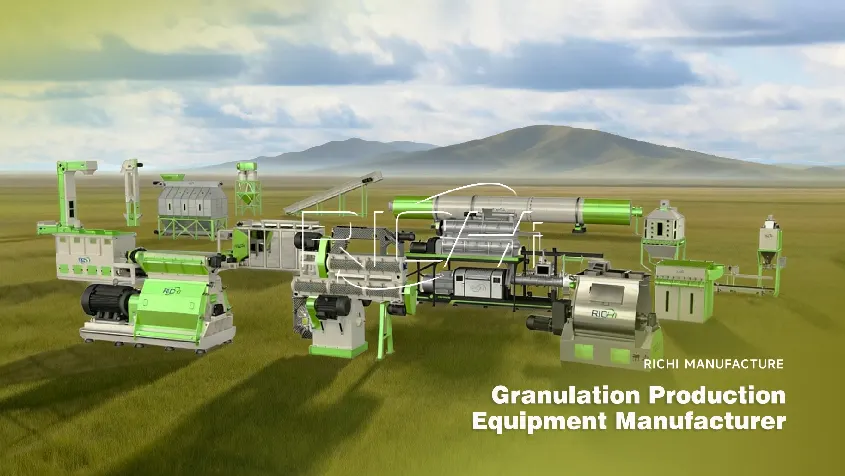
Animal Bedding Pellet Production Equipment
As an experienced animal bedding machine manufacturer, this video displays full sets of RICHI granulation machinery in our workshop, including hammer mills, pellet mills, coolers and mixers. We customize full turnkey lines tailored to your raw materials like wood shavings, husks and paper to make premium animal bedding pellets.
Animal Bedding Pellet Machine Models
RICHI offers a full range of animal bedding machine tailored to different bedding materials. SZLH series comes with a conditioner for materials that need steam treatment; MZLH series runs without a conditioner for dry, directly-pressable materials.
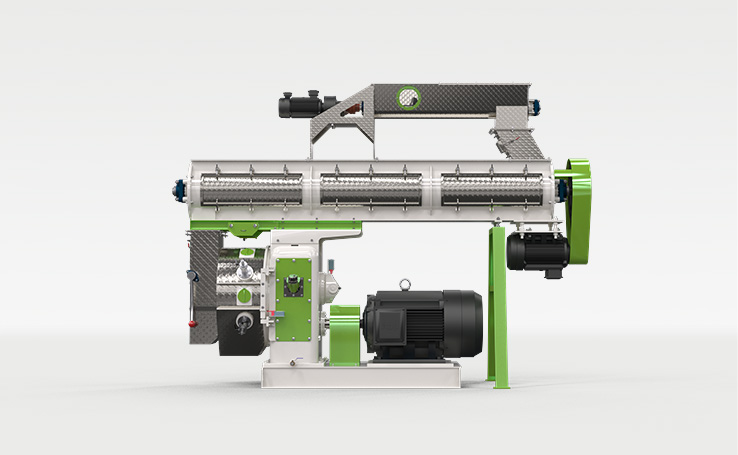
SZLH animal bedding pellet machine
The SZLH comes with a stainless-steel conditioner. It injects steam to pre-condition materials like bentonite clay, tofu litter, or corn-based litter. Why does that matter? In our experience, it boosts binding and improves pellet durability. On-site tests show better water stability too.
Price: 70,000-100,000 USD
| Model | SZLH250 | SZLH320 | SZLH350 | SZLH420 | SZLH508 | SZLH558 | SZLH678 | SZLH768 |
| Main Motor Power (kw) | 22 | 37 | 55 | 110 | 160 | 185 | 250 | 315 |
| Conditioner Power (kw) | 1.5 | 4 | 4 | 7.5 | 7.5 | 11 | 11 | 11 |
| Output(T/H) | 1.0-1.5 | 3-4 | 5-6 | 10-12 | 15-16 | 20-22 | 30-33 | 38-40 |
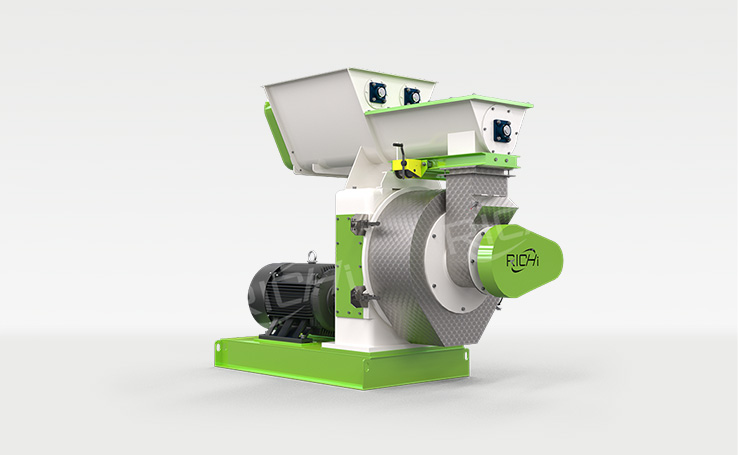
MZLH animal bedding pellet machine
No conditioner on this one. The MZLH is built for dry, fibrous materials: pine shavings, wood dust, paper waste, grass clippings, even crystal litter. The key? A forced feeder and anti-bridging hopper to handle these stuff that cannot flow on their own. 8-pole motor gives you the torque to push through tough material.
Price: 70,000-100,000 USD
| Model | CZLH320 | CZLH350 | CZLH420 | CZLH520 | CZLH678 | CZLH768 |
| Main Motor Power (kw) | 22 | 37 | 90 | 132 | 200 | 250 |
| Ring Die Inner Diameter(mm) | 320 | 350 | 420 | 520 | 673 | 762 |
| Output(T/H) | 0.5-0.6 | 1.0-1.2 | 1.8-2.0 | 2.8-3.0 | 4.0-5.0 | 6.0-8.0 |
Core Components – Built to Last
A pellet mill is only as good as its components. Here are four critical parts that determine performance, longevity, and pellet quality—straight from our workshop floor:
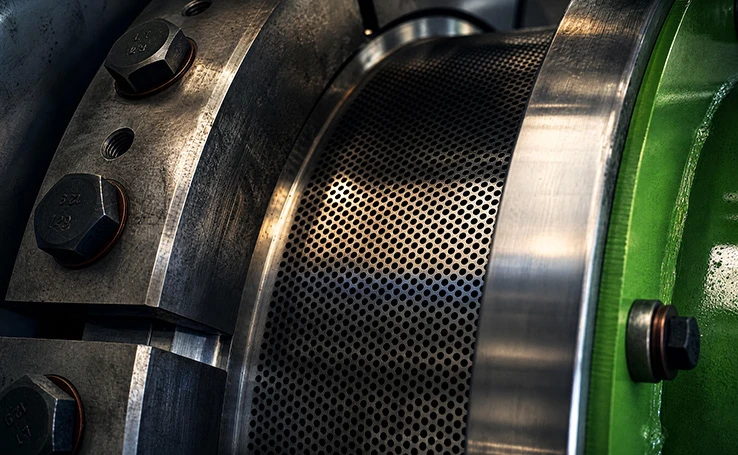
The Ring Die
The ring die is the heart of the animal bedding machine. Made from 42CrMo alloy steel or stainless steel, it determines pellet diameter and density. Our dies undergo specialized heat treatment to resist cracking—a common issue in production. In daily use, this translates to longer die life and fewer costly replacements.
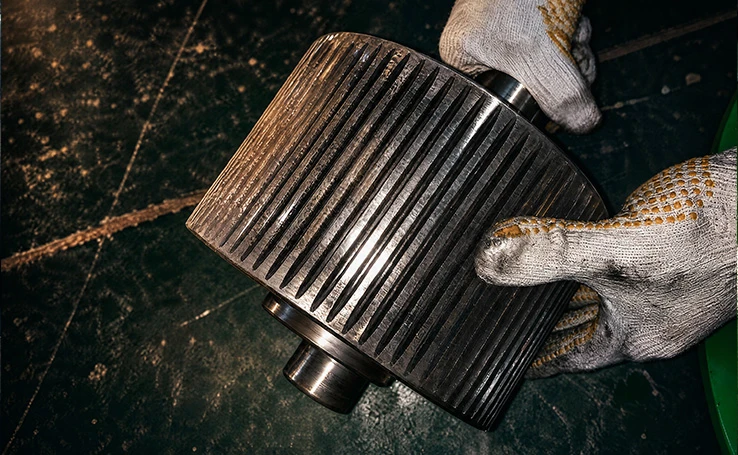
The Roller Assembly
Two rollers press material against the rotating die. Made from 40CrMnTi alloy steel with hardened surfaces, they deliver the crushing force needed for fibrous materials. In our experience, roller shell design is critical—we use wider working surfaces for straw to prevent slipping and ensure even pellet formation.
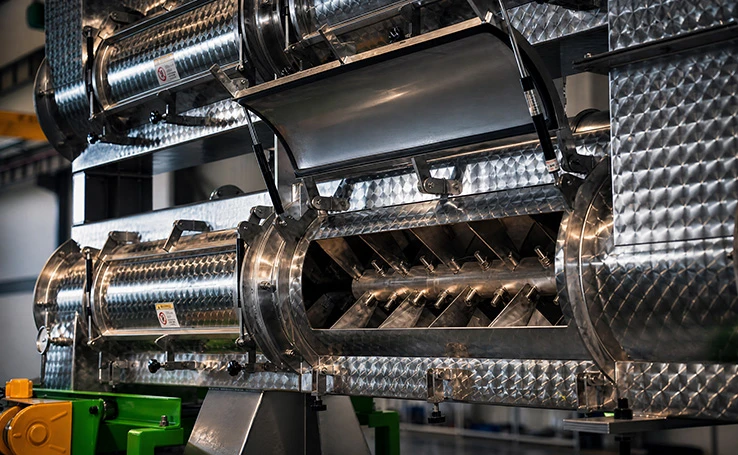
The Conditioner
Exclusive to SZLH models, the conditioner injects steam to soften and bind materials like bentonite and tofu dregs. With adjustable paddle angles and multilayer options, it gives you control over retention time—typically 15–40 seconds for pet bedding.
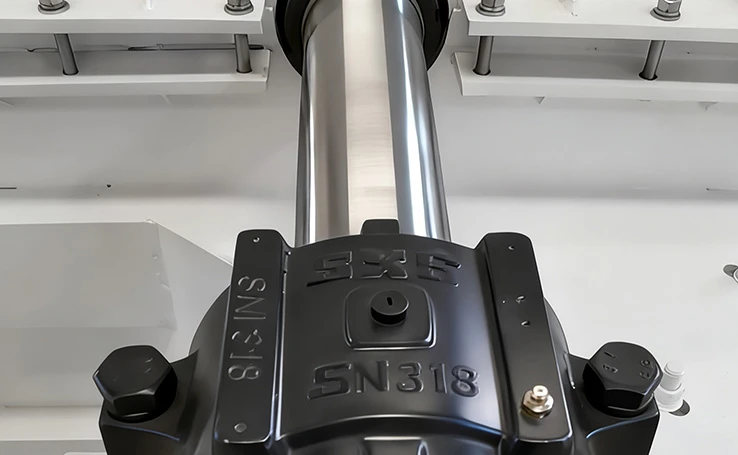
The Gear Transmission
We use high-precision gear transmission instead of belts; its efficiency is roughly 15–20% higher than belt-driven systems. Hardened helical gears run last longer. The key benefit? Less downtime, lower maintenance costs, and reliable 24/7 operation even with tough materials like straw and wood chips.
Wide Application Scenarios of Animal Bedding Machine
From small family farms to industrial manufacturers, the applications of animal bedding machines are surprisingly broad. The key is matching the right machine scale to your operation. Contact us to learn more about bedding pellet equipment pricing and find the model that fits your production goals.
Local Market Production
We’ve seen local producers dominate their market. Mainly used for regional supply. With an MZLH520 or SZLH350, you can supply bedding to pet stores, equestrian centers, and livestock operations within a 200-mile radius. These machines run 8–10 hours a day, achieving consistent pellets and steady output, building a reputation in local markets. In our experience, local brands grow fast.
National & Export Market Production
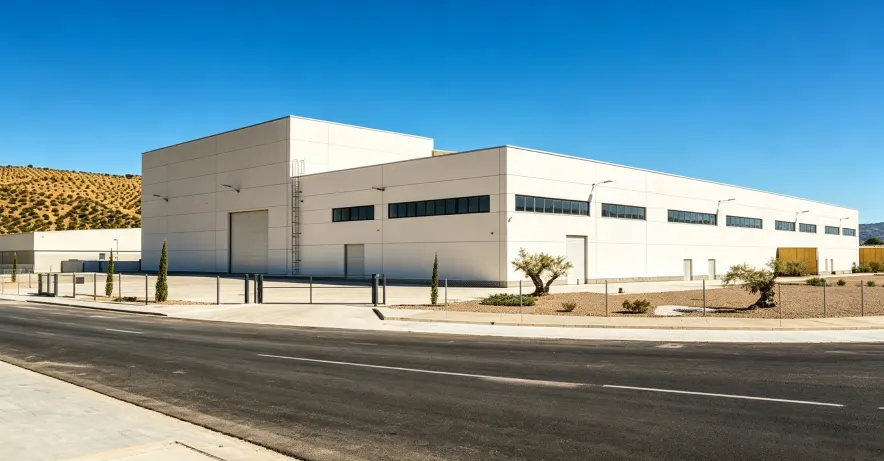
Mass production primarily for commercial distribution in domestic and export markets. The SZLH678 delivers 20–30 tons per hour—enough to fill trucks and shipping containers daily. This is the machine for bedding brands supplying major retailers, feed stores, and export markets. We’ve installed these in facilities across Europe, North America, and Southeast Asia.

Niche & Small Pet Bedding
Not all bedding is for livestock. We’ve set up a line for a rabbit breeder — pure paper pellets, dust-free, gentle on paws and reduce allergies. Another client makes hemp bedding for hamsters and guinea pigs. The mill? Compact — fits in a garage but produces commercial-grade pellets. In our experience, niche bedding brings premium margins. Worth exploring for your business? It’s a low-risk entry.


Waste-to-Bedding: Circular Profit
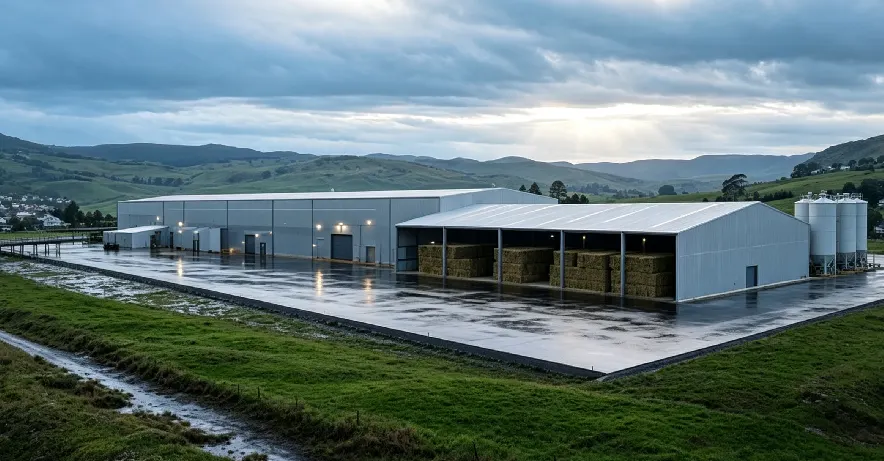
We’ve seen this shift. Paper mills, recycling centers, and farms with abundant crop residues are discovering the profit in pelletizing waste. Waste paper, cardboard, straw, and nut shells—materials that once cost money to dispose of—become valuable bedding products and sell at premium prices. It’s a circular economy win: lower disposal costs, new revenue stream. It’s a win-win.

PREVIOUS
NEXT
Global Case Details
From Waste paper pellet plant in Kazakhstan to largescale facilities in Europe and North America, RICHI bedding pellet lines are producing results worldwide. Here are just a few of the projects we’ve delivered.
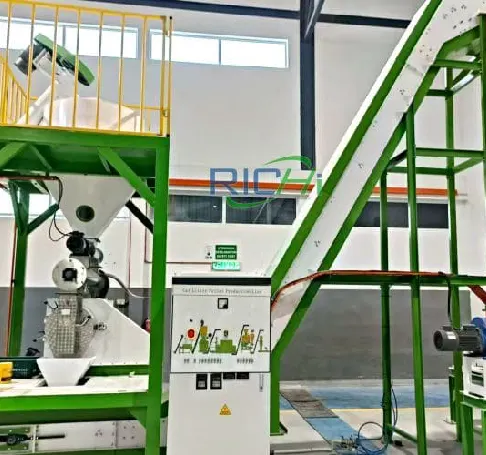
1.5-2 T/h Tofu Animal bedding machine for sale in Australia
An Australian pet shop owner built a 4,000-ton annual plant on a 600㎡ site, with just 4 staff running single shifts. We tailored full dust & noise control systems—bag dust collectors, sound insulation—to meet local environmental audit standards in daily production.
Particle Size: 3-4 mm
Suggested Retail Price: US$80,000
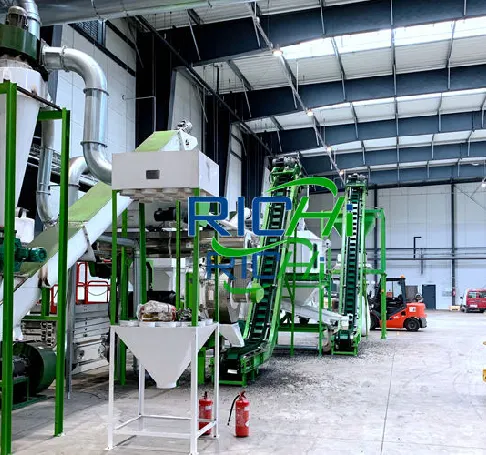
2-2.5 T/h Waste Paper & horse bedding pellet production Line in Kazakhstan
This 2–2.5t/h paper pellet plant in Almaty runs dual shifts: paper feedstock by day, horse bedding pellets at night (leveraging cheap off-peak power). We modified MZLH520 granulators to fit unstable local grids; on-site tests proved its zero-steam formula slashes water use by 80%.
Particle Size: 2-6 mm
Control Mode: Semi-automatic
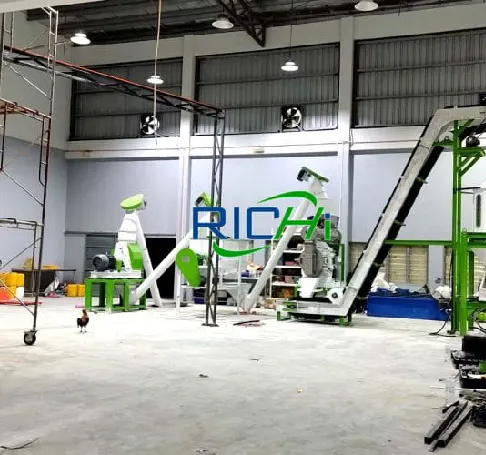
4-5 T/h Bentonite Cat Litter Factory in US
Based in Mississippi’s top bentonite mining zone, this 4–5t/h cat litter plant expands an existing mineral processor to hit 30,000 tons yearly. We designed full power distribution, fire protection and closed granulation workflows, with 20 workers operating three 8-hour shifts all year round.
Installation Time: 60 days
Suggested Retail Price: US$360,000
6‑8T/H Bentonite & Tofu Cat Litter Production Line in UK
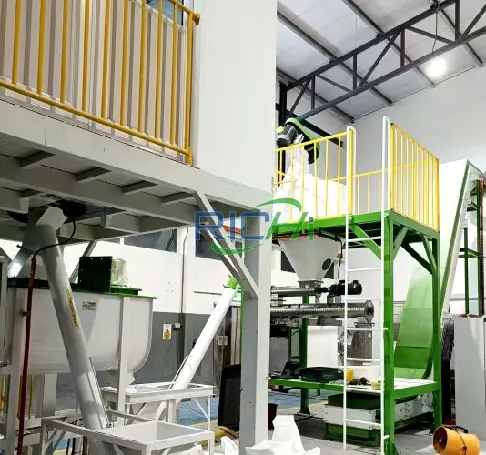
This 6‑8t/h cat‑litter plant is our 28th project in Britain for a local well‑known pet‑goods enterprise. With high‑automated RICHI machines, only 10 staff run this line. It makes globally‑exported tofu and bentonite cat litter while complying with strict UK environmental standards after starting operation in Feb 2022.
Particle size: 2-4 mm
Suggested Retail Price: US$430,000
9-10 T/h Cat Litter Production in South Korea
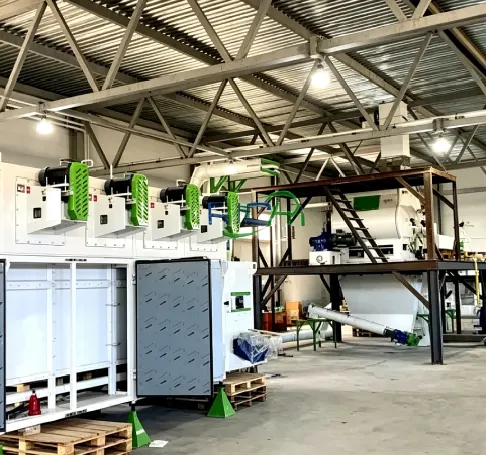
A Korean pet brand invested $650,000 for four 9–10t/h shared cat litter lines in Vietnam, outputting 40k tons tofu litter & 40k tons plant litter yearly. The closed steam granulation loop recycles unqualified pellets; we delivered full layout drawings and turnkey equipment quotation for it.
Control Mode: Fully Automatic
Suggested Retail Price: US$650,000
10-12 T/h Multi-purpose Animal bedding machine for sale in Italy
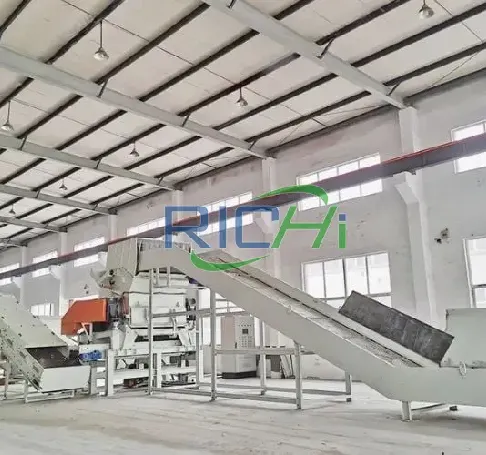
This expansion project in Italy adds three pellet workflows to an existing workshop, without heavy civil works. We swapped old water curtain dust traps for bag filters, cutting waste discharge to nearly zero. The 15-person team runs single shifts to produce cat litter and air purification pellets.
Installation Time: 150 days
Suggested Retail Price: US$400,000
PREVIOUS
NEXT
Who are we?
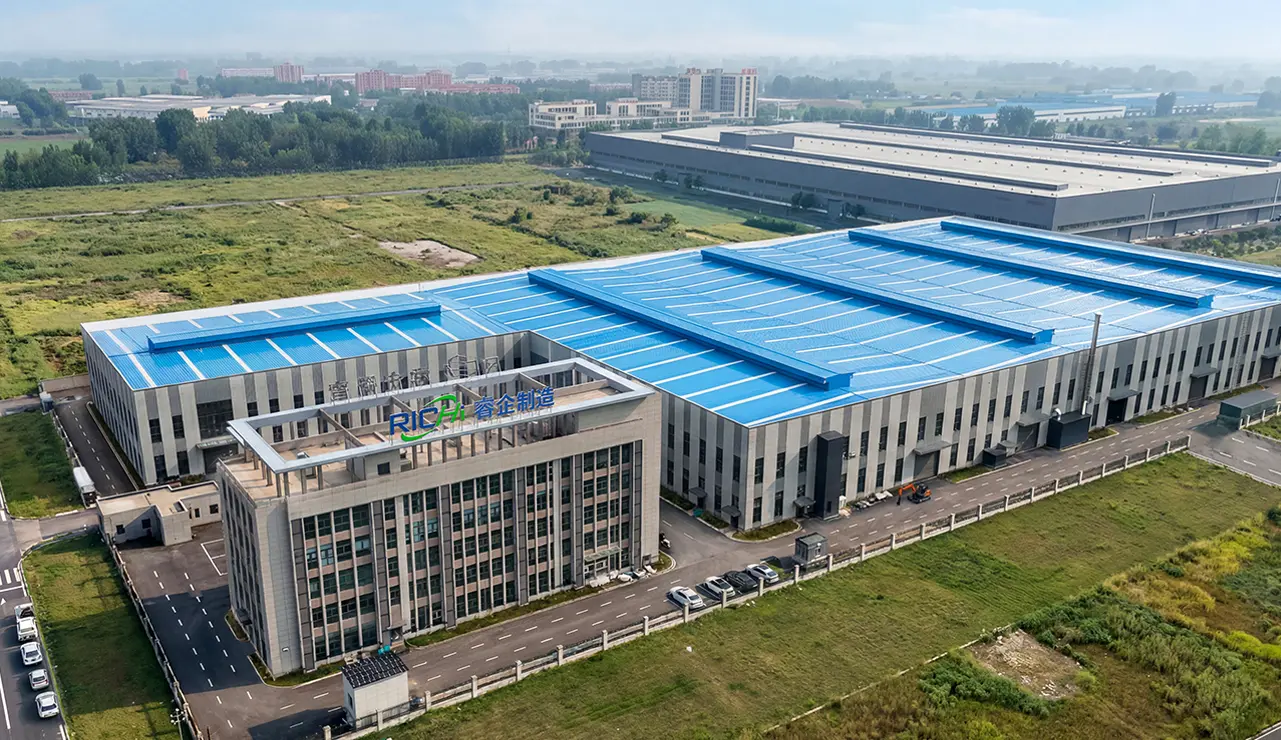
RICHI Manufacturer Co., Ltd., established in 1995, is a professional manufacturer integrating R&D, manufacturing, design and installation of complete sets of feed machinery engineering, complete sets of biomass pellet engineering, steel silo engineering and automation control.
Certifications & Honors
RICHI has obtained numerous international authoritative certifications, including CE, ISO9001, SGS, German TÜV, Russian RTN, and French BV, and holds 23 patents. The company has been recognized as a Henan Provincial High-Tech Enterprise, a Zhengzhou Municipal “Specialized, Refined, and Innovative” SME, and a member of the Henan Provincial International Trade E-commerce Association.
60,000㎡+
production base
23+
Patents obtained
30+
Years Of Experience
2000+
successful projects
Product System & Global Service
RICHI has developed a diverse and comprehensive product system, covering 15 major series and over 200 products, including feed pellet mills, wood pellet mills, organic fertilizer pellet mills, aquaculture extrusion extruders, and cat litter pellet mills. This system can comprehensively meet the needs of various feed production and biomass pellet processing.
Leveraging a comprehensive international marketing network, its products are sold in 131 countries and regions worldwide, with over 2000 projects implemented and annual exports exceeding 100 million RMB, serving customers globally.