animal feed machine

Multi‑Purpose animal feed machine
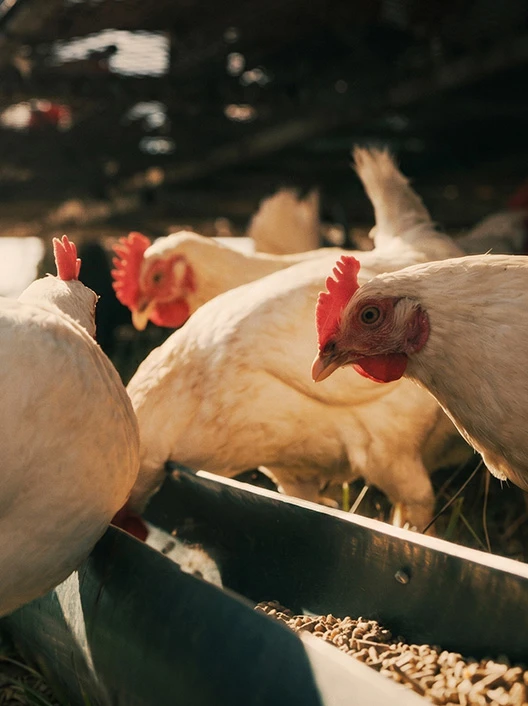
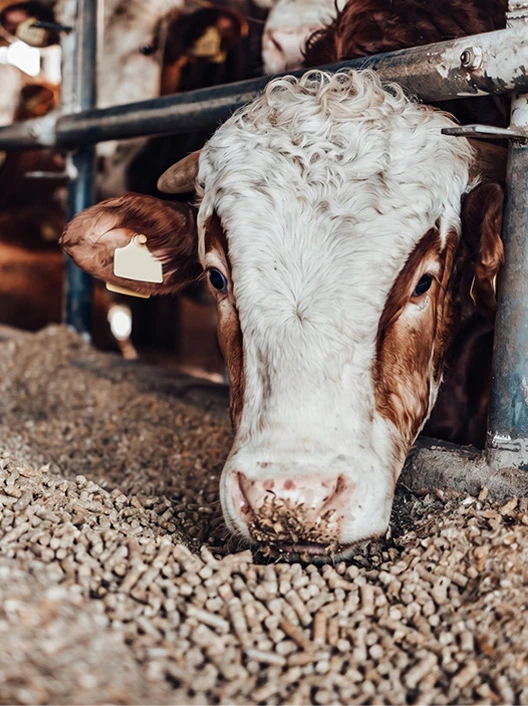
Different animals, different feed. Chickens peck, fish swallow, shrimp nibble, and pets expect premium kibble. We’ve built our feed processing machines around these realities—not the other way around. Here’s what each species actually needs.
PREVIOUS
NEXT
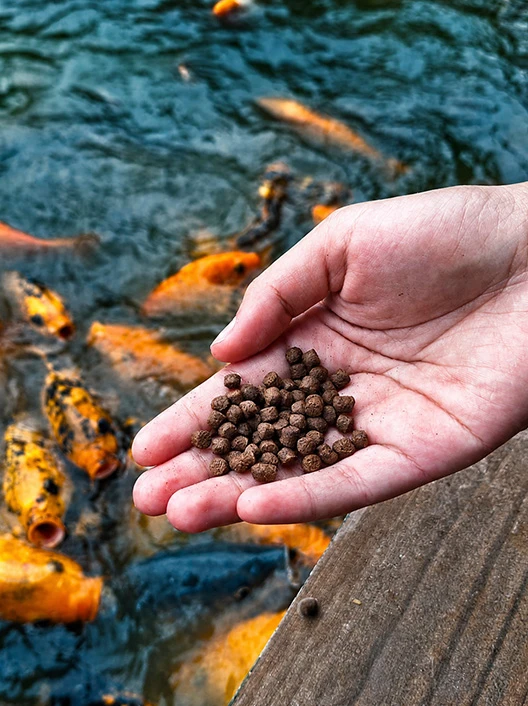
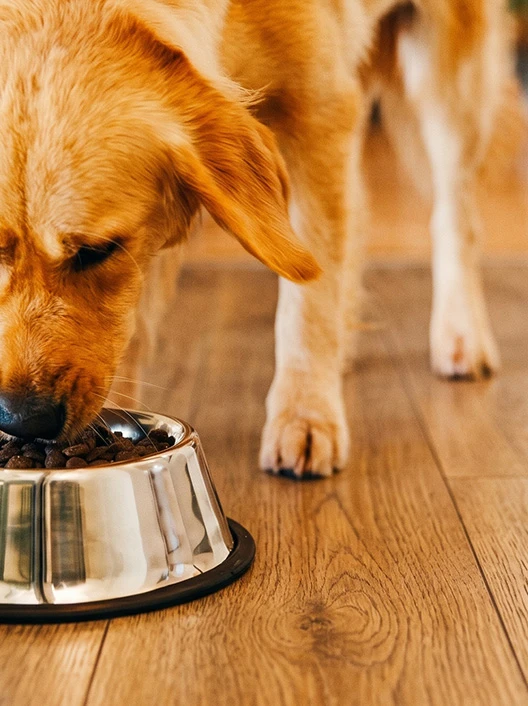
Animal Feed Machine exhibition
From raw material intake to finished bagging, RICHI supplies every machine for your animal feed plant. We offer hammer mills, mixers, pellet mills, extruders, dryers, coaters, coolers, screens, and automatic packers – one integrated source for reliable, high‑output feed production.
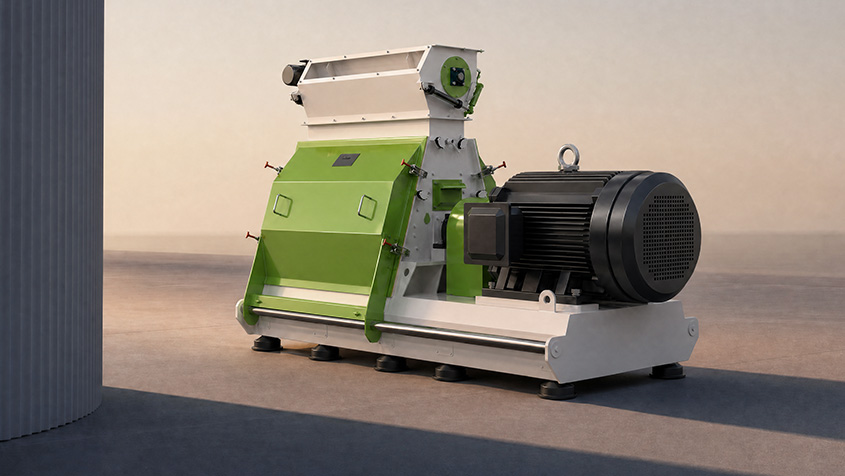
Hammer Mill
Hammer mills reduce grains, oil meals, and fibrous ingredients into uniform powder for optimal mixing and pelleting. Water‑drop crushing chambers break airflow circulation to protect motor bearings.
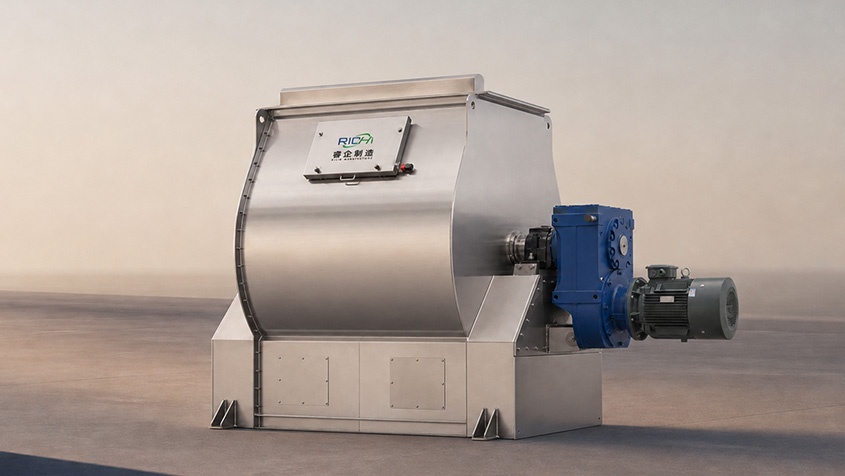
Mixer
Mixers combine feed ingredients into homogenous batches. Single‑shaft paddle, twin‑shaft, and ribbon models handle dry powders, liquids, and even sticky molasses. Mixing uniformity exceeds 98%.
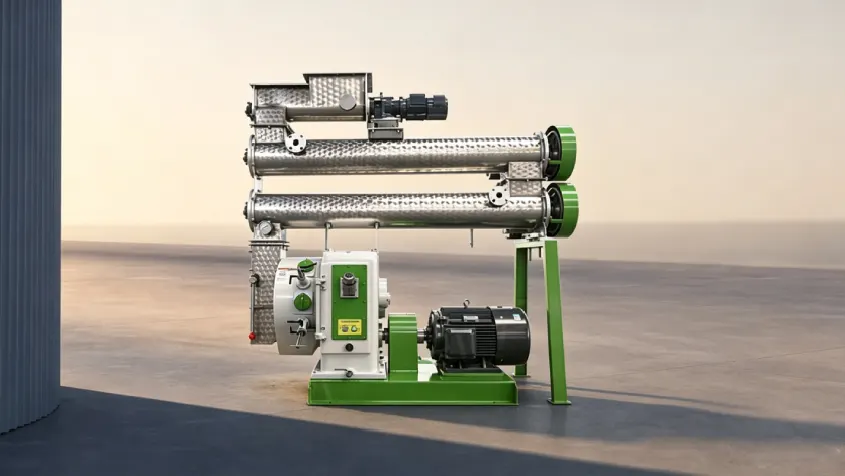
Pellet Mill
Pellet mills compress conditioned mash into dense, uniform feed pellets. Stainless steel dies and 4‑pole motors deliver high capacity. Steam conditioners gelatinize starch, improving digestibility.
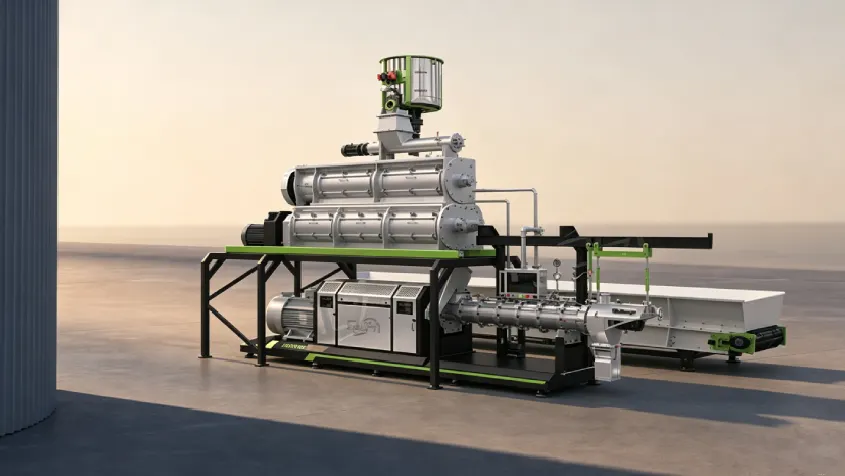
Extruder
Extruders cook and expand feed through mechanical shear. Single‑screw units suit standard diets; twin‑screw machines handle high‑fat, high‑fibre recipes.
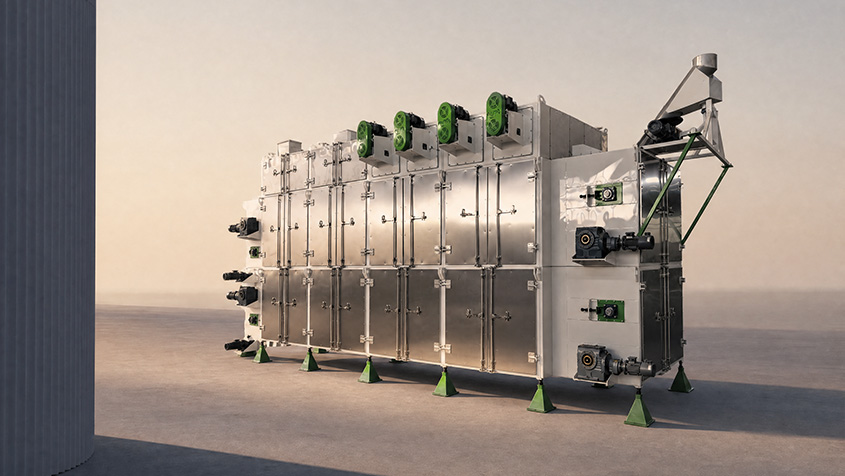
Dryer
Dryers reduce pellet moisture to safe storage levels below 13%. Hot‑air circulation designs save over 30% energy. Multi‑layer mesh belts ensure even drying without case‑hardening or wet centres.
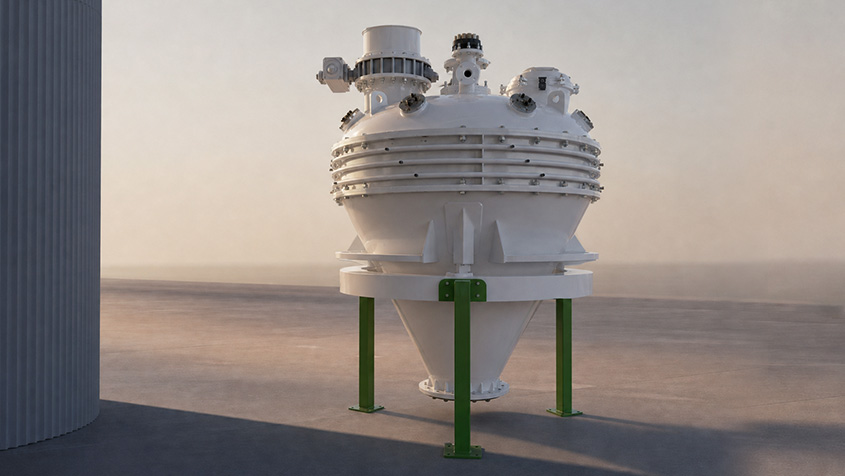
Coater
Coating machines apply oils, fats, and heat‑sensitive additives after drying. Vacuum coaters deliver uniform coverage. Their systems add up to 36% oil content for high‑energy aquatic and pet diets.
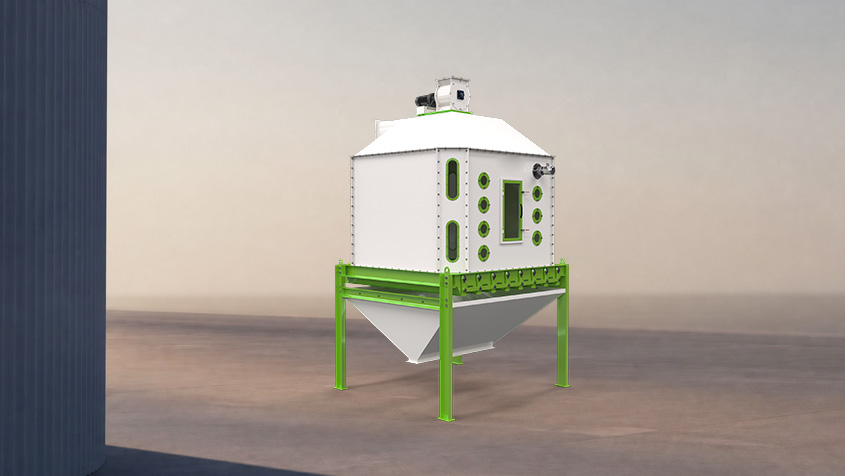
Cooler
Counterflow coolers gradually lower pellet temperature to ambient +3‑5°C. Ambient air rises through the pellet bed, preventing thermal stress and surface cracking.
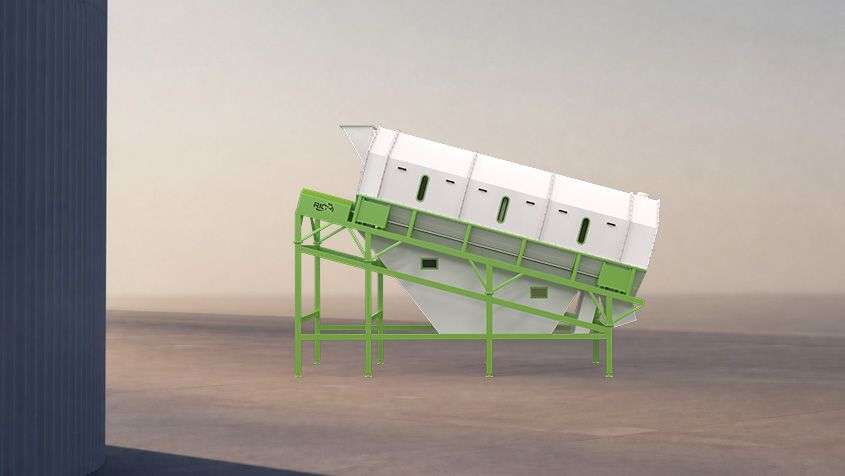
Grading Screen
Rotary and vibrating screens classify pellets by size. Multi‑deck designs separate fines, oversize, and finished product in one pass. Quick‑change screen frames reduce downtime between recipe changes.
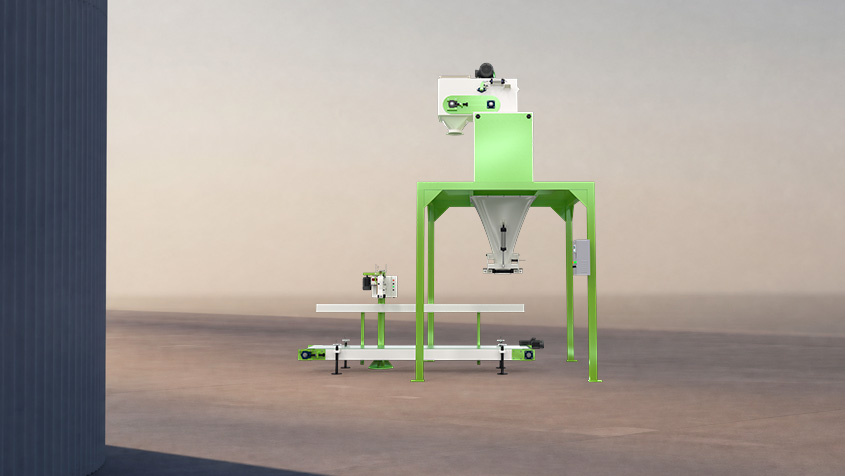
Automatic Packer
Automatic packing scales bag pellets at speeds up to 10‑12 bags per minute. Belt, gravity, or screw feeders match your material. Accuracy within ±0.2% reduces giveaway and ensures consistent weights.
Our video showcase
Below are real‑shot and 3D‑animation videos showcasing core parts of pellet‑making machines, feed pellet‑line operations, and 10 T/H feed‑plant layouts. These videos will help you gain a more intuitive understanding of feed‑pellet production.
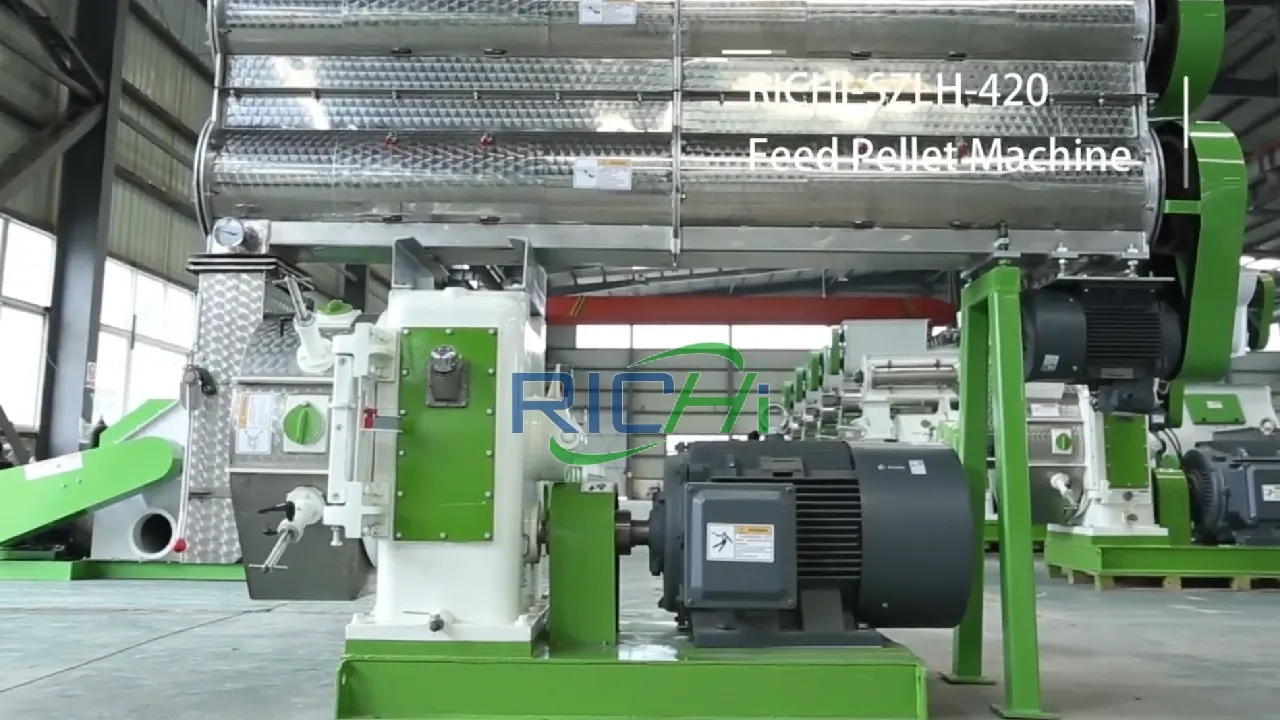

SZLH420 Double Conditioner Animal Feed Pellet Mill Parts
If you want clear close-ups of animal food processing machine components, this video fully displays every core part of RICHI SZLH420 pellet mill equipped with professional double-layer conditioner, including corrosion-resistant stainless steel conditioning barrel, reliable SIEMENS driving motor and precision matched die-roller assembly for steady livestock feed forming.
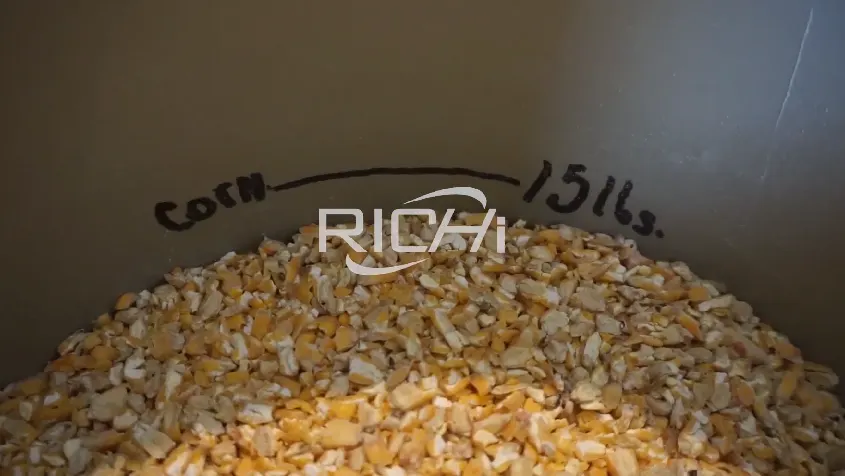
Various Raw Materials Feed Pellet Production Line Show
This video fully displays the whole feed pelleting process, including various pelleting raw materials like wheat, peas, oats and fish meal, animal feed processing machine workshop equipment, as well as animal eating finished feed pellets. It helps you clearly understand feed pelleting technology. If you have bulk raw materials to process, contact us to get a detailed animal feed making machine price.
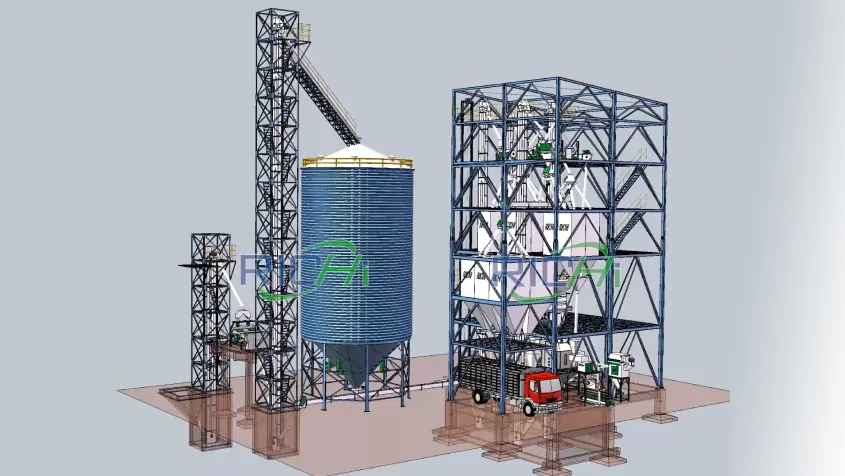
3D Animation of 10T Feed Production Line
This 3D animation video clearly demonstrates the full construction process of a 10-ton complete feed production line. It displays the layered steel frame, crushing, batching, pelleting, silo storage and finished truck loading layout, intuitively showing the full process arrangement of the whole plant.
animal feed machine Solutions
Animal food machines aren’t one-size-fits-all—and neither are we. From 1 T/H starter lines to 160 T/H industrial plants, RICHI is tailored to your specific animal feed requirements. Contact us for a animal feed machine price.
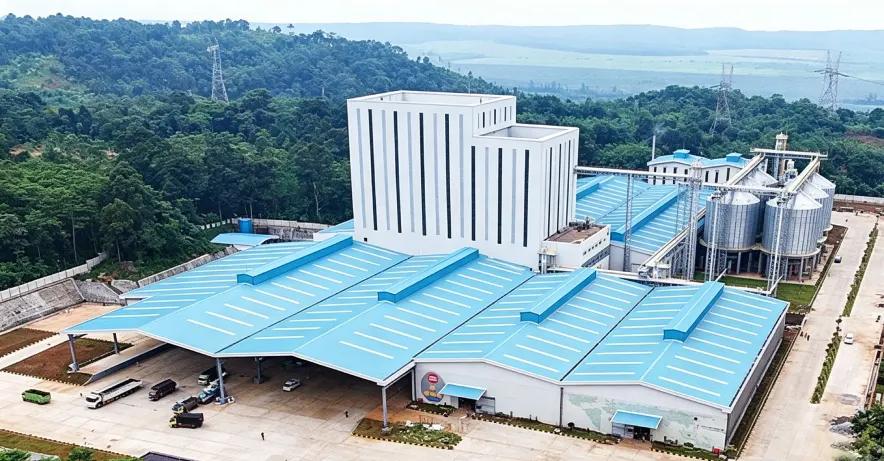
Poultry Feed Production Line
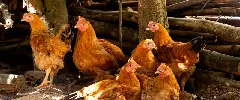
Designed for chickens, ducks, geese, and other poultry. Uses ring-die pelleting to process corn, soybean meal into 2–5 mm uniform pellets. A conditioner adds steam for better digestibility. Flexible capacity, with up to 7,200 hours annual runtime.
Cost: A 3–5 t/h line runs $50k–$120k; a 40–50 t/h large-scale line costs $2.5M–$5.8M.
Land use: 10 t/h requires ≥1,500 m²; large plants need 1–2 hectares.
Installation: Generally 20-90 days
Ruminant Feed Production Line
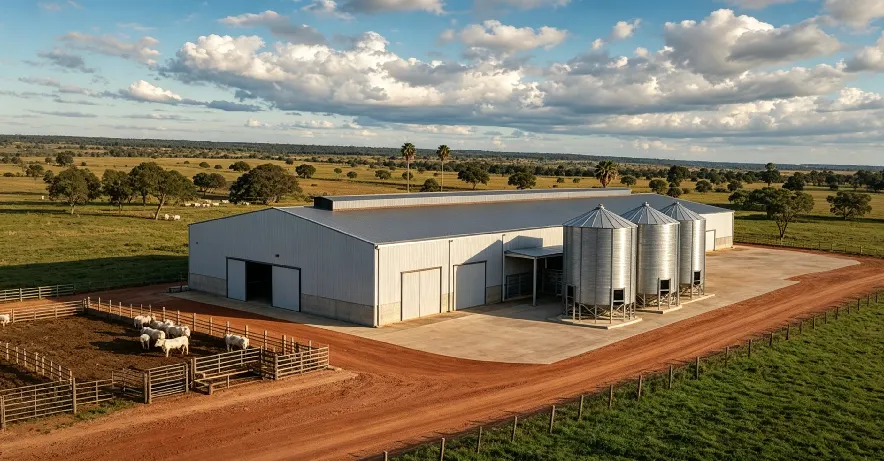
Built for cattle, sheep, and other ruminants. Handles hay, straw, alfalfa, and grains. A ribbon mixer suits varying bulk densities; a forced feeder tackles high-fiber materials. Optional steam conditioning softens fiber.
Cost: A 10–12 t/h line costs $620k; a large plant can reach several million USD.
Land use: 1–2 t/h needs ~80–150 m²; 10 t/h requires ≥1,500 m²; large plants need 1–2 hectares.
Installation: Generally 20-90 days
Floating Fish Feed Production Line
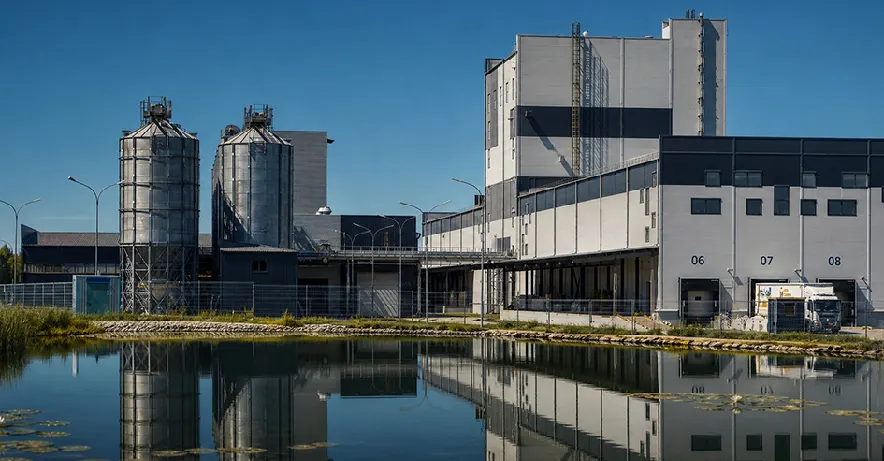
Uses extrusion to turn fishmeal, soybean meal, and starch into floating pellets. High temperature and pressure gelatinize starch and denature protein. Pellets stay afloat over 12 hours—ideal forsurface-dwelling fish.
Cost: A 4–5 t/h line runs $500k; small 100-150 kg/h lines start at tens of thousands.
Land use: 4–5 t/h recommends 2,000–5,000 m², with complete post-processing zones for drying, coating, and cooling.
Installation: Generally 10–90 days

Shrimp Feed Production Line
Shrimp feed demands ultrafine grinding (≥80 mesh), water stability ≥2 hours, and strong sinking ability. Uses micro-grinding, multi-layer conditioning, and post-curing. Compression ratio up to 1:20–1:25—lower output but higher margins.
Cost: A 2–4 t/h line costs $1M; 10+ t/h large lines reach $3M–$5M.
Land use: 2–4 t/h recommends 3,000–8,000 m²; 10+ t/h large plants need 1.5–3 hectares.
Installation: Generally 25–120 days

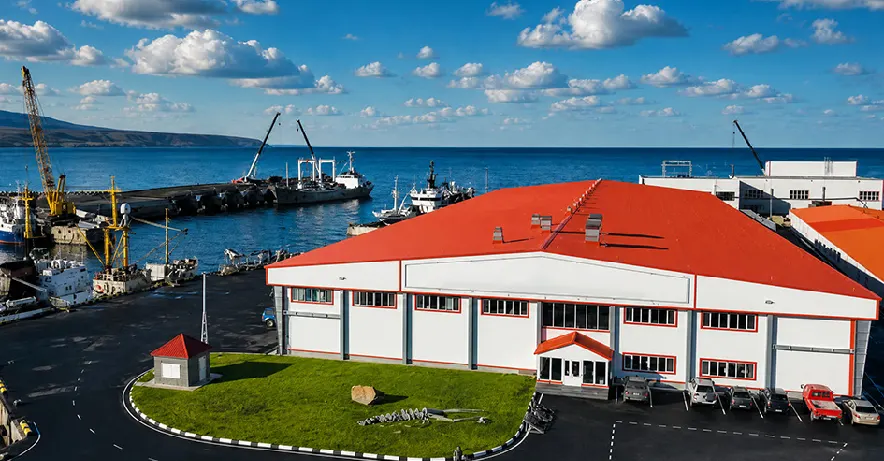
Pet Food Procuction Line
Employs twin-screw extrusion to process meat, grains, and vitamins into palatable kibbles. Adjustable expansion for varied hardness; vacuum coating adds fats and palatants. Long shelf life.
Cost: A 2.5–3 t/h line costs $1.1M; small 100–150 kg/h lines start from tens of thousands.
Land use: 2.5–3 t/h suggests 3,000–8,000 m², with dedicated cold storage for raw meat and finished product warehouse.
Installation: Generally 7–90 days

PREVIOUS
NEXT
Global Case Studies
We’ve shipped over 2,000 feed production lines to 131 countries—and each one has its own story. Want to know what actually happens after installation? Here’s the feedback that matters most to us.
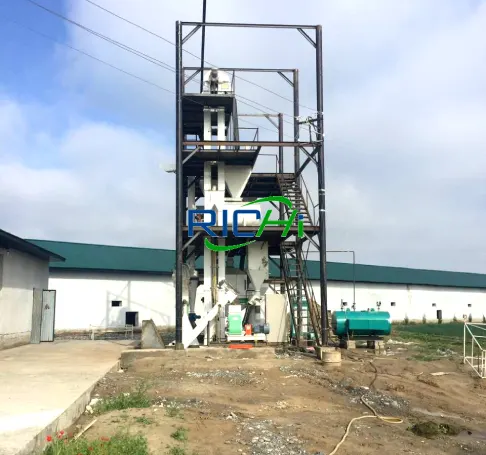
4T/H Dry & Wet Cat Food Full Production Line in Russia
We engineered this 4,000kg/h pet food factory for a Moscow meat processor — 3 integrated lines for extruded, baked & wet cat food. On-site layout planning blended their existing cookers with our extruders, handling local fresh meat to cut import costs amid Russia’s domestic pet feed boom.
Core Equipment: Twin-screw extruder
Annual Output: 30,000 tons
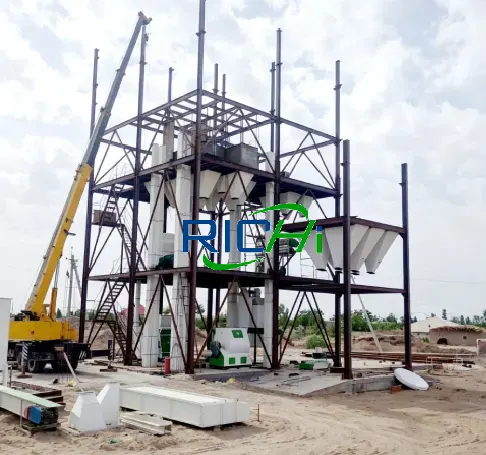
5T/H Custom animal feed machine for sale in Peru
Built for a local feed producer post-pandemic, this fully automatic 5t/h line runs corn, fishmeal & soybean. On-site tests proved 20–30% lower power use; flexible dies switch 1–4mm pellets for chicken, pig, cattle and small aquafeed batches easily.
Core Equipment: SZLH350 animal feed machine
Suggested Retail Price: US$230,000
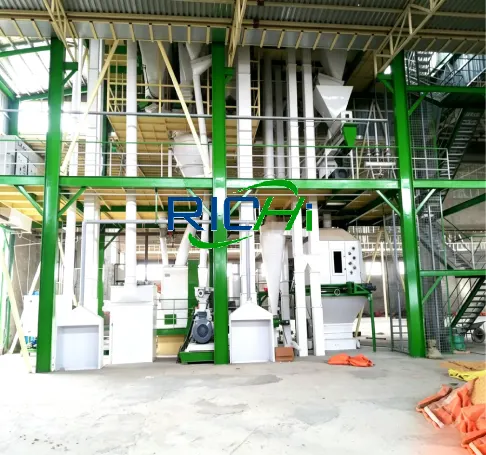
10–12T/H Sheep Ruminant Feed Pellet Factory in France
Whether it is animal feed pellets Our client’s old sheep feed mill failed after 8 years, right? We delivered a tailor-made 10–12t/h pellet line for corn, barley & beet pulp. Designed for 2-shift daily runs, this robust set targets a 15+ year service life on French livestock farms year-round.
Core Equipment: SZLH420 animal food machine
Control Mode: Semi-automatic
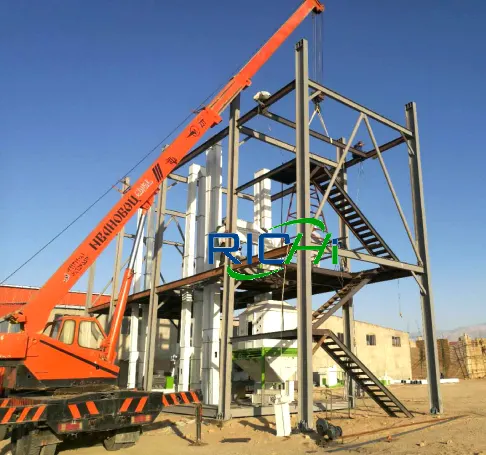
25T/H Dual-Line animal feed machine for sale in Côte d’Ivoire
This French-invested 120,000-ton annual plant holds two separate lines — one for poultry/swine, one for cattle & sheep. We mapped terraced factory layouts, fitted SZLH series pellet mills, and built full dust & waste treatment for steady tropical production.
Core Equipment: SZLH420×140
Installation Period: 150 days
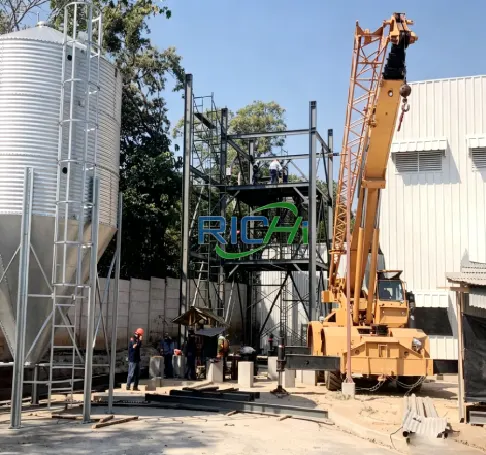
30T/H TMR Total Mixed Ration Feed Processing Plant In Canada
This large Canadian agricultural group needed TMR, silage & concentrate lines. Our full processing set covers all grain crushing, mixing & packing steps. Spacious site zoning reserves land for phase two, matching strict North American livestock feed production standards.
Core Equipment: TMR feed mixer
Control Mode: Fully automatic
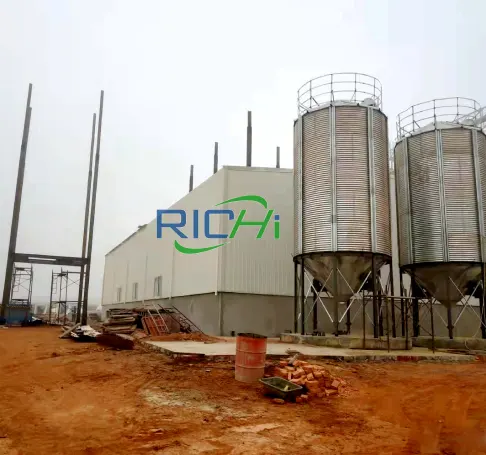
40–45T/H Integrated Poultry, Pig & Aqua Feed Factory in Thailand
Constructed for a Saraburi integrated farm group with massive breeding stock, this 5-line mill handles local tropical raw materials. Our twin-screw fish feed extruders pass local no-burn corn standards, helping the client cut third-party feed spending entirely.
Core Equipment: CPM3020-7 animal feed machine & TDSP150x2 twin-screw extruder
PREVIOUS
NEXT
Who are we?
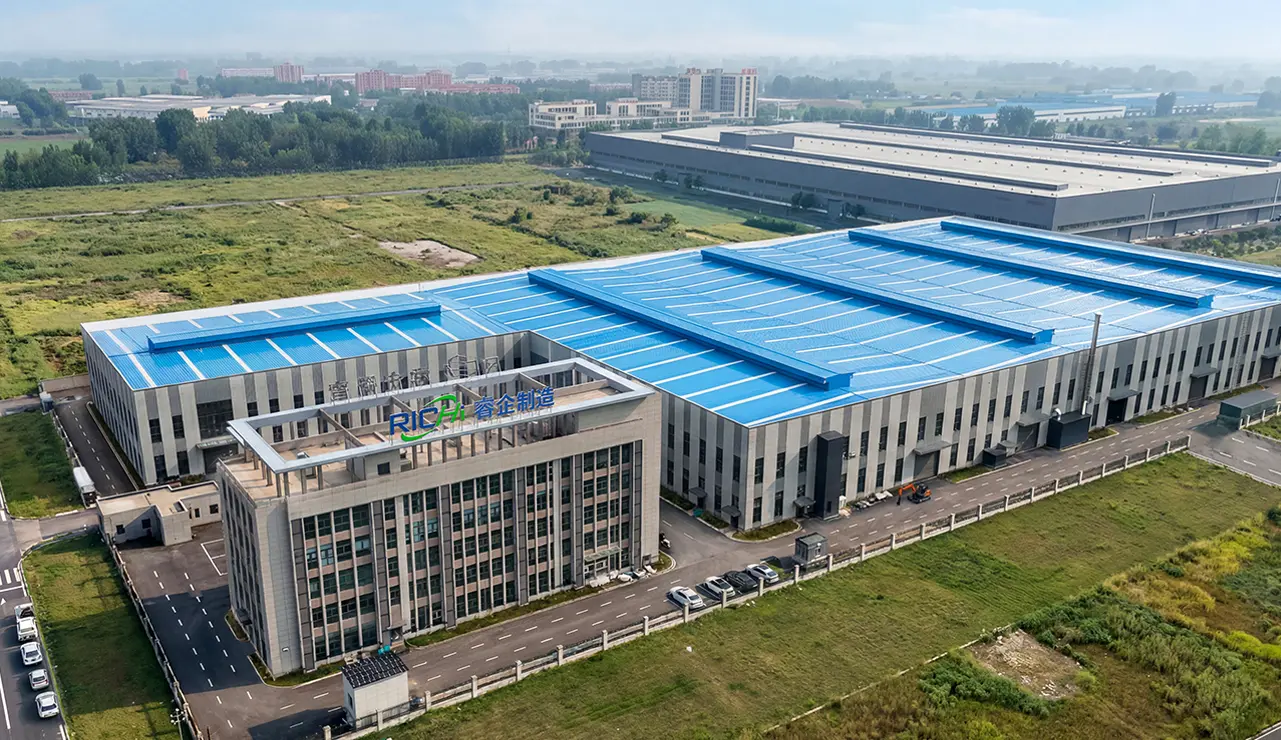
RICHI Manufacturer Co., Ltd., established in 1995, is a professional manufacturer integrating R&D, manufacturing, design and installation of complete sets of feed machinery engineering, complete sets of biomass pellet engineering, steel silo engineering and automation control.
Certifications & Honors
RICHI has obtained numerous international authoritative certifications, including CE, ISO9001, SGS, German TÜV, Russian RTN, and French BV, and holds 23 patents. The company has been recognized as a Henan Provincial High-Tech Enterprise, a Zhengzhou Municipal “Specialized, Refined, and Innovative” SME, and a member of the Henan Provincial International Trade E-commerce Association.
60,000㎡+
production base
23+
Patents obtained
30+
Years Of Experience
2000+
successful projects
Product System & Global Service
RICHI has developed a diverse and comprehensive product system, covering 15 major series and over 200 products, including feed pellet mills, wood pellet mills, organic fertilizer pellet mills, aquaculture extrusion extruders, and cat litter pellet mills. This system can comprehensively meet the needs of various feed production and biomass pellet processing.
Leveraging a comprehensive international marketing network, its products are sold in 131 countries and regions worldwide, with over 2000 projects implemented and annual exports exceeding 100 million RMB, serving customers globally.