Animal Feed Plant Cost
Planning a animal feed plant? The investment varies wildly—from a $15,000 startup line to a $3 million industrial facility. The real question isn’t how much; it’s what fits your operation. Here’s what we’ve learned from delivering over 200 turnkey feed projects across 131 countries.
Delivered Projects
200+ Cases
Service
Customize

Types of Animal Feed Plants
Before building an animal feed plant, you need to clearly define its positioning: what type of feed will it produce, and for which animals? You must also determine the feed form and target production capacity, as these factors will influence the plant’s layout and the selection of processing equipment.
The following are common ways animal feed plants are categorized in the market today:

By Feed Product Type
Complete feed plant: Makes full-price feed, from grinding to pelleting. The most common setup. One line, one finished product.
Concentrate plant: Produces concentrate—no energy ingredients like corn or wheat. Mixing is critical; pelletizing is optional.
Premix plant: Additives plus carrier. No pellet mill, no steam. Stainless steel contact parts are a must. Batching accuracy is everything.
By Animal Species
Poultry & livestock: Chickens, pigs, ducks. Standard ring die, 1–2 layer conditioner, 4-pole motor. Simple and cost-effective.
Aquatic: Fish and shrimp. Needs fine grinding—80–90 mesh for shrimp. 3-layer conditioner, higher compression ratio. Sometimes an extruder for floating feed.
Ruminant: Cattle, sheep. Grass or straw is mixed in. Forced feeder, arch-breaking bin, larger mixer.
By Product Form
Mash: Just grinding and mixing. No pellet mill, no cooler. Cheapest option.
Pellet: The standard. Ring die, conditioner, cooler, screener.
Crumble: Pellet first, then crumble. A crumbler is added after cooling. Good for young animals.
Extruded / floating: For aquatic feed. Extruder, dryer, vacuum coater. Highest cost, highest complexity.
By Plant Scale
Small: 1–2 t/h. Manual batching, simple control. Low investment, but labor-heavy.
Medium: 5–10 t/h. PLC batching, automatic packing. The sweet spot for most farms and local feed mills.
Large: 20–40 t/h. Full computer batching, silo systems, bulk loading. High automation, high steel structure cost.
Vedios Take You Into
animal feed production site
Welcome to view our operational animal feed production lines.
The projects showcased here feature production capacities ranging from 3 to 15 tons per hour, covering a variety of products such as feed for cattle, shrimp, fish, and poultry, as well as other types of livestock and poultry feed. Each project has different raw materials, site conditions and budgets. You can view the equipment layout, the whole pellet discharging process and daily production operations by operators.
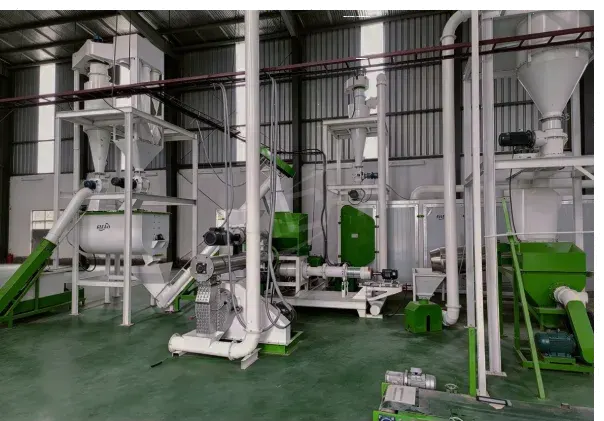

Bangladesh 1–2 t/h poultry feed
& 500 kg/h fish feed production line
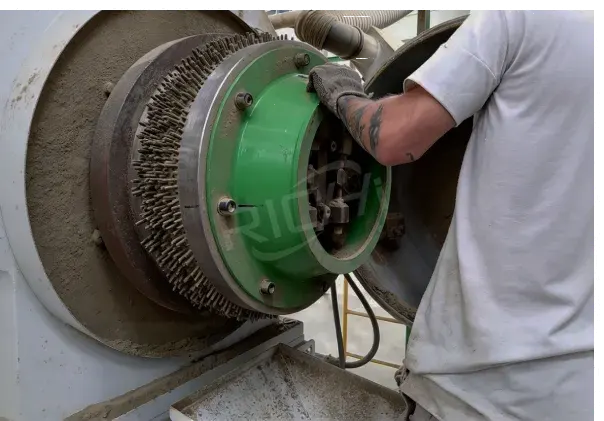
Argentina 3 t/h cattle feed production line
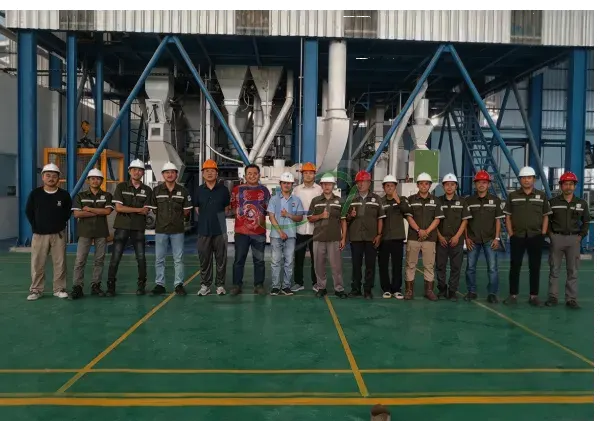
Indonesia shrimp feed plant
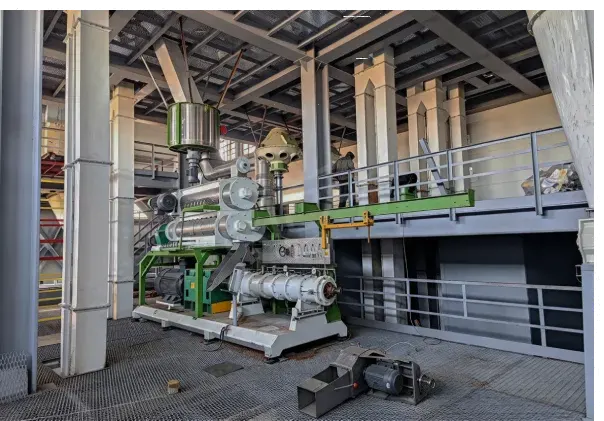
Russia 5–10 t/h fish feed line
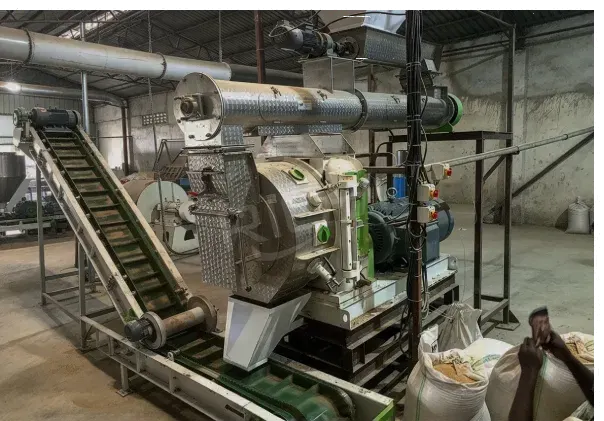
Uganda 15 t/h dairy & beef cattle feed plant
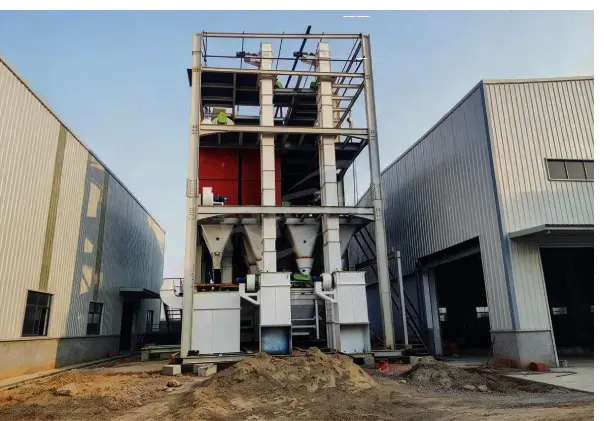
Oman 15 t/h livestock feed plant
Animal Feed Plant Cost in Real Projects
Numbers on paper are one thing. But what do these plants actually look like on the ground? Here are a few we’ve recently completed—from a 15-day horse feed line in India to a 70-day sheep feed mill in France. Our projects span capacities from 1–2 t/h up to 72 t/h, and they cover horses, dogs, pigs, ruminants, poultry, and livestock. We’ve handled alfalfa pellets in Mexico, dual-function pellet and mash in Zimbabwe, and fully automated turnkey lines in Oman. Every installation taught us something. Here’s what real projects look like.
These aren’t catalog photos—they’re real operating plants built for Indian equestrian clubs, Argentine grain cooperatives, Bolivian pig farms, and dairy operations in Mexico’s Bajio region. Every line was customized to local ingredients, local labor, and local feed preferences. The price tags vary, but the reliability doesn’t. See for yourself.
India 1–2 T/H Horse Animal Feed Plant Cost
Argentina 2.5–3 T/H Dog Food Processing Plant Cost
Bolivia 3–5 T/H Pig Animal Feed Plant Cost
Mexico 5 T/H Ruminant Feed Alfalfa Pellet Plant Cost
Zimbabwe 5–6 T/H Dual-Purpose Animal Pellet & Mash Feed Plant Cost
France 10-12 T/H Sheep Animal Feed Plant Cost
Venezuela 12-15T/H Poultry Animal Feed Plant Cost
Oman Customized 15T/H Turnkey Livestock Animal Feed Plant Cost
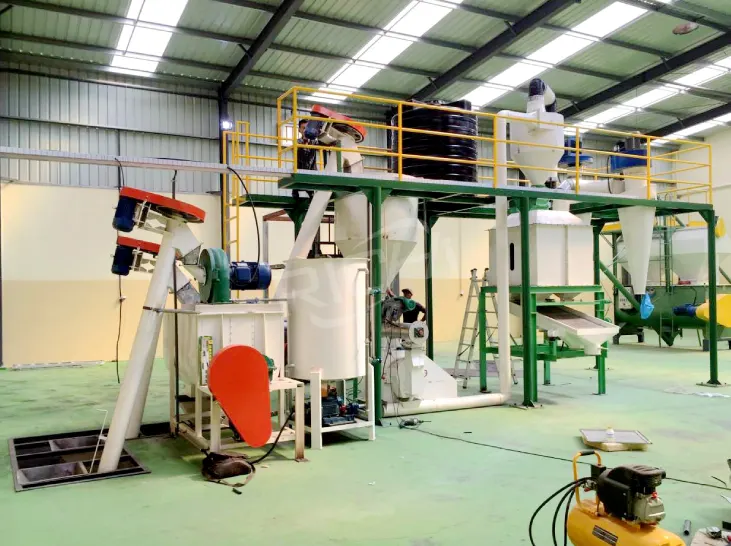
India 1–2 T/H Horse Animal Feed Plant Cost
This line was built for an Indian horse feed producer who needed to upgrade from rough processing to standardized, highly palatable pellets. Installation takes around 15 days, and it produces 4–10mm pellets. The local market is shifting from traditional experience-based production to industrial standards. Equestrian clubs and farms demand nutritionally consistent feed. Our key winning advantage is equipment flexibility: the same line can produce regular pellets or extruded feed according to horse breeds and application purposes.
- Date: August 6, 2024
- Animal Feed Plant Cost: $17,940
- Processed Feed: 4-10 mm horse feed pellet
- Raw Materials: Oats, alfalfa meal, corn meal, barley, soybean meal, wheat bran and mineral premixes
- Main Equipment:
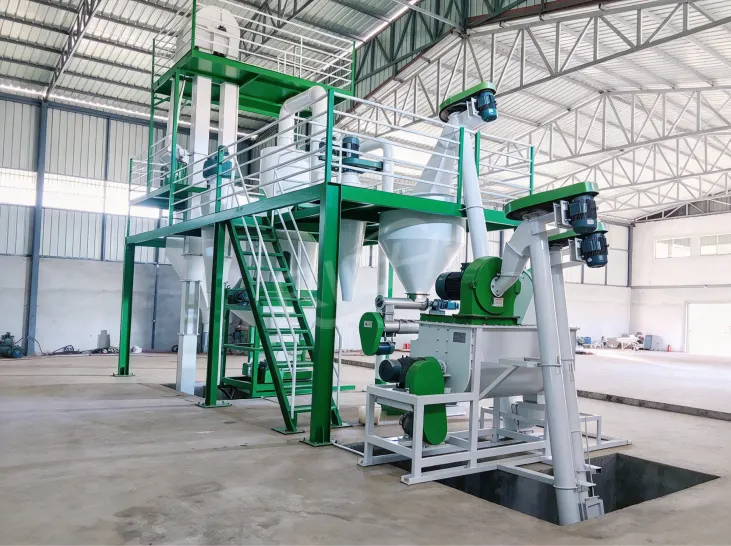
Argentina 2.5–3 T/H Dog Food Processing Plant Cost
A grain cooperative in Argentina expanded downstream into pet nutrition, no longer willing to be a price-taker in commodity markets. Local demand for premium dog food keeps rising, yet the market has long been dominated by imported brands. Our 2.5–3 t/h production line can manufacture dry kibble for adult dogs, puppies and veterinary diets. Equipment installation forms part of the overall project. Our strength lies in the integrated batching, extrusion, drying and coating system. The client pursues product freshness and cost advantages and is already planning expansion.
- Date: Oct 19, 2022
- Annual Output: 20,000 tons/year
- Processed Feed: Adult and puppy pellet feed
- Raw Materials: Corn, rice, meat meal, wheat, fish meal, fats and oils, soybean meal, premixes
- Main Equipment:
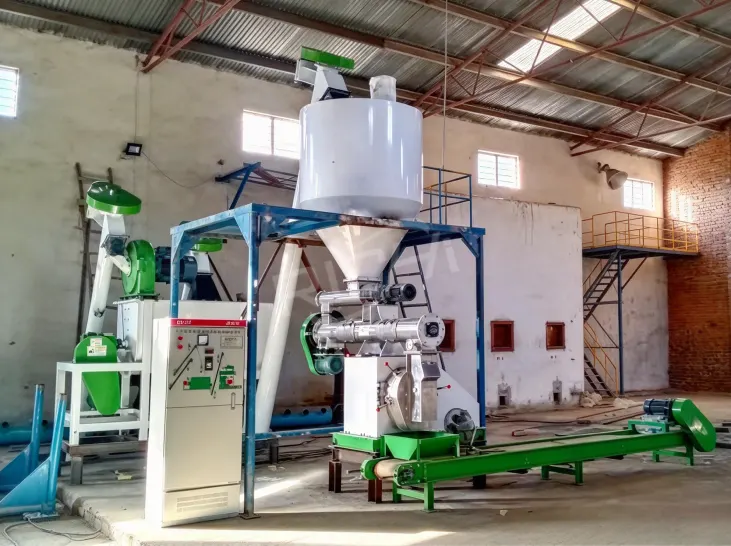
Bolivia 3–5 T/H Pig Animal Feed Plant Cost
A Bolivian pig farm with 8,000 head previously purchased expensive powdered feed and suffered poor feed conversion. The client wanted to take control of feed production. Installation takes around 50 days. This fully automatic line produces 2–5mm pellets. The local pig industry is moving toward intensive production. We won the project with a simplified extrusion route, which is cheaper and easier to maintain than twin-screw equipment. Client feedback: Payback is achieved in 18 months, cutting feed costs by approximately $80 per ton.
- Date: May 11, 2024
- Animal Feed Plant Cost: US$95,000
- Processed Feed: 2–5mm pig feed pellets
- Raw Materials: corn, wheat, sorghum, wheat bran, soybean meal, rapeseed meal, mineral sources and feed additives
- Main Equipment:
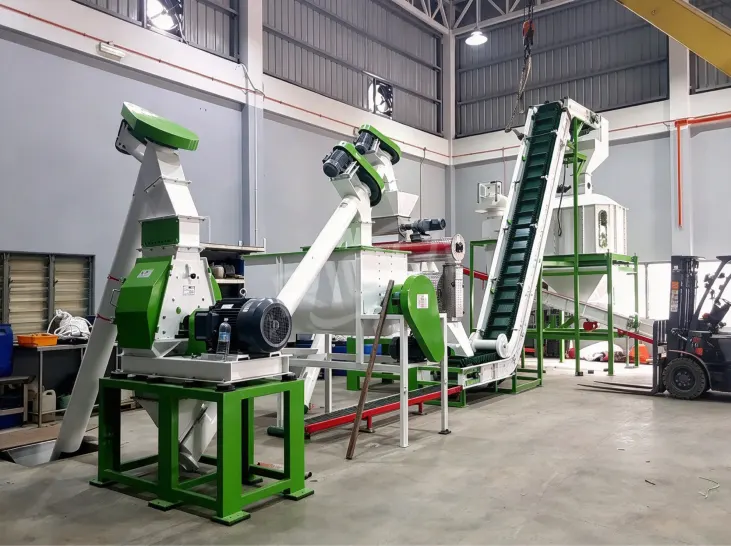
Mexico 5 T/H Ruminant Feed Alfalfa Pellet Plant Cost
A second-generation dairy farm in Mexico’s Bajio region required a stable forage supply. Fresh alfalfa comes with high transportation costs and is prone to spoilage. We installed a fully automatic line producing 8–10mm pellets within 30 days. Hundreds of farms are located in the local dairy belt, creating strong demand for consistent pelleted forage. Our advantages include customized plant layout, nutrition guidance, on-site Spanish training and remote monitoring services. Client feedback: “We now secure our own feed supply and sell surplus pellets to neighbouring farms.”
- Date: November 26, 2024
- Animal Feed Plant Cost: US$160,000
- Processed Feed: 8–10mm ruminant feed pellets
- Raw materials: 70% alfalfa hay, 20% corn stalks and husks from the farm, and 10% wheat bran and cottonseed meal purchased from nearby suppliers
- Main Equipment:
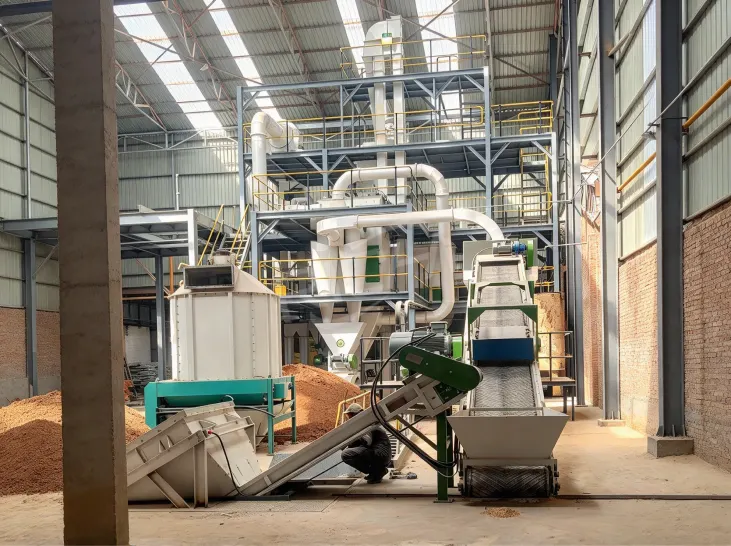
Zimbabwe 5–6 T/H Dual-Purpose Animal Pellet & Mash Feed Plant Cost
A Zimbabwean agribusiness needed one production line capable of making both pellets and mash. Poultry farmers prefer pellets while cattle producers favour mash. We installed this fully automatic line in 30 days, which can produce 3.5–6mm pellets or powdered feed. Feed demand grows as local farms professionalize. Our advantage is the dual-function design, requiring no major adjustments to switch production modes. Client feedback: Many suppliers can only offer one type of equipment, but RICHI customized the exact solution we wanted.
- Date: October 30, 2024
- Animal Feed Plant Cost: US$183,970
- Processed Feed: 3.5-6mm pellet and powder feed
- Raw materials: Maize, sunflower meal, wheat bran, cottonseed cake, limestone, fish meal, vitamin and mineral premixes
- Main Equipment:
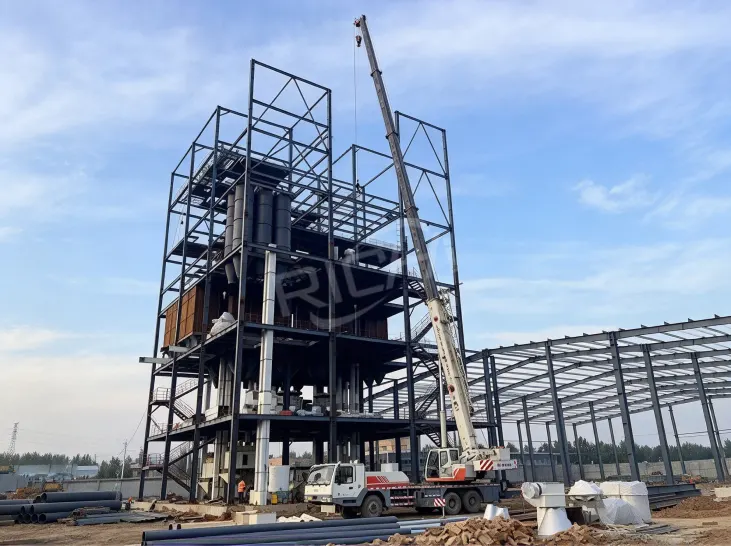
France 10-12 T/H Sheep Animal Feed Plant Cost
A French ruminant feed producer’s old line was breaking down after eight years, so they needed reliability. Installation runs about 70 days, and the product size is 4–6mm. The plant is semi-automatic and runs 30,000 tons per year for sheep feed. Local production is stable, but equipment uptime matters. We designed and built everything with a 15-year operating life target. The client wanted a long-term fix, not another patch.
- Date: November 17, 2023
- Animal Feed Plant Cost: US$320,000
- Processed Feed: 4–6mm sheep feed
- Raw materials: Corn, barley, sorghum and other biomass raw materials
- Main Equipment: 3 sets of feeding machines, 2 sets of SZLH420 feed pellet machines, F40 feed crusher, feed mixer, 1 t/h biomass boiler
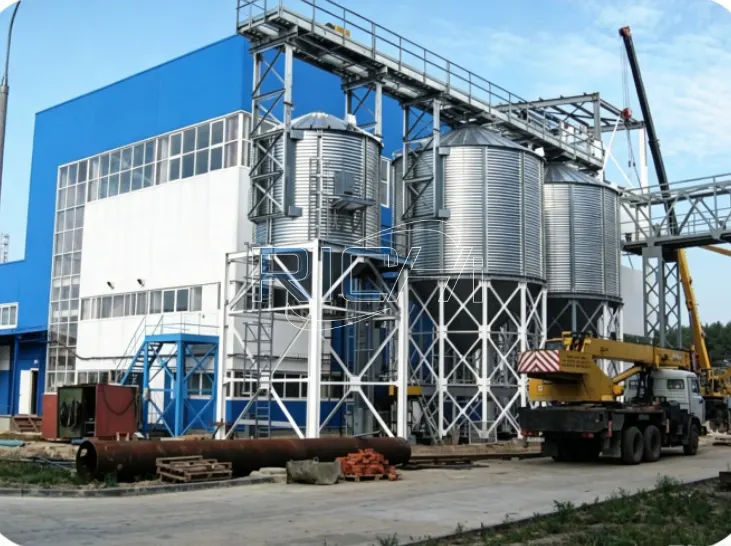
Venezuela 12-15T/H Poultry Animal Feed Plant Cost
A Venezuelan feed company had an aging layer premix line with low automation and old environmental controls, so they invested in a full transformation. Installation runs about 60 days, and the line makes 2–6mm pellets. It is semi-automatic. The goal is 100,000 tons of poultry pellets per year. Local livestock demand is growing, but feed costs and inflation pressure margins. We won with complete equipment renewal, process optimization, and emissions upgrades. The project cut labor from 60 to 30.
- Date: February 24, 2024
- Animal Feed Plant Cost: US$520,000
- Processed Feed: 2-6 mm Poultry and Livestock Feed
- Raw materials: Corn, Wheat, Soybean Meal, Peanut Meal, Peanut Powder, Corn Powder, Multivitamins, Animal Oil Mix
- Main Equipment:
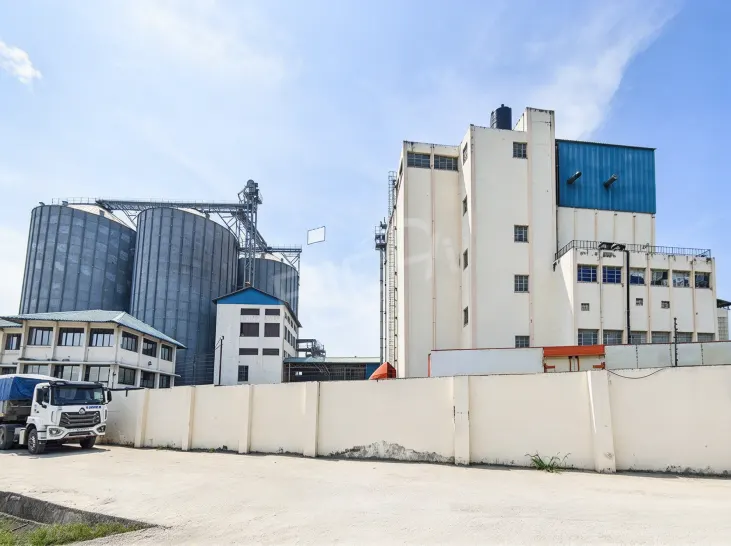
Oman Customized 15T/H Turnkey Livestock Animal Feed Plant Cost
An Omani investor wanted to cut reliance on imported feed because local livestock—goats, sheep, and cattle—needs better nutrition. Installation is customized to the site, and the line produces 3–8mm feed. It is automatic. The plant is turnkey, with capacity pre-reserved for doubling. We won on full automation, local labor adaptability, and remote diagnostics.
- Date: January 25, 2022
- Animal Feed Plant Cost: US$790,000
- Processed Feed: 3–8mm feed pellets for goats, sheep and cattle
- Raw materials: Corn, wheat, soybean meal, wheat bran, rice husk, molasses, mineral and vitamin premix, date palm residues, alfalfa pellets
- Main Equipment:
how much does an animal feed plant cost
Here’s a quick reference table we use in daily production discussions. Numbers are indicative—your actual quote depends on raw materials, automation level, and site conditions.
Note: “Production cycle” here means the time from confirmed design to ready-to-ship. Installation period starts once equipment lands on site.
| Capacity (t/h) | Total Power (kW) | Production Cycle | Installation Period | Investment Range (USD) |
| 1–2 | 80–120 | 20–25 days | 30–45 days | 10,000–50,000 |
| 3–4 | 150–200 | 25–30 days | 45–60 days | 50,000–120,000 |
| 5–7 | 250–350 | 30–40 days | 60–75 days | 70,000–250,000 |
| 8–10 | 400–550 | 40–50 days | 75–90 days | 150,000–300,000 |
| 12–20 | 700–900 | 50–60 days | 90–120 days | 250,000–580,000 |
| 25–40 | 1,200–1,600 | 60–75 days | 120–150 days | 450,000–850,000 |
Various designs are available for each production capacity, including basic, low-end, standard, high-end, fully automatic, semi-automatic, PLC, etc. Custom designs can be made according to customer needs and budget.
What Makes Up the Cost?
How can you estimate the animal feed plant cost? The process involves various aspects such as land, civil engineering, permits and approvals, utility infrastructure, and working capital.
Below, we have summarized the key expenses to consider—insights gathered from discussions with experienced feed plant builders.
Clarifying these factors will likely give you a better understanding of the costs involved in the project.

Main Equipment
Land purchase or lease, site leveling, fencing, roads, drainage. Then the buildings—production workshop, raw material warehouse, finished product warehouse, office, lab, power distribution room, boiler room, fire protection. This is where clients often underestimate.
Steel Structures & Platforms
The core line—cleaning, grinding, batching, mixing, pelletizing, cooling, screening, packing. Plus dust collection, conveyors, electrical control. Don’t forget freight, installation, commissioning, and piping. In our experience, this is the biggest chunk.
Electrical & Control Systems
Feasibility study, environmental impact assessment, safety assessment, soil and water conservation, planning, construction drawings. Then business registration, project approval, feed production license, drawing review, supervision, testing.
Steam System
Transformer, cables, water supply, wastewater treatment, fire system, ventilation, lighting, security monitoring, heating. These aren’t optional. On a local farm, we’ve seen a line stop just because the transformer wasn’t sized right.
Installation & Commissioning
Raw material purchase (corn, soybean meal, bran), packaging, wages, fuel, transport, maintenance reserve. This is for trial production and early turnover. You can’t just count fixed assets.
Civil Works
Trial production losses, spare parts, training, insurance, site contingencies. Engineering changes, price hikes, unexpected rectification, plus freight, permits, labor. Usually a percentage of total investment—budget 10–20%, or more if the site needs deep pits.
Why Costs Differ So Much
· Same capacity, different price—why?
Raw Material: Pulverizing corn is easy. Grinding high-fiber grass or shrimp feed? That needs a bigger hammer mill, more power, and thicker screens.
Automation Level: Manual batching vs. PLC weighing vs. full computer batching. The gap can be 2–3x.
Pellet Quality Requirements: Shrimp feed needs 3-layer conditioners and ring die compression ratio of 1:20–1:24. Poultry feed? 1:3.5–1:13 is fine.
Site Constraints: No pits allowed? We use Z-type bucket elevators and cooling belts. That changes the steel structure and layout.
Local Fabrication vs. Import: Some clients want everything from China. Others source bins locally. Both work—but lead times and quality control differ.
Key Equipment in Animal Feed Plant
Equipment selection affects animal feed manufacturing plant cost, feed quality and machine uptime. RICHI offers the following animal feed equipment. Each machine serves a specific function, and trade-offs should be considered based on actual conditions when purchasing. Before procurement, match the equipment to your formula, capacity and site conditions. If you are not familiar with this, feel free to consult us.
Rotary
grading sieve
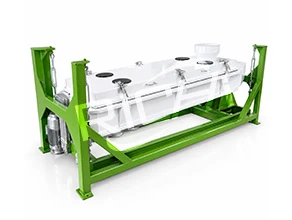
Separates oversize, fines, and good pellets. Two or three decks; the middle cut is usually the product.
Animal Feed Plant Equipment Cost: $2,000–10,000
Water-drop
hammer mill
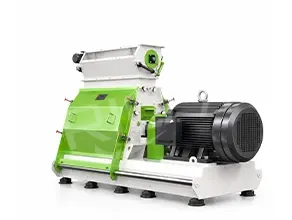
The workhorse for grain grinding. The water-drop chamber breaks the circulation layer. Screens and hammers are wear parts.
Animal Feed Production Plant Equipment Cost: $3,000–45,000
Ultrafine
pulverizer

For shrimp, eel, pet food, and high-end aqua feed. Can grind to 80–200 mesh. Higher cost, higher power.
Animal Feed Plant Equipment Cost: $10,000–100,000
Ribbon mixer
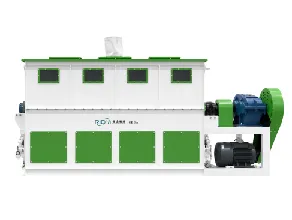
Good for mash and high-fiber mixes with big density differences. Mixing time 3–5 minutes. Single-shaft paddle mixer is faster, but ribbon is more forgiving.
Animal Feed Plant Equipment Cost: $2,800–36,500
Rotary
drum dryer
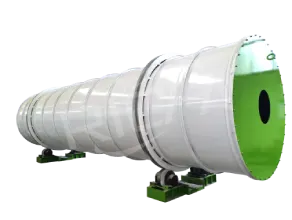
For high-moisture raw material or aqua feed. Not for standard dry animal feed pellets. Temperature control is critical—too hot, you get case hardening.
Animal Feed Plant Equipment Cost: $15,000–110,000
Animal Feed
Pellet mill
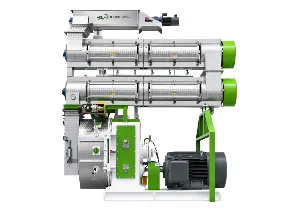
Ring die plus rollers. Compression ratio decides hardness. Poultry 1:8–12.5, fish 1:14–16, shrimp 1:20–25. Stainless die for feed, alloy steel for biomass.
Animal Feed Plant Equipment Cost: $7,000–100,000
Animal Feed
Extruder
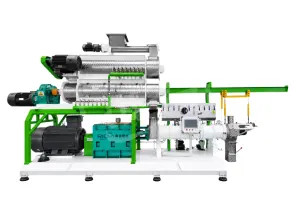
Single-screw is cheaper, lower oil tolerance; twin-screw handles high oil/high meat and makes better floating/sinking aqua feed. Not a pellet mill—different process.
Animal Feed Processing Plant Equipment Cost: $12,000–65,000
Pellet cooler
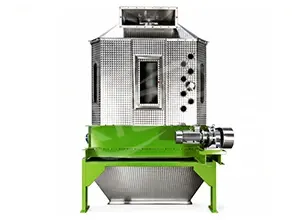
Counterflow cooler brings pellets to room temperature +3–5°C. Airflow and retention time matter. Don’t rush it.
Animal Feed Plant Equipment Cost: $4,000–20,000
Z-type
bucket elevator
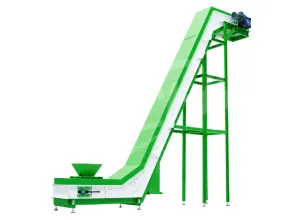
Low headroom, no deep pit, multi-point feeding/discharging. Popular where building height is limited.
Animal Feed Plant Equipment Cost: $1,200–8,000
Vacuum coater
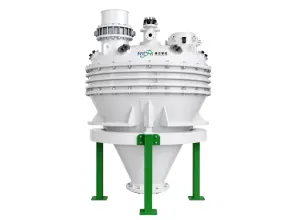
After drying, pulls vacuum and adds oil or heat-sensitive liquid. Can push total oil higher than simple drum coating. For high-fat aqua/pet feed.
Animal Feed Plant Equipment Cost: $20,000–80,000
Automatic
bagging machine
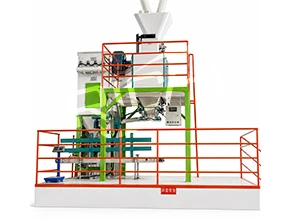
10–50 kg bags, 2–12 bags/min depending on type. Powder uses screw feeder; pellets use gravity or belt feeder. Stainless for pre-mix.
Animal Feed Mill Equipment Cost: $1,200–19,500
Feed silo
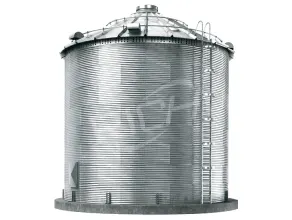
Stores raw material or finished feed. Steel silo with level indicators, air cannon, and discharge gate. Silos are often excluded from equipment quotes.
Animal Feed Plant Equipment Cost: $1,000–15,000
Launch Your Custom Animal Feed Plant
Learn more about our turnkey service offerings. Tell us about your specific situation.
01.
What feed would you like to produce?
Poultry Feed
Livestock Feed
Aquafeed
Pet Food
02.
What are your raw materials?
Main raw materials:
Corn, soybean meal, wheat bran, rice bran, etc.
Auxiliary materials & additives:
Premix, amino acids, mineral elements, vitamins, etc.
03.
What capacity do you require? Specifically, how many tons per hour?
We offer options ranging from 0.5 tons to several dozen tons, or even up to hundreds of tons.
Who are we?
RICHI Manufacturer Co., Ltd., established in 1995, is a professional manufacturer integrating R&D, manufacturing, design and installation of complete sets of feed machinery engineering, complete sets of biomass pellet engineering, steel silo engineering and automation control.
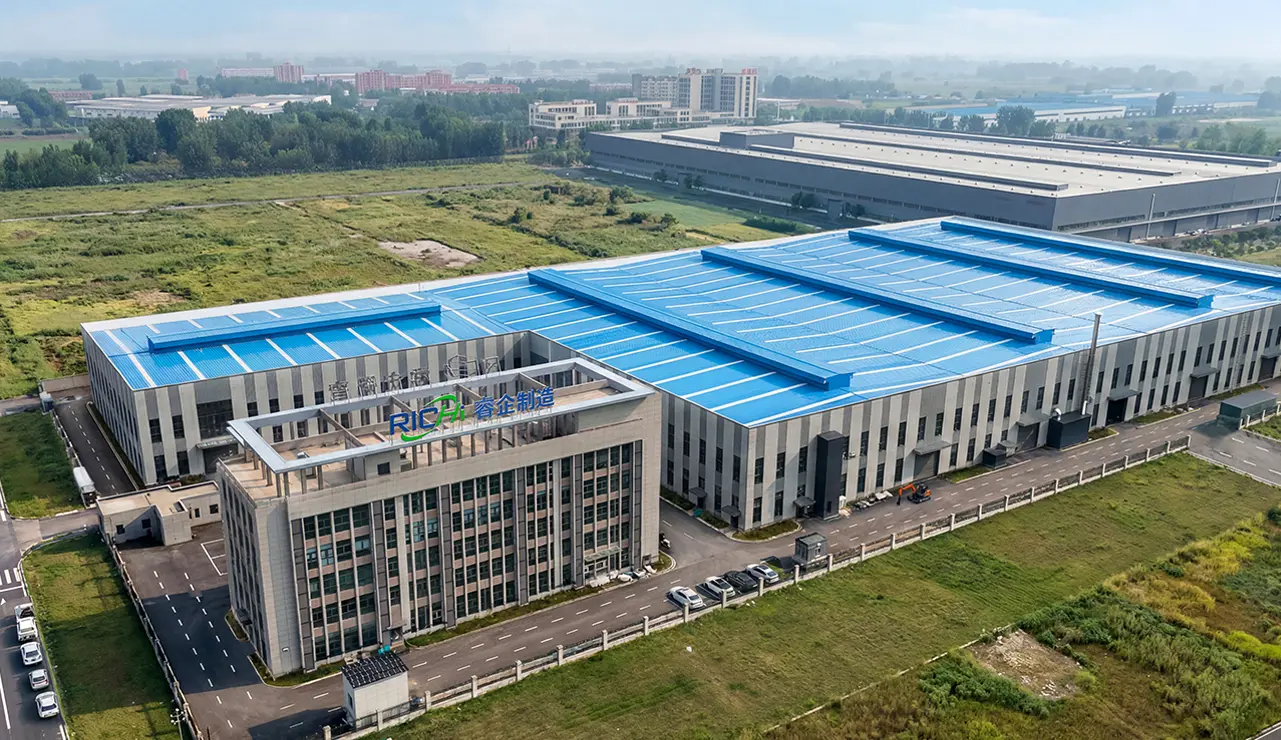
Certifications & Honors
RICHI has obtained numerous international authoritative certifications, including CE, ISO9001, SGS, German TÜV, Russian RTN, and French BV, and holds 23 patents. The company has been recognized as a Henan Provincial High-Tech Enterprise, a Zhengzhou Municipal “Specialized, Refined, and Innovative” SME, and a member of the Henan Provincial International Trade E-commerce Association.
60,000㎡+
production base
23+
Patents obtained
30+
Years Of Experience
2000+
successful projects
Product System & Global Service
RICHI has developed a diverse and comprehensive product system, covering 15 major series and over 200 products, including feed pellet mills, wood pellet mills, organic fertilizer pellet mills, aquaculture extrusion extruders, and cat litter pellet mills. This system can comprehensively meet the needs of various feed production and biomass pellet processing.
Leveraging a comprehensive international marketing network, its products are sold in 131 countries and regions worldwide, with over 2000 projects implemented and annual exports exceeding 100 million RMB, serving customers globally.