biomass pellet machine

Multi‑Purpose biomass Pellet Machine
Not all biomass is the same—and neither is our approach. Sawdust is dense; straw is fibrous; husks are abrasive. We’ve built our machines to handle each one. Here’s what we process, and how we make it work.
PREVIOUS
NEXT

biomass pelletizer Models
We offer two main series: MZLH for wood chips, EFB and other materials. CZLH for crop and grass materials. Same reliability, different configurations. Here are four models that cover most production needs.
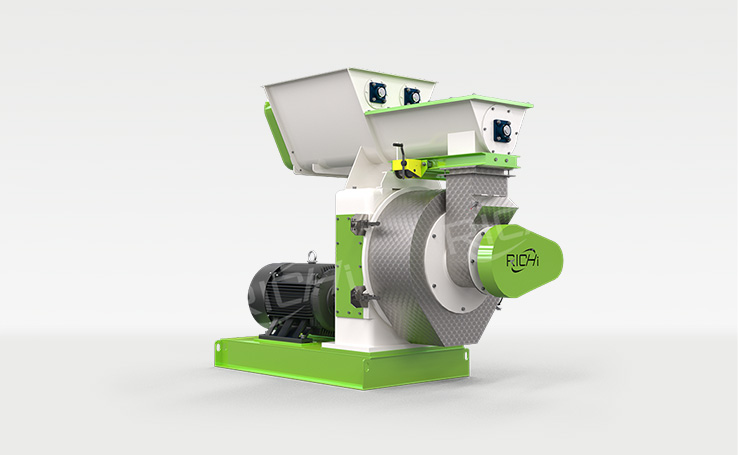
Biomass Combustion Pellet Machine
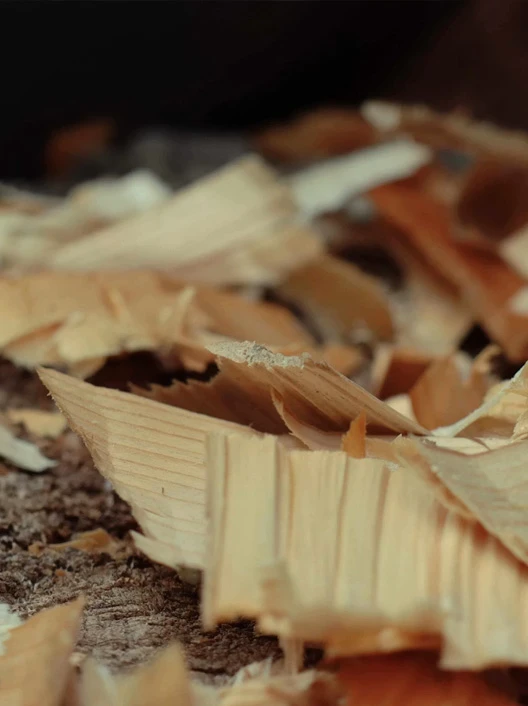
Built for sawdust, shavings, and offcuts. Heavy-duty gearbox, big-torque slow-speed rotor—think 8‑pole motor, not 4‑pole. In daily production, this means less wear, fewer die jams. We’ve seen 2.5 t/h on 520 model with 15% moisture birch. No steam needed; just dry, grind, pellet.
Price: 70,000-100,000 USD
| Model | MZLH320 | MZLH350 | MZLH420 | MZLH520 | MZLH678 | MZLH768 |
| Main Motor Power(kw) | 22 | 37 | 90 | 132 | 200 | 250 |
| Ring Die Inner Diameter(mm) | 320 | 350 | 420 | 520 | 673 | 762 |
| Output(T/H) | 0.2-0.3 | 0.3-0.5 | 1.0-1.2 | 1.5-2.0 | 2.5-3.0 | 3.0-4.0 |
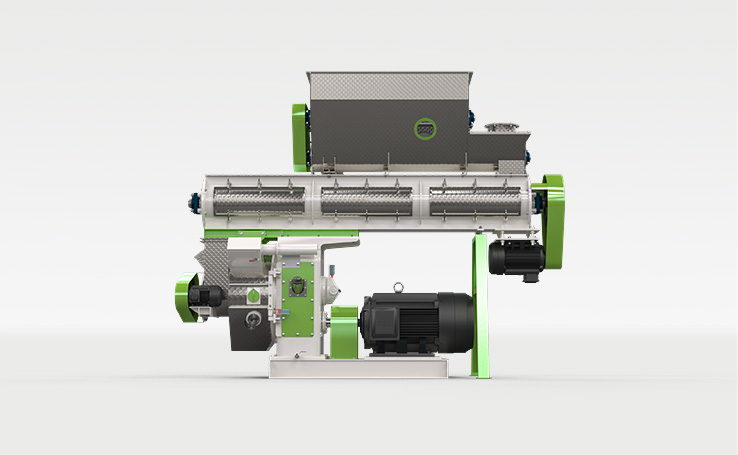
Biomass Feed Pellet Machine
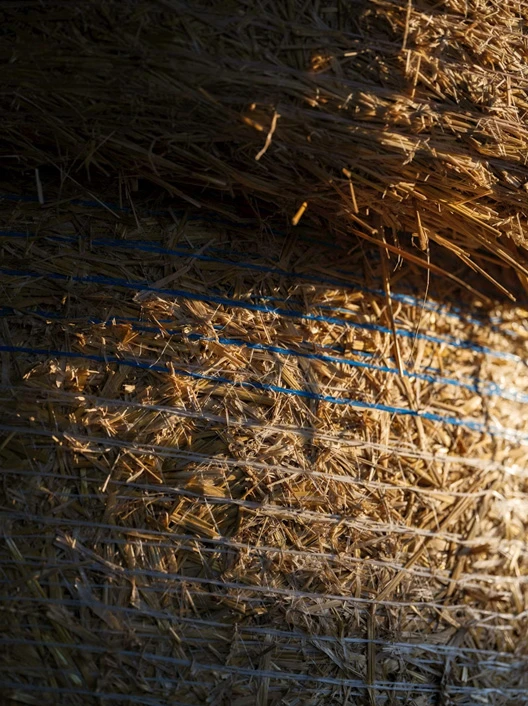
Straw, alfalfa, husk—fibrous and light. CZLH adds a forced feeder and anti‑bridging hopper to keep flow steady. For cattle feed, add a steam conditioner to soften fibre. On farms, our 520 model easily makes 3 t/h (8mm) with wheat straw at 14%—more than wood at equal power.
Price: 70,000-100,000 USD
| Model | CZLH320 | CZLH350 | CZLH420 | CZLH520 | CZLH678 | CZLH768 |
| Main Motor Power(kw) | 22 | 37 | 90 | 132 | 200 | 250 |
| Ring Die Inner Diameter(mm) | 320 | 350 | 420 | 520 | 673 | 762 |
| Output(T/H) | 0.5-0.6 | 1.0-1.2 | 1.8-2.0 | 2.8-3.0 | 4.0-5.0 | 6.0-8.0 |
Core Components – Built to Last
A biomass pellet making machine lives or dies by its components. Here’s what we’ve learned matters most—and why our customers keep coming back for replacements.
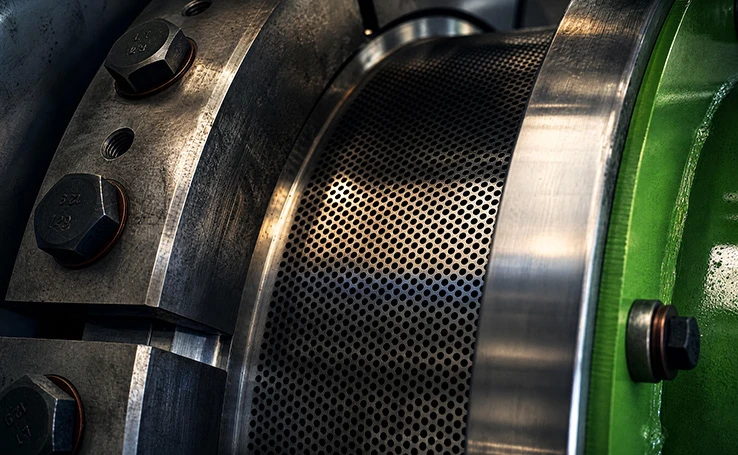
Ring Die & Roller
The heart of the pellet mill. For wood, we suggest a 1:6 to 1:12 ratio—higher than that, and you risk blocking. Daily production shows that a 42CrMo alloy die dramatically outlasts standard steel. Pair it with a properly gapped roller (an A4 paper test works perfectly) to maximize output and avoid costly metal fatigue.
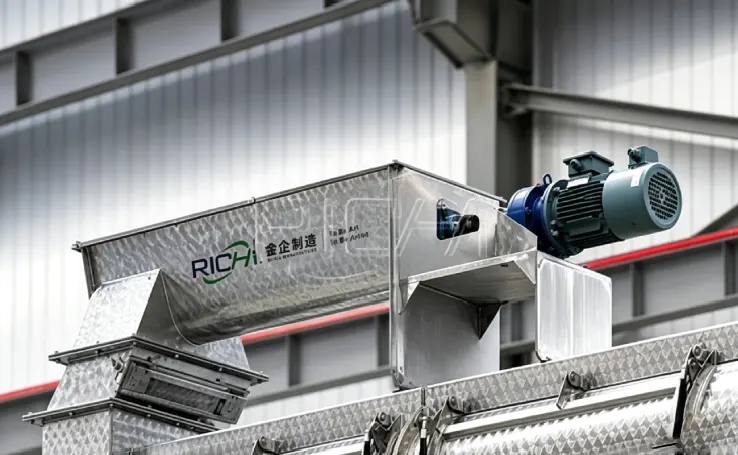
Force Feeder
This unit solves a common headache: bridging. Unlike standard feed, biomass (especially wood and straw) is light and fibrous. It just won’t flow on its own. Our horizontal force feeder uses a screw to cram material directly into the die. We’ve seen clients double their output just by adding this.
Anti-Bridging Feeder
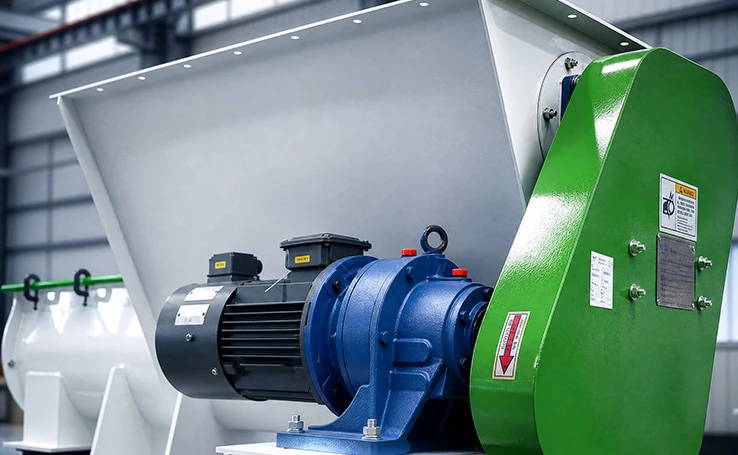
Ever watched material just sit there, refusing to drop? That’s bridging. Our anti-bridging feeder sits on top of the main inlet. It features two counter-rotating shafts with paddles that actively break up clumps. We installed this on a site dealing with damp sawdust—the difference was night and day. It ensures a consistent, even flow into the mill.
Main motor
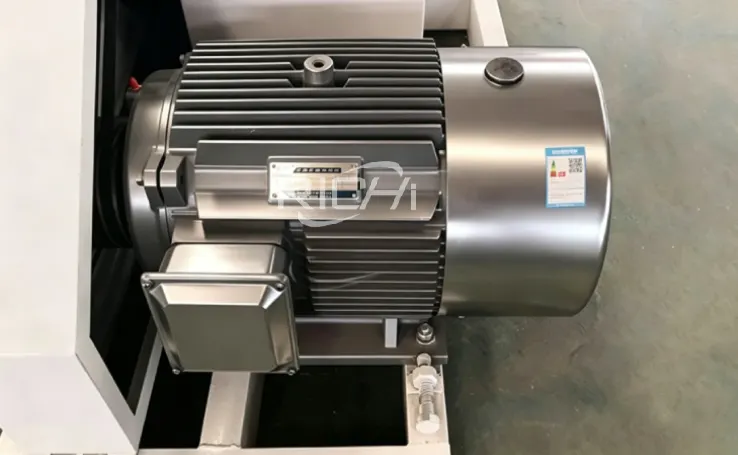
For biomass, we strongly recommend an 8-pole motor (around 750 RPM). Why? It delivers high torque at low speed—exactly what you need to push dense material through the die without stalling. In our experience, a 4-pole motor (high speed) will struggle and overheat. We typically spec a Siemens motor for reliability.
Our video showcase
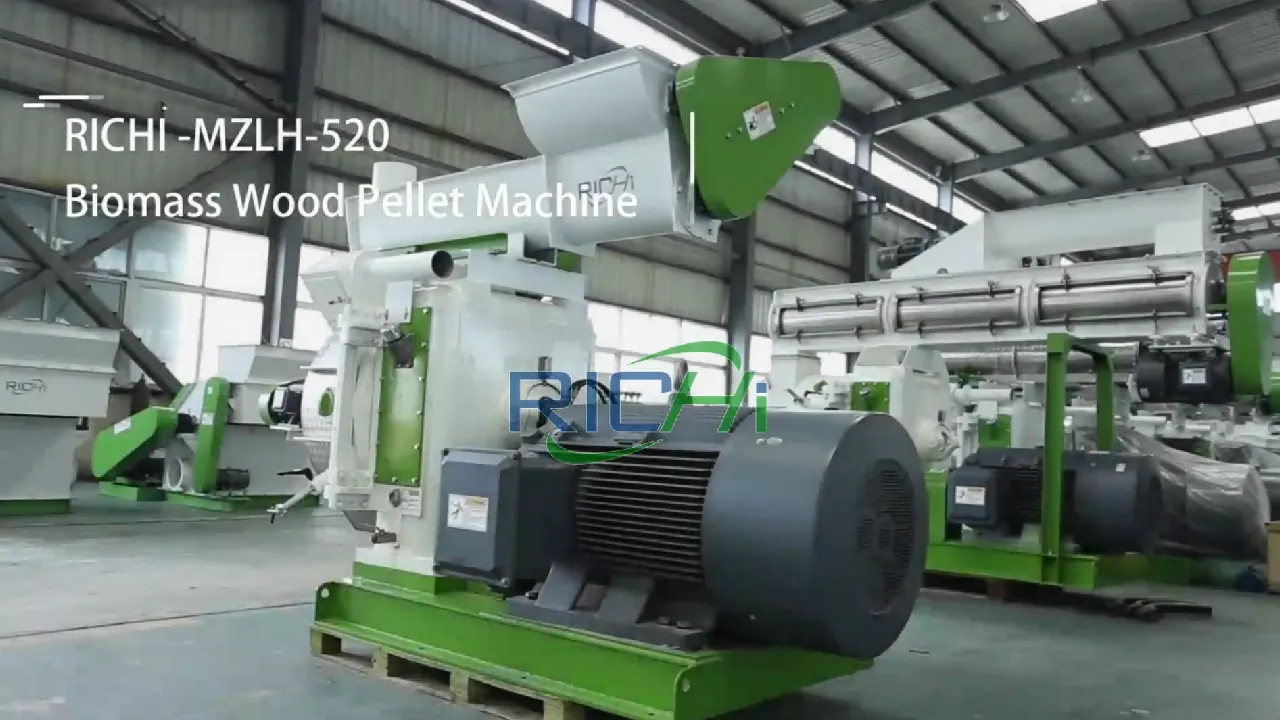
There videos below display parts of MZLH520 pellet mill, trial running scenes and the complete biomass pellet production flow. Hopefully, this will give you a more intuitive understanding of biomass pellet production.

MZLH520 Biomass Pellet Mill Component Showcase
If you need clear close-ups of biomass pellet machine parts, this video shows core components of MZLH520 combustion pellet machine, including force feeder, stainless steel pelletizing chamber, SIEMENS motor and safety assembly, highlighting durable materials and reliable pelleting performance.
Biomass pellet mill trial operation
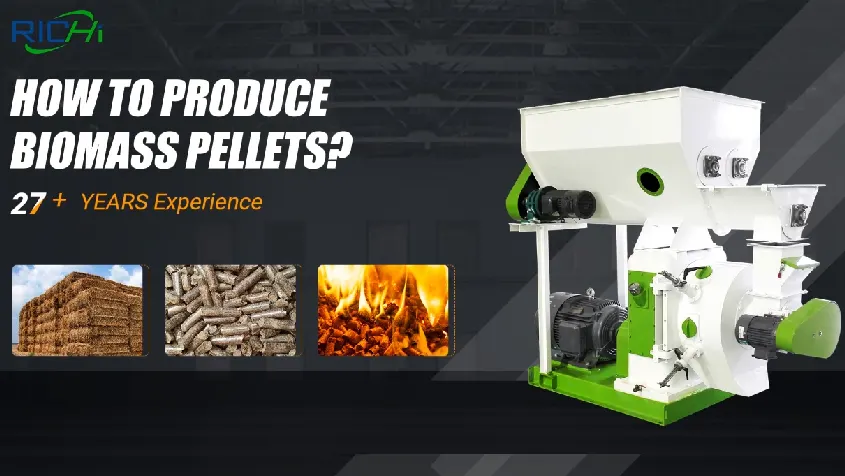
This video fully shows the operation of RICHI biomass pellet maker. Our machine processes wood scraps, straw, waste lumber and other agro-forest waste, supporting customized 6–12mm pellet sizes with intuitive visual control cabinets. Finished pellets can be used as stable biomass fuel or processed into feed for ruminants through a blending process.
The Full Biomass Pellet Production Process
This video fully illustrates the whole production workflow of biomass pellets, covering raw material storage, chipping, grinding, drying, pelleting, cooling and finished product delivery, plus key operation notes like moisture control. Contact us if you’re interested, and we’ll customize a suitable biomass pellet mill solution based on your raw materials.
Wide Application Scenarios of Biomass Pellet Machine
Biomass pellet machine manufacturers aren’t just for pellet plants. They’re for anyone sitting on waste that could become resources. Sawmills, farms, power stations, even governments—if you have biomass, we can help. Contact us for a biomass pellet machine price.
Wood Processing Plants
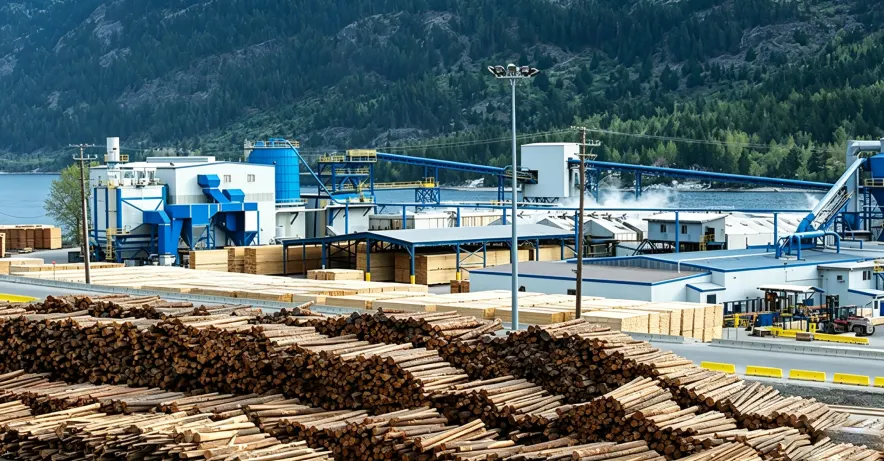
Sawmills and furniture factories produce mountains of sawdust and shavings—often paying to dispose of it. A biomass wood pellet machine turns that cost into profit. Dry it, pelletize it, sell it. In Europe and North America, we’ve seen wood processors add six figures to their bottom line with a mid-sized line, turning waste disposal into an extra revenue stream.
Farms & Agricultural Operations
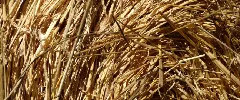
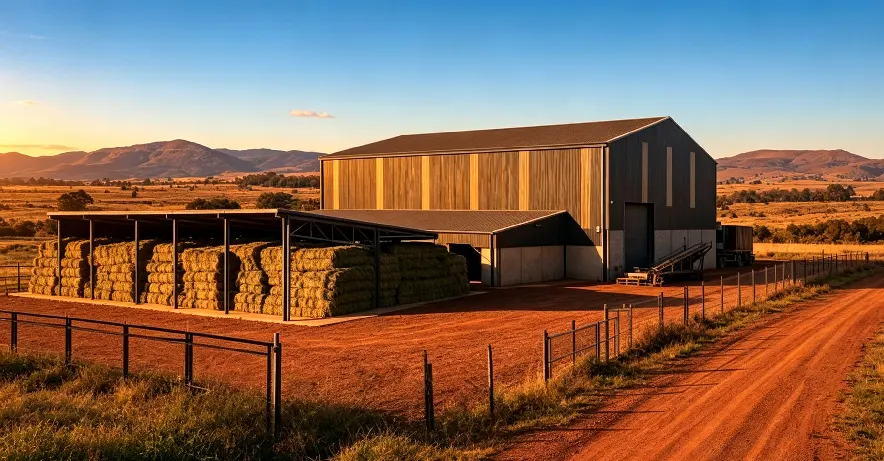
Corn stalks, wheat straw, rice husks—they pile up after every harvest, often burned in the field. A biomass pellet machine line gives farmers an alternative: fuel for greenhouses, animal bedding pellets, or a sellable product. We’ve installed systems on family farms across Asia and Africa that now run their own heating from their own waste—turning residues into real value.
Power Plants & Industrial Boilers
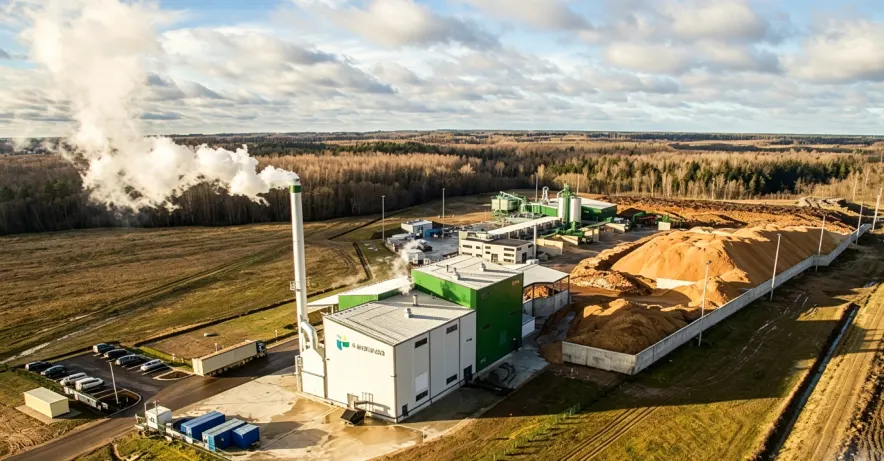
Biomass pellets are increasingly replacing coal in power generation and industrial heating worldwide. Large-scale plants need consistent, high-volume supply—and that means reliable biomass pelletizer equipment. Our 508 and 678 series machines run 24/7, processing wood chips, EFB, and agricultural residues into spec-grade fuel for utilities and heavy industry, year after year.

Municipal & Government Projects
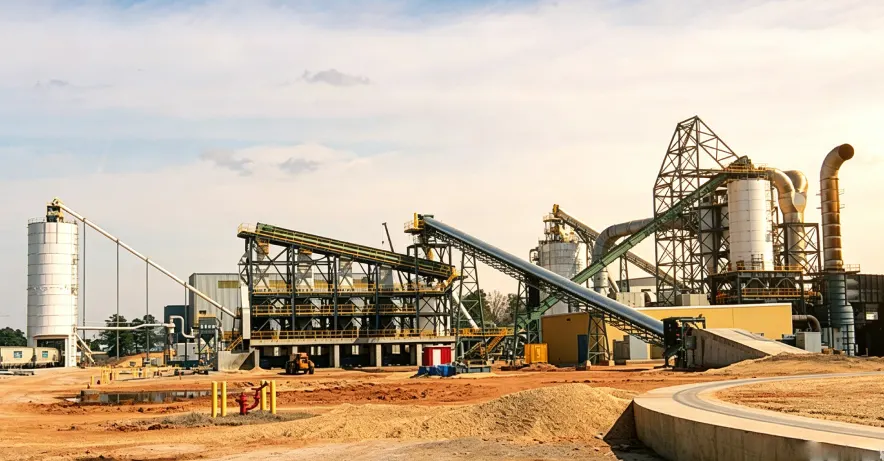
Cities struggle with organic waste—yard trimmings, food processing residues, even RDF. Biomass pelletizing offers a clean solution: cut landfill volume, generate renewable energy, meet sustainability targets. We’ve partnered with municipal projects across Europe and Southeast Asia, processing diverse feedstocks into consistent fuel pellets for district heating and power generation.

PREVIOUS
NEXT
Auxiliary Equipment – The Complete System
Behind every great biomass pelletizer is a team of supporting equipment. RICHI manufactures everything you need—from wood chipper that process logs to conveying equipment that moves material efficiently. Here’s what completes the picture.
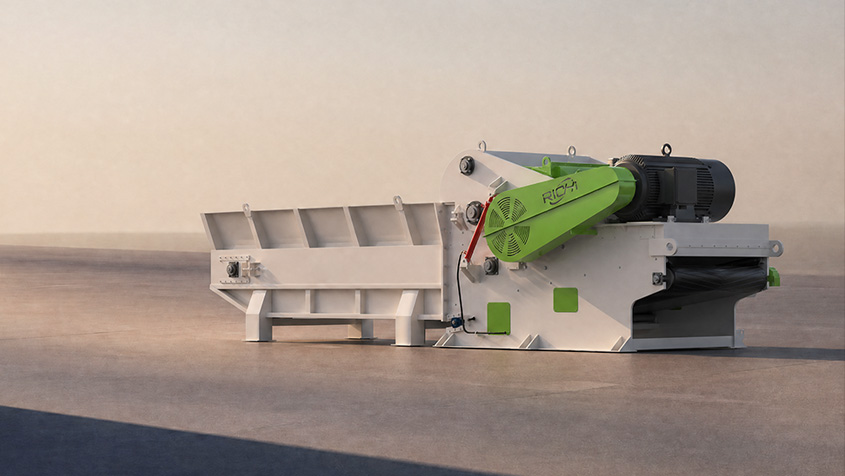
Wood Chipper
Large logs and branches won’t fit in a hammer mill. The chipper reduces them to 20–40mm wood chips—the right size for grinding. We offer drum chippers from 75KW to 200KW, handling logs up to 600mm diameter. In the field, we’ve seen chippers turn a truckload of logging waste into usable feedstock in under an hour.
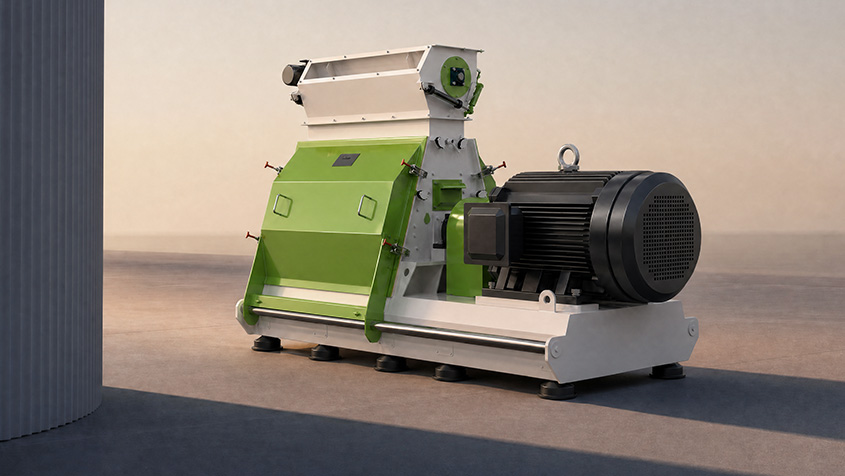
Hammer Mill
The hammer mill pulverizes chips and coarse materials to 3–5mm powder—the ideal particle size for pelletizing. For biomass, we use thicker screens (5mm) and tungsten-carbide-coated hammers to handle abrasive feedstocks. In daily production, proper grinding is the difference between smooth pelletizing and constant die blockages.
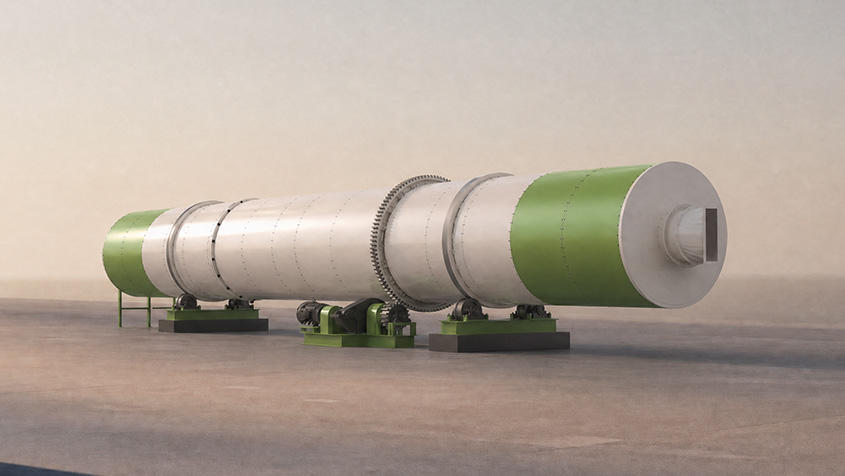
Rotary Dryer
Biomass moisture needs to be 10–15% for optimal pelletizing. The rotary dryer brings wet materials (50%+ moisture) down to spec. Three-cylinder designs are common—they’re more efficient and take up less space. On-site, we’ve seen dryers turn soggy sawdust into consistent, pellet-ready material that keeps production running smoothly.
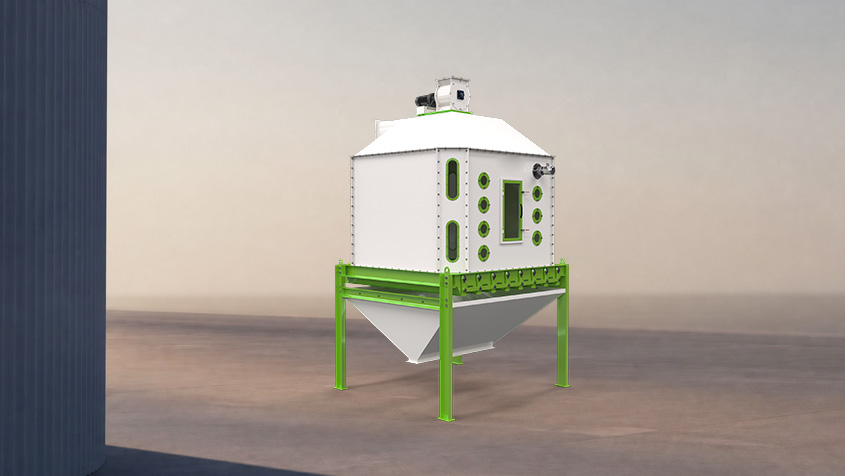
Pellet Cooler
Pellets come out of the mill at 80–90°C—too hot to bag. The counter-flow cooler brings them to ambient temperature, preventing moisture condensation and mold growth. In our experience, skipping proper cooling is the fastest way to ruin a batch of pellets. We recommend cooling times of 6–15 minutes for most biomass pellets.
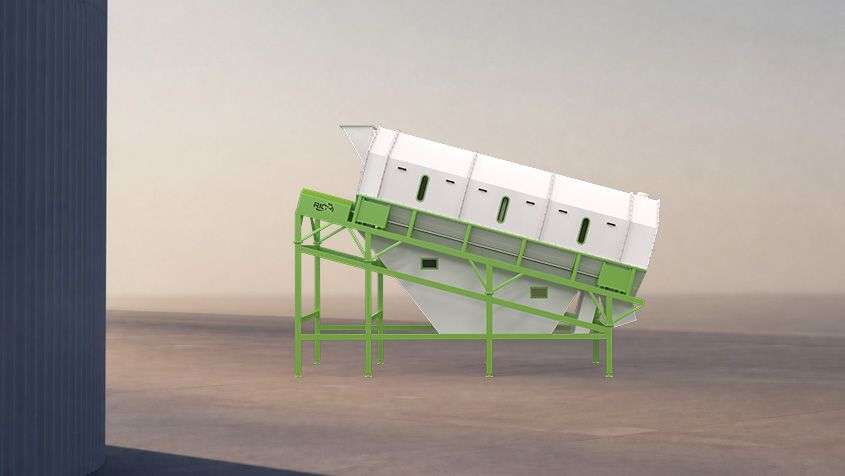
Vibrating Screener
Fines and broken pellets reduce product quality and can cause dust issues during combustion. The vibrating screener separates them from finished pellets. Fines get recycled back to the mill. In daily production, this simple step can improve your product grade and customer satisfaction significantly.
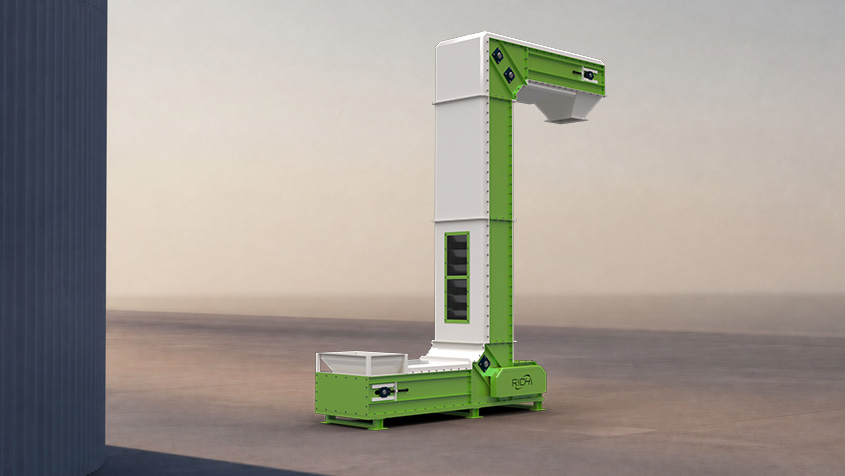
Conveying Equipment
We offer bucket elevators (vertical, up to 70m), screw conveyors (U-type for fluffy materials), and belt conveyors. The key? Minimize degradation. In our experience, the right conveyor setup reduces pellet breakage by 15–20% compared to poor handling systems.
PREVIOUS
NEXT
Real Case Details
From sawmills in Bangladesh to alfalfa mills in Mexico, RICHI biomass pellet equipment is turning waste into energy worldwide. Over 2,000 projects across 131 countries—each one proving that renewable resource starts with the right machine.
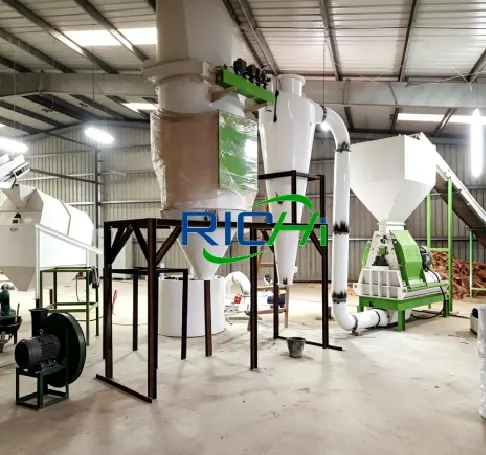
5T/H Sunflower Meal biomass pellet machine for sale In Russia
This tailor-made 5t/h line serves a Russian integrated farm group — it processes self-produced sunflower meal, skipping mixing & packaging for on-farm feeding. Optimized for high-fiber raw materials, the SZLH350 mill lifts livestock feed intake by over 30% in daily breeding work.
Control Mode: Fully Automatic
Installation Time: 30 days
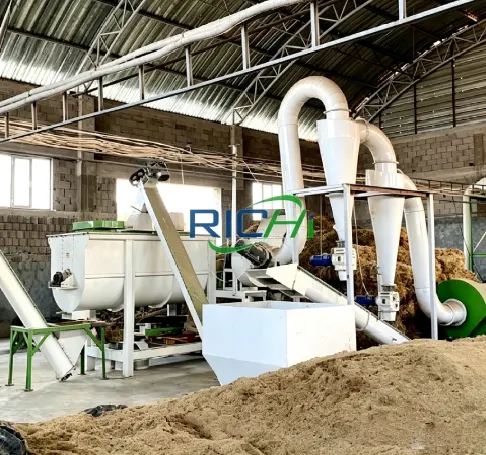
7–8T/H Sawdust Biomass Pellet Line for Sawmill Cooperative in Chile
Built for 40 local sawmill owners in Biobío, our 7–8t/h system turns radiata pine waste into commercial heating pellets. All dust is recycled back into production; on-site performance tests hit 7.5 tons hourly, fully complying with Chile’s strict emission rules.
Pellet Size: 6mm and 8mm
Annual Output: 20,000 tons per year
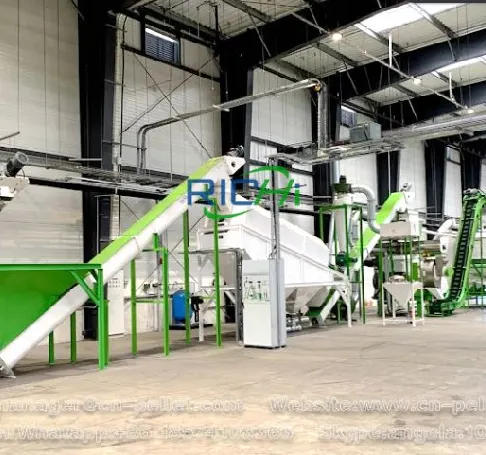
10T/H alfalfa biomass pellet machine for sale in Mexico
We delivered this 10t/h full alfalfa pellet plant to a Mexican agricultural exporter, targeting Middle East & Asian livestock markets. Twin CZLH678 pellet machines with wear-resistant dies produce high-durability pellets that pass all international export standards.
Pellet Size: 8-10mm
Suggested Retail Price: US$370,000
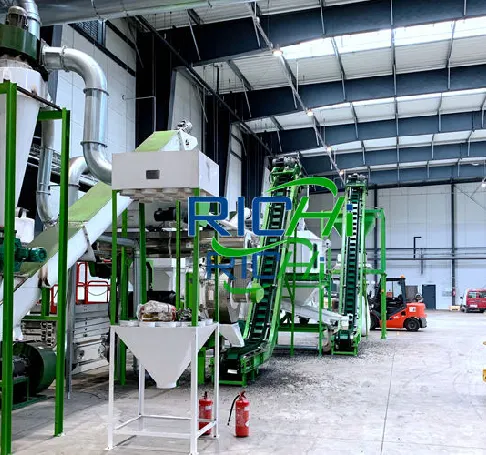
10–12T/H Fully Automatic Hemp Grass Cattle Feed Mill in USA
This 10–15 ton per hour grass pellet plant was customized for a large US cattle ranch, using hemp, alfalfa and ryegrass as raw materials. Closed crushing & screening systems cut dust drastically; full PLC automation eases stable daily 8-hour shifts on local farms.
Pellet Size: 4-8mm
Installation Time: 40 days
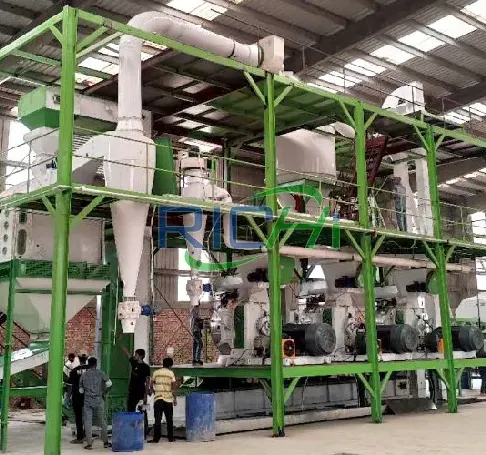
15T/H Crop Straw Fuel Pellet Production Line in Uganda
Uganda has abundant crop residues—and a serious field-burning problem. This 15 T/H plant processes corn and rice straw into eco-friendly biofuel pellets. The dual-fuel hot air stove reuses waste heat; simple dry granulation cuts extra binder costs for year-round rural production.
Control Mode: Semi-Automatic
Suggested Retail Price: US$360,000
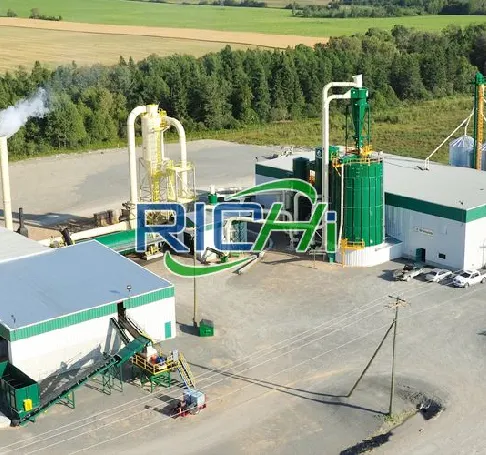
20–24T/H Dual-Line Sawdust Biomass Pellet Factory in Bangladesh
Two parallel 10–12t/h pellet mills form this large Bangladeshi plant, built to process mixed wood & agro residues in humid tropical weather. Complete drying & dust removal setups deliver export-grade pellets for domestic boilers and overseas renewable buyers.
Pellet Size: 6-8mm
Installation Time: 50 days
PREVIOUS
NEXT
Multi-series Biomass pellet machine for sale
From wood shavings to straw, peanut shells to waste paper – even old tires. We’ve spent over 25 years building pellet mills that actually handle real-world feedstock. Not just lab-perfect conditions. Daily production. On-site tests. Local farms and fuel depots across 130+ countries. Here’s what our lineup can do for your operation.
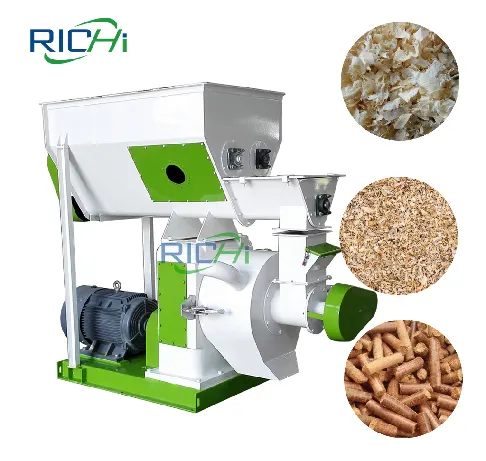
MZLH Series
wood pellet Mill
Our MZLH uses a 42CrMo ring die – tougher than stainless for abrasive wood. 8‑pole motor gives low RPM, high torque. Anti‑bridge feeder keeps material moving. No steam needed. 0.2–4 t/h.
Price: $15k–$85k
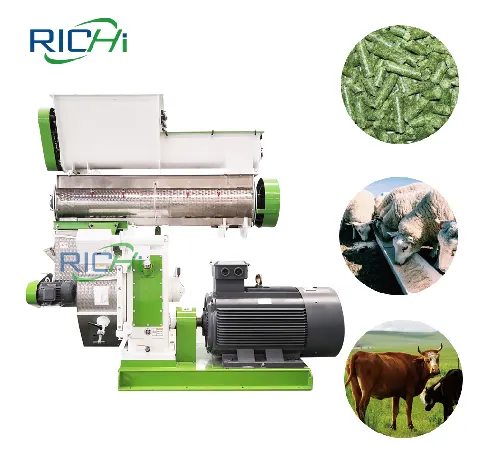
CZLH Series
Grass Pellet Mill
CZLH series with a forced‑feed mechanism – it actually pulls fibrous material in. Arc‑shaped plow prevents wrapping. Wider crushing chamber boosts throughput. Pure grass: 0.5–10 t/h.
Price: $10k–$90k depending on size.
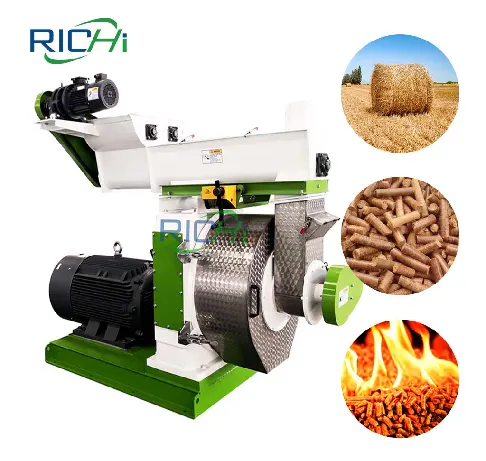
MZLH Series
Straw Pellet Mill
Same MZLH platform, but with adjustable die gap to handle straw’s spring‑back. Paired with a pre‑chopper for long stalks. Runs 0.7–5 t/h on rice straw. Heavy‑duty bearings withstand shock loads.
Price: $10k–$100k.
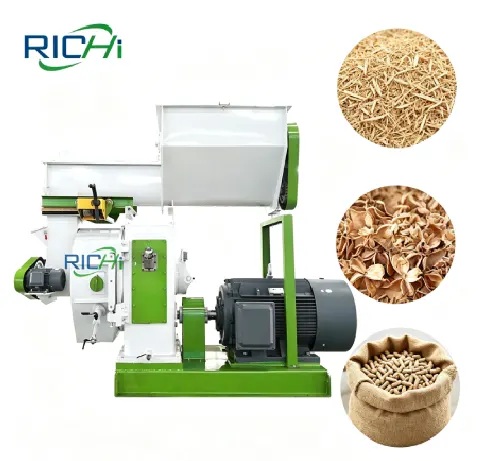
MZLH Series
Husk Pellet machine
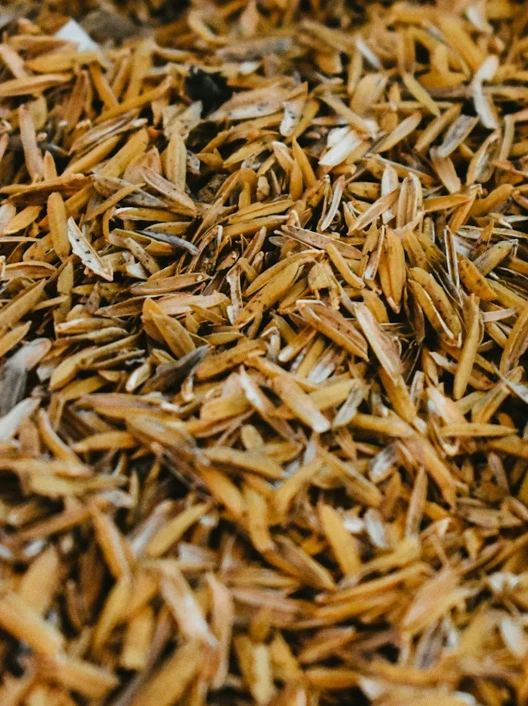
High compression ratio (1:5.5 for husks) – our 42CrMo die is carburized deep to resist cracking. Rollers with extra grip. 0.3–4.5 t/h per unit. Add a magnet to protect the die.
Price: $7k–$100k.
MZLH Series
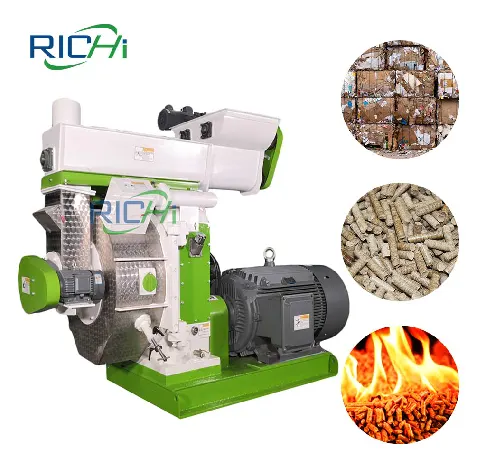
paper pellet mill
No lignin to bind – so we engineered a die with higher friction and slower RPM. Fibers interlock properly. Forced feeder handles fluffy shreds. 0.3–5 t/h. Great for cat litter or fuel.
Price: $7k–$100k.
MZLH Series
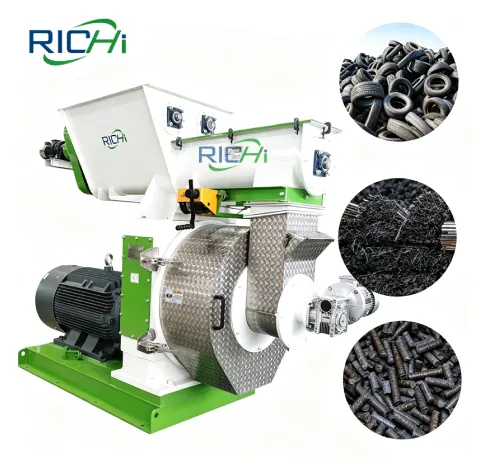
Waste Tire Pellet Mill
Heavy‑duty MZLH with reinforced rollers and a specialised die. Paired with a twin‑shaft shredder (9‑alloy blades, 0.5‑1 mm gap). Handles 1–2 t/h on a 420. Blade wear is minimal – proven in SE Asia.
Price: $10k–$100k.
PREVIOUS
NEXT
Who are we?
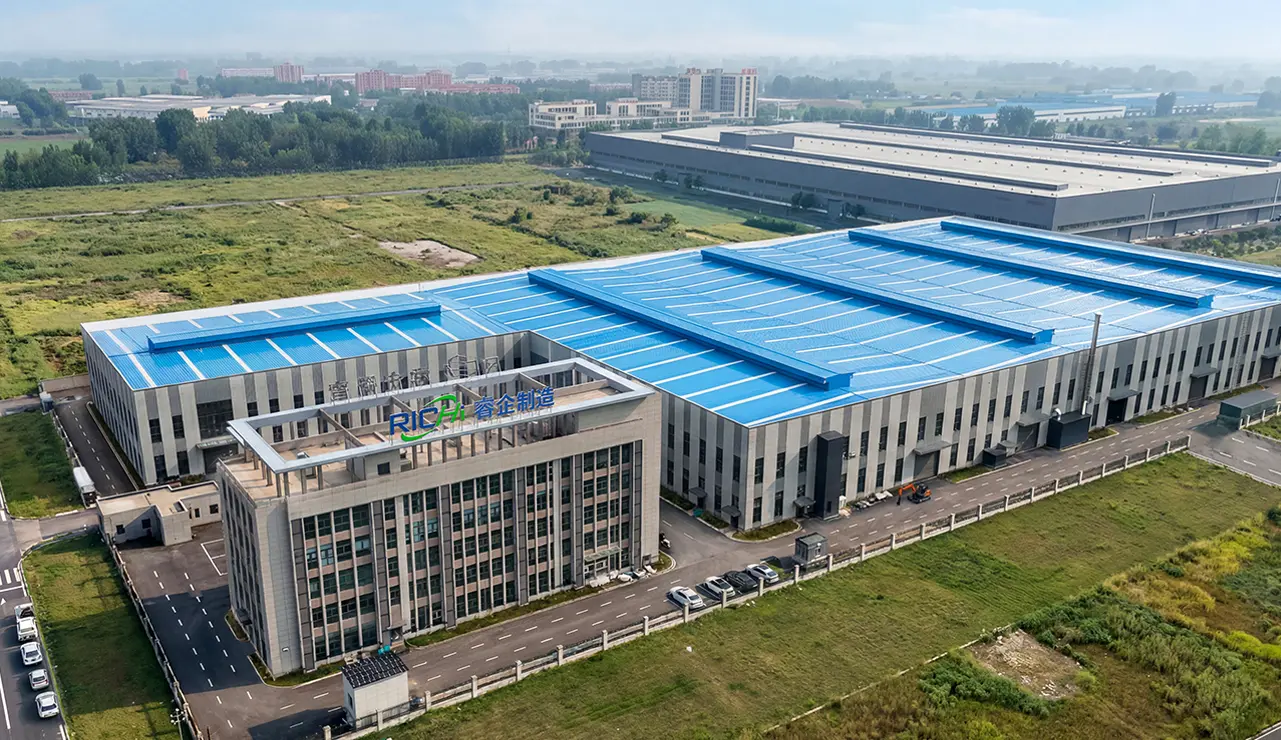
RICHI Machinery Co., Ltd., established in 1995, is a professional manufacturer integrating R&D, manufacturing, design and installation of complete sets of feed machinery engineering, complete sets of biomass pellet engineering, steel silo engineering and automation control.
Certifications & Honors
RICHI has obtained numerous international authoritative certifications, including CE, ISO9001, SGS, German TÜV, Russian RTN, and French BV, and holds 23 patents. The company has been recognized as a Henan Provincial High-Tech Enterprise, a Zhengzhou Municipal “Specialized, Refined, and Innovative” SME, and a member of the Henan Provincial International Trade E-commerce Association.
60,000㎡+
production base
23+
Patents obtained
30+
Years Of Experience
2000+
successful projects
Product System & Global Service
RICHI has developed a diverse and comprehensive product system, covering 15 major series and over 200 products, including feed pellet mills, wood pellet mills, organic fertilizer pellet mills, aquaculture extrusion extruders, and cat litter pellet mills. This system can comprehensively meet the needs of various feed production and biomass pellet processing.
Leveraging a comprehensive international marketing network, its products are sold in 131 countries and regions worldwide, with over 2000 projects implemented and annual exports exceeding 100 million RMB, serving customers globally.