
Compost Pellet Machine

Compost Pellet Machine for Sale
Looking for a compost pellet machine for sale? RICHI offers ring-die granulators from 1 to 26 t/h, with Siemens motors, alloy-steel dies, and automatic lubrication. In daily production, they run steadily on chicken manure, straw, sludge, and bagasse—low downtime, high pellet quality.
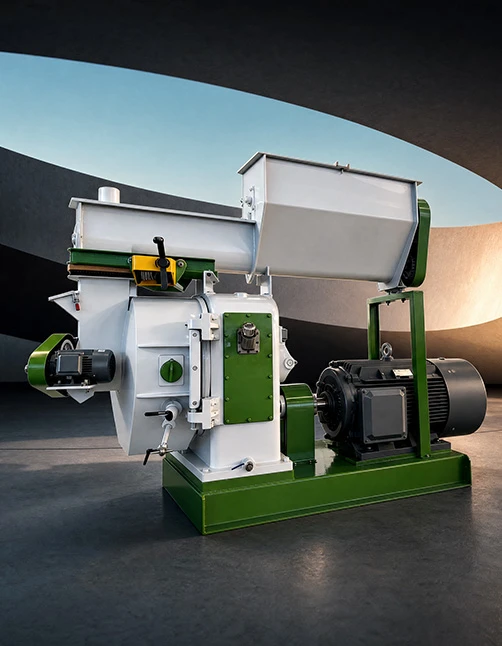
What Is a Compost Pellet Machine?

Kapazität
1–26 t/h

Pelletgröße
2–12 mm
A compost pellet machine compresses fermented organic matter into dense cylindrical pellets. Unlike simple crushing, it uses controlled pressure, not chemical binders. The ring die and rollers shape the material at room temperature, so nutrients stay in the pellet and handling becomes far easier.
Compost Pellet Production
RICHI compost pellet machines turn fermented organic waste into uniform organic fertilizer pellets. By switching ring dies, you can produce different pellet sizes for various fertilizer applications.
Why Make Compost Pellets—and How We Help Powder Compost Producers
Pellets flow better, store longer, and cut dust—real wins in transport and field spreading. But not every market wants pellets. We also support many powder compost producers, helping them improve grinding, mixing, moisture control, and bagging. In our experience, both powder and pellets can be profitable—if the equipment fits the job. The key is matching the process to your material and your buyers. So tell us what you sell—bulk powder, bagged powder, or pellets—and we’ll shape the line around it.
I’m ready to try compos pelletizing.
Wenden Sie sich an unsere Experten, um mehr zu erfahren.
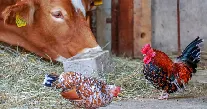
Livestock and poultry farm
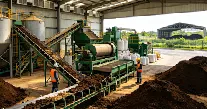
Anlage zur Herstellung von organischem Dünger

Waste Disposal

Mechanisierte Düngung

Raw Materials for Compost Pelletizing
Your raw material decides the line design. We’ve seen compost pellet machines handle poultry manure, cow dung, straw, kitchen waste, municipal sludge, bagasse, vinasse, green waste, and mixed organic residues. You can provide us with your material mix ratio, and we will determine the appropriate mold, press roller gap, and production capacity for you.
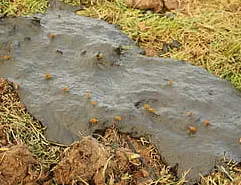
Animal Manure
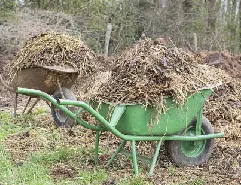
Crop Straw

Crop Straw
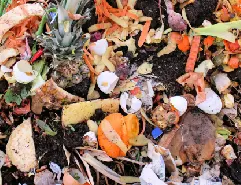
Kitchen Waste
Kitchen Waste
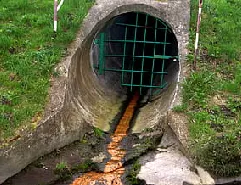
Municipal Sludge
Municipal Sludge
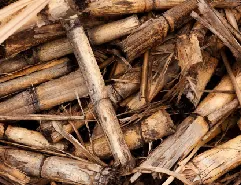
Sugarcane Bagasse
Sugarcane Bagasse
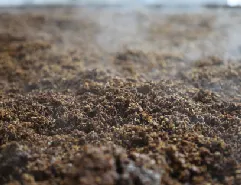
Distillers’ Grains
Brennerei-Getreidekleie
How the Compost Pellet Machine Works
Watch how this compost pellet machine turns smelly, bulky organic waste into uniform, solid organic fertilizer pellets.
This factory test video demonstrates our compost pellet machine operating under real production conditions.
Composted animal manure blended with other organic waste is fed into the pellet machine. You can clearly observe raw material feeding, extrusion, and the discharge of finished organic fertilizer pellets, showcasing the full pelletizing workflow for compost recycling.
Pelletization greatly reduces odors and cuts material volume for simpler storage and transportation. The heat generated during compression provides auxiliary sanitization. This equipment helps farms and compost facilities resolve organic waste pollution while producing marketable fertilizer products.
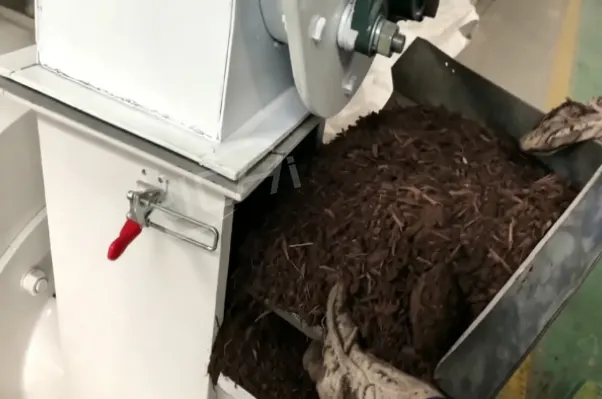

We provide free on-site factory testing. You may send your compost samples — including chicken manure, mixed organic waste or any fermented raw material. We will run live tests on our compost pellet machine, allowing you to verify pellet quality and machine performance before you place your order.
Verschiedene Kapazitäten
Choosing the right compost pellet machine starts with matching capacity to your actual output. Below is a clear breakdown of the FZLH series – from the compact 250 to the industrial 768 – so you can size your line with confidence.
| Modell | FZLH250 | FZLH320 | FZLH350 | FZLH420 | FZLH520 | FZLH678 | FZLH768 |
| Leistung des Hauptmotors (kW) | 22 | 22 | 37 | 90 | 132 | 200 | 250 |
| Leistung des Bogenbrechers (kW) | 2.2 | 2.2 | 2.2 | 3 | 3 | 3 | 4 |
| Leistung des Zwangsbeschickers (kW) | 0.75 | 0.75 | 0.75 | 1.5 | 1.5 | 1.5 | 1.5 |
| Innendurchmesser des Ringstempels (mm) | 250 | 320 | 350 | 420 | 520 | 673 | 762 |
| Enddurchmesser der Partikel (mm) | 4~12 | ||||||
| Durchsatz (t/h) | 1-1.5 | 2-3 | 3-5 | 6-8 | 9-12 | 18-22 | 22-26 |
Hauptkomponenten
When you’re evaluating a pellet mill, the real question isn’t “what’s the price?”—it’s “what’s inside?” We’ve seen too many plants struggle with cheap castings and undersized bearings. So here’s a straight look at the core parts that determine your compost pellet machine’s reliability, output, and die life.
01
Zuführvorrichtung
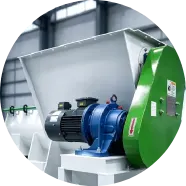
Variable-frequency forced feeding keeps material flowing evenly, preventing bridging and blocking in daily compost production.

02
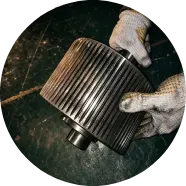
Ringmatrize
Alloy-steel, wear-resistant, and easy to change—it shapes the pellet and handles abrasive manure, straw, or sludge.
03
Press roller
Adjustable roller-die gap ensures uniform pressure, so pellets stay dense and the die lasts longer.
04
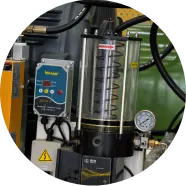
Lubrication system
Automatic, timed lubrication meters grease to rollers and main shaft—cutting downtime and manual maintenance.

05
Siemens motor
Stable, powerful drive delivers reliable torque for continuous granulation, even with tough fibrous materials.

06
Safety pin
Overload protection—if a hard object enters, the pin breaks and stops the machine, protecting the main shaft and die.
Compost Pellet Machines Delivered Worldwide
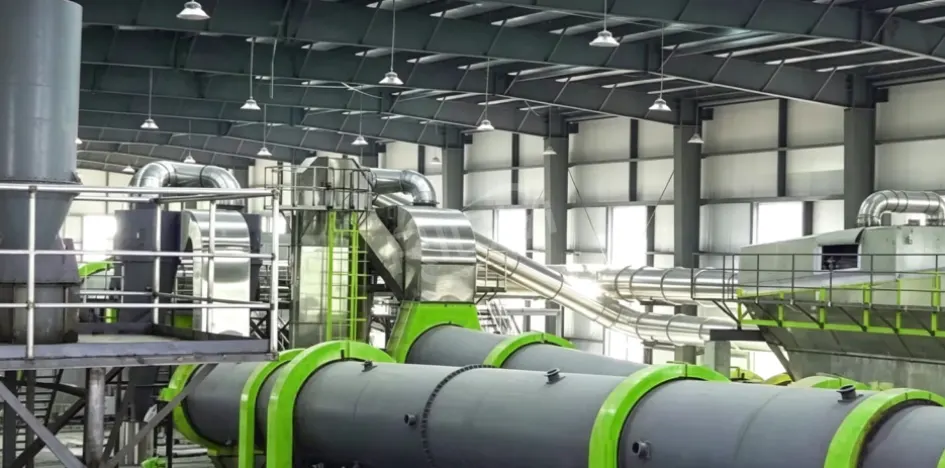
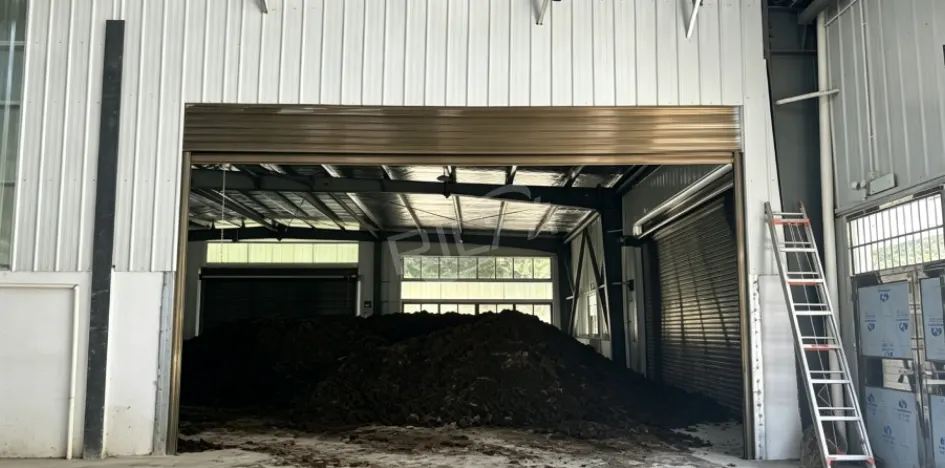
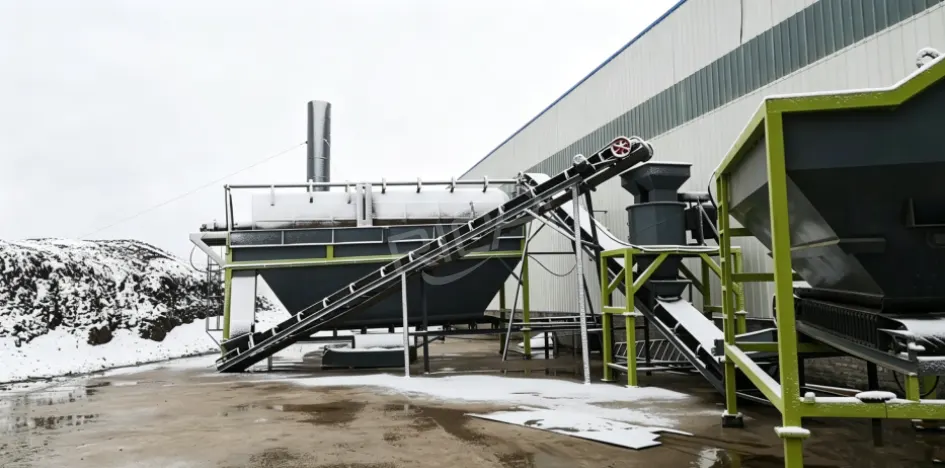
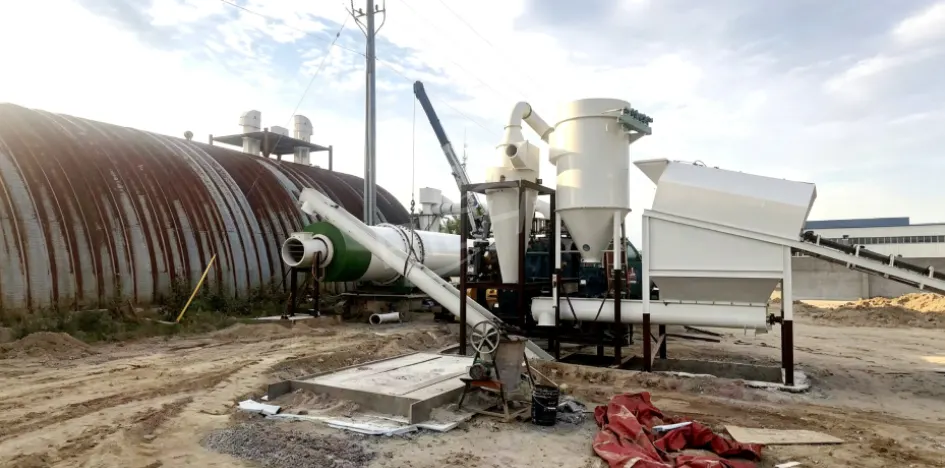
From Spain to South Africa, RICHI compost pellet machine run on cattle manure, digestate, pig manure, and mixed organic waste. Different materials, one goal: turn waste into a sellable product. Here’s a quick look at recent projects.
VORHERIGE
WEITER
Custom Compost
Pellet Production Process
From fermentation to bagging, every compost pellet line is tailored. Here’s how our engineers and investors usually map the process together.
Advantages of RICHI Machinery for Compost Production:
Process steps valued by engineers and investors include:
1.Raw Material Pretreatment
2.Batching & Mixing
3.Pelletizing Process
4.Drying Process
5.Cooling Process
6.Screening & Packaging
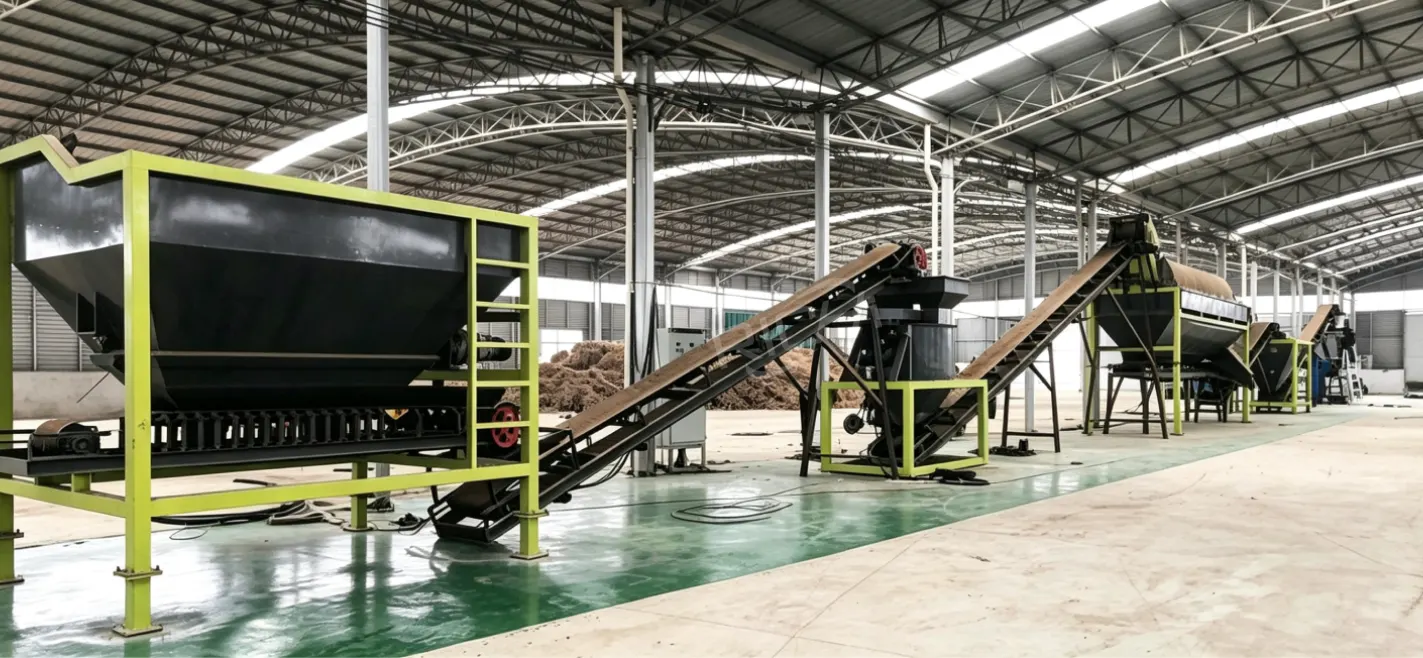
Vorbehandlung des Rohmaterials
First, manure, sludge, or green waste is blended with straw or bulking agents. Then it’s piled and turned every few days—or force-aerated—until stable and odor-free.
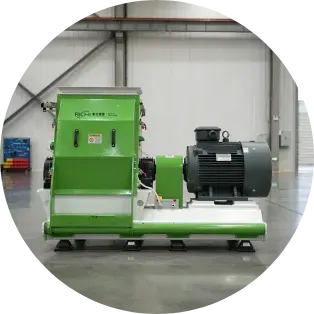
Dosieren und Mischen
After fermentation, materials are weighed and mixed with additives like NPK, minerals, or microbes. Uniform blending is the key—it prevents nutrient pockets and keeps every pellet close to the same formula.
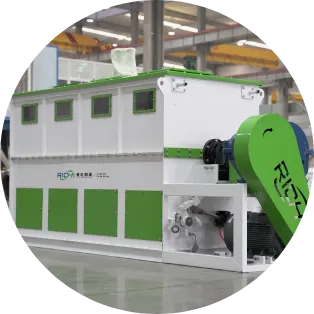
Pelletierungsprozess
If you want pellets, the mix enters the compost pellet machine. Rollers press it through holes at room temperature. For powder compost, this step is simply bypassed. On-site, we adjust roller gap and feeder speed.
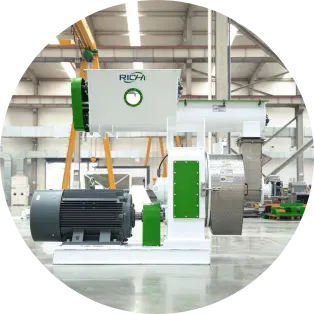
Trocknungsprozess
Wet pellets go through a rotary or belt dryer. Moisture drops to about 12–15% for safe storage. But be careful—too much heat can damage microbes. In daily production, you need to control temperature and retention time closely.
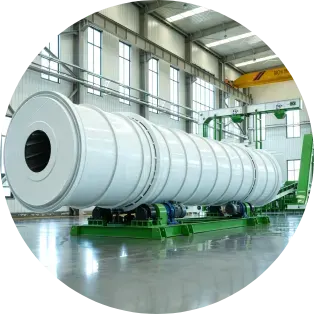
Kühlprozess
Hot pellets then enter a counter-flow cooler. Ambient air passes through the pellet bed, bringing temperature close to room level—this protects bagged product from sweating and caking in storage.
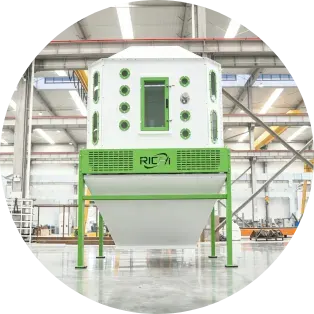
Sortierung und Verpackung
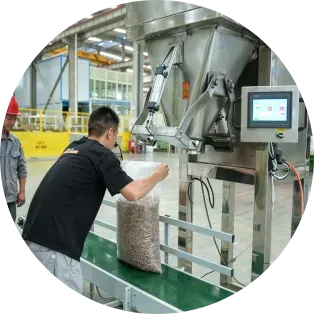
A vibrating separates oversize, fines, and finished pellets. Oversize and fines return to the crusher or mixer. Finished pellets go to an automatic packing scale. Dust is collected by a pulse filter.
Auxiliary Equipment Configuration for Compost
Pellet Production
Beyond the main compost pellet making machine, a compost pellet line needs auxiliary equipment. In our experience, conveyors, mixers, dryers, coolers, screens, and packing scales must match your material and output—or bottlenecks appear. The key is integration.
Organic
Düngemittelbrecher
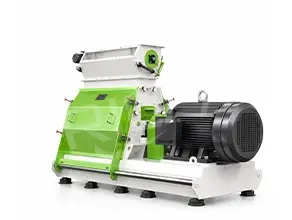
Crushing chamber width: 400–1500 mm
Rotational speed: 2980 rpm
Power: 37–220 kW
Capacity: 0.8–8.0 t/h
Organic
Düngermischer
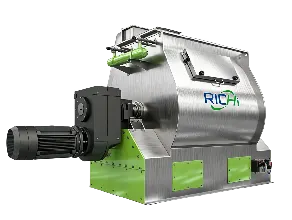
Material: Carbon steel or stainless steel (optional)
Power: 11–55 kW
Batch capacity: 500–3000 kg/batch
Effective volume: 1–6 m³
Rotary
Trommeltrockner
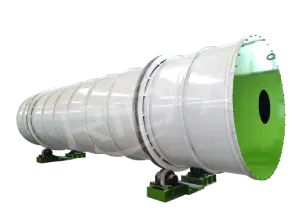
Rotational speed: 3–12 rpm
Diameter: 0.6–1.8 m
Inlet air temperature: 400–500°C
Outlet air temperature: 70–80°C
Fertilizer
Pelletkühler
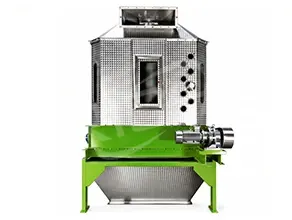
Capacity: 1–40 t/h
Power: 1.5–2.2 kW
Cooling time: 6–15 minutes
Post-cooling temperature: Ambient temperature + 3–5°C
Trace Element
Addition System
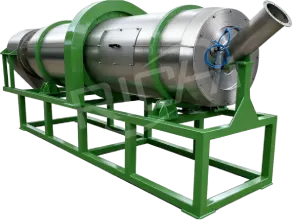
Models:
JYPT series (paddle-type liquid spraying), SYPL series (drum-type liquid spraying), XYPLC series (vacuum spraying)
Casing material: Q235 steel
Pump structure: Gear pump
Organic
Fertilizer Conveyor
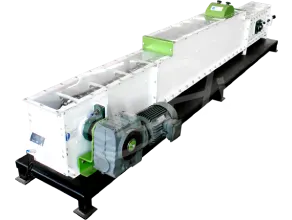
Bucket Elevator: Vertical material transport
Screw Conveyor: Material transport based on flowability
Scraper Conveyor: Long-distance horizontal material transport
Belt Conveyor: Horizontal or low-angle (≤20°) material transport
Fertilizer
Siebmaschine
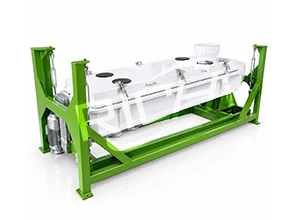
Power: 1.5–5.5 kW
Capacity: 3–40 t/h
Gyration radius: 25–35 mm
Fertilizer
Packaging Scale
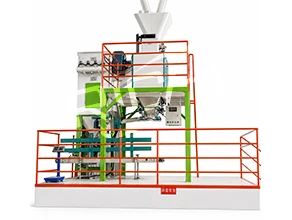
Feeding Method: Gravity, screw (auger), or belt feeding
Packaging speed: 2–8 bags/minute
Application: Pelleted or powdered materials
Air supply requirement: 0.4–0.6 MPa 1.5 m³/h
FAQ About Compost Pellet Production
Before you invest, it’s smart to ask practical questions. In our experience, buyers care most about moisture, capacity, die life, maintenance, and whether one machine can handle different compost recipes. Below are the questions we hear most often.
What moisture is best for compost pelletizing?
→
The sweet spot depends on your material, but most compost mixes run best when they are crumbly, not paste-like. In daily production, we often see good results around 15–25% moisture before pelletizing, then drying to 12–15% for storage. Too wet causes blocking; too dry makes weak pellets. Always test your own mix.
Do I need a binder?
→
Usually no. Compost contains natural fibers, starches, and microbial gums that bind under pressure. Our ring-die compost pellet machine uses mechanical pressure, not chemical binders. If your material is very dry or sandy, a small amount of water, molasses, or clay may help.
What capacity can you supply?
→
We build compost pellet machines from about 1 t/h to 26 t/h, and larger lines by combining units. The right size depends on your raw material, moisture, pellet diameter, and working hours. For a farm-scale project, 1–3 t/h is common; industrial sludge or fertilizer plants often choose 5–20 t/h.
How long does the ring die last?
→
Die life varies with material abrasiveness, moisture, and maintenance. On clean, well-ground compost, an alloy-steel die can last hundreds of hours; with sludge, sand, or green waste, it wears faster. We recommend regular inspection, correct roller gap, and removing stones or metal before the die.
Can you supply a complete turnkey compost pellet plant?
→
Yes. We provide more than one compost pellet machine: fermentation turners, crushers, mixers, pellet machines, dryers, coolers, screens, conveyors, and packing scales. From layout design to installation and operator training, we support the whole project. Tell us your site and target, and we’ll build the line around it.
We mainly pellet chicken manure blended with straw. What grinding fineness and moisture range help keep the ring die from clogging?
→
In our experience, straw must be ground to 2–5 mm before blending with chicken manure. If it’s longer, the die can bridge and clog. Moisture is the bigger culprit: aim for a crumbly mix, usually 15–20% before pelletizing. Too wet, and the die slips; too dry, and pellets crack.
Bagasse from our sugar mill is very fibrous. What pellet output and power draw should we realistically expect?
→
High-fiber bagasse will lower output compared with manure-based compost—expect a moderate drop, maybe 20–30%. Power draw rises because the fiber is tough and abrasive. On-site tests show pre-grinding to 3–5 mm and consistent moisture are essential. A heavy-duty alloy-steel die and a larger motor help offset wear. Realistic output depends on die size and line setup.
Our recipe changes often—manure, crop residues, food waste, and additives. How much adjustment is needed between different raw material batches?
→
Formula changes are normal in compost plants. The main adjustments are roller-die gap, feeder speed, and sometimes die compression ratio. With a hydraulic system and variable-frequency feeder, operators can switch between mixes without a full rebuild.Keeping a simple trial log helps you find the right settings faster for each new recipe.
If we add NPK, minerals, or microbial agents into the compost, do we need to change the die compression ratio or feeder speed?
→
Usually not the die compression ratio—but feeder speed and mixing time often need tweaking. NPK and minerals can make the mix denser or more abrasive, while microbial agents are heat-sensitive. Room-temperature pelletizing protects them. Please conduct small-batch testing before full-scale production.
We run dry compost one week and wet fermented material the next. Can one compost pellet machine handle both?
→
Yes, but you’ll need to adjust moisture and feeder settings between batches. Dry compost may need a little water or steam to reach the right crumbly state. Wet fermented material often needs blending with dry returns or a short pre-dry. Our variable-frequency feeder and adjustable roller-die gap let you switch without changing the whole machine.
Still unsure? Send us your raw material, target output, and local power condition. We’ll reply within 24 hours—and recommend the right compost pellet machine plus a complete, matching production line solution.
Wer sind wir?
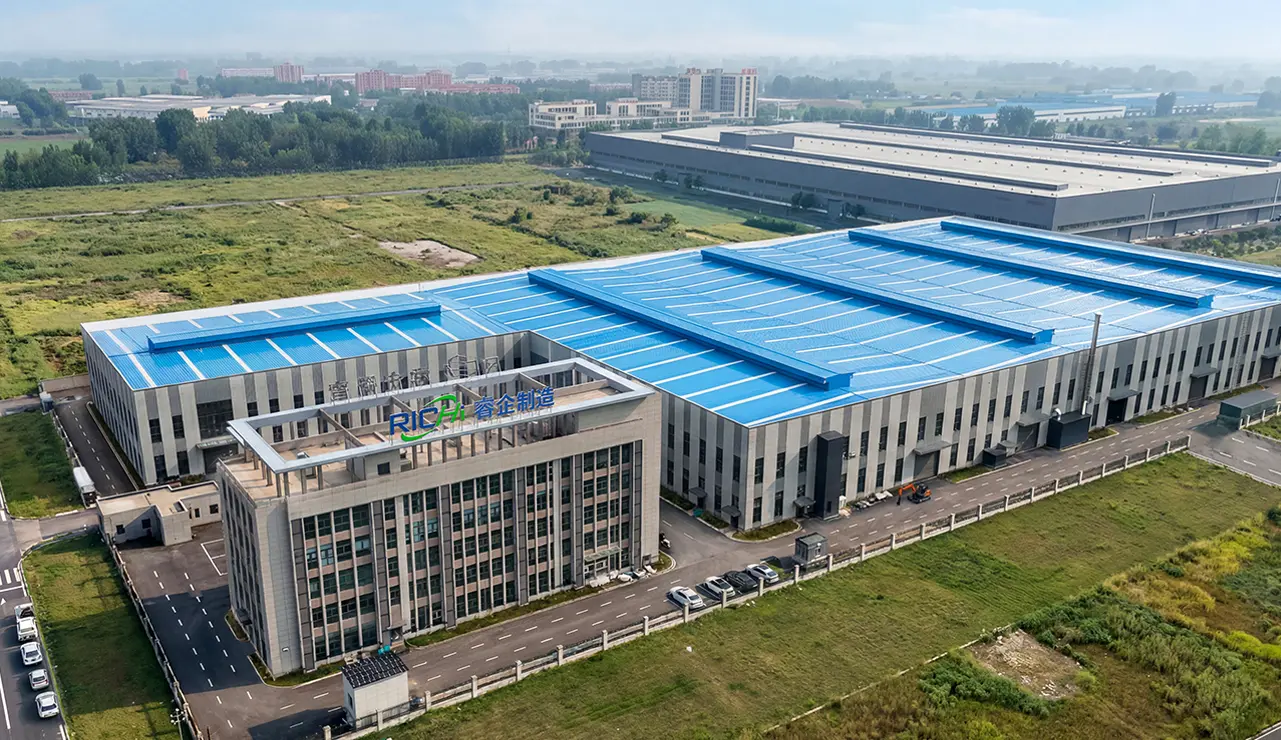
Henan RICHI Maschinen Die 1995 gegründete Equipment Co., Ltd. ist ein professioneller Hersteller, der Forschung und Entwicklung, Fertigung, Konstruktion und Installation von Komplettanlagen für die Futtermittelindustrie, Komplettanlagen für die Biomasse-Pelletierung, Stahlsiloanlagen sowie Automatisierungstechnik unter einem Dach vereint.
Zertifizierungen und Auszeichnungen
RICHI hat zahlreiche international anerkannte Zertifizierungen erhalten, darunter CE, ISO 9001, SGS, den deutschen TÜV, das russische RTN und das französische BV, und hält 23 Patente. Das Unternehmen wurde als High-Tech-Unternehmen der Provinz Henan, als “spezialisiertes, hochspezialisiertes und innovatives” KMU der Stadt Zhengzhou sowie als Mitglied des Verbandes für internationalen Handel und E-Commerce der Provinz Henan anerkannt.
über 60.000 m²
Produktionsstandort
23+
Erteilte Patente
30+
Langjährige Erfahrung
2000+
erfolgreiche Projekte
Produktsystem & weltweiter Service
RICHI hat ein vielfältiges und umfassendes Produktsystem entwickelt, das 15 Hauptserien und über 200 Produkte umfasst, darunter Futterpelletieranlagen, Holzpelletieranlagen, Pelletieranlagen für organischen Dünger, Extruder für die Aquakultur sowie Pelletieranlagen für Katzenstreu. Dieses System kann die Anforderungen verschiedener Bereiche der Futtermittelproduktion und der Biomasse-Pelletverarbeitung umfassend erfüllen.
Dank eines umfassenden internationalen Vertriebsnetzes werden die Produkte des Unternehmens in 131 Ländern und Regionen weltweit verkauft. Mit über 2.000 realisierten Projekten und einem jährlichen Exportvolumen von mehr als 100 Millionen RMB bedient das Unternehmen Kunden auf der ganzen Welt.
Suchen Sie noch nach anderen Düngemaschinen?
Our compost pellet expertise extends to organic fertilizer streams.
We also offer dedicated machines for chicken manure, cow dung, horse manure and poultry manure.
Jeder Rohstoff birgt ganz eigene Herausforderungen –
Aber die Lösung ist dieselbe: die richtige Maschine, genau auf Ihr Material zugeschnitten.
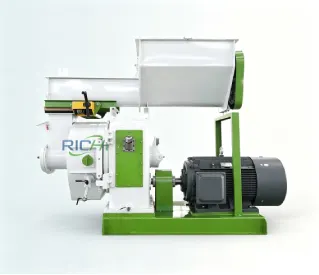
Pelletsmaschine für Hühnermist
Verwandelt feuchten Hühnermist effizient in trockene, geruchlose Düngerpellets.
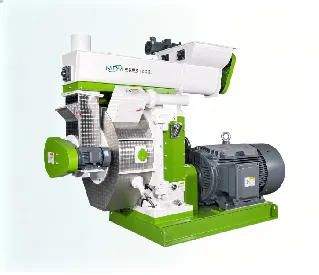
Maschine zur Herstellung von Kuhdungpellets
Turn cow dung into organic fertilizer pellets—fast and profitable.
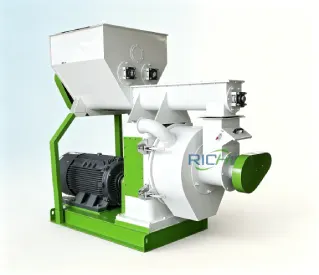
Pelletsmaschine für Pferdemist
Verdichtet Pferdemist zu sauberen, organischen Pellets für den Einsatz im Garten.
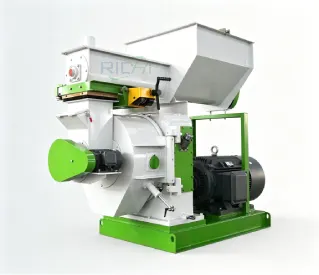
Pelletiermaschine für Geflügelmist
Verwandelt Geflügelmist in dichte, keimfreie Pellets, die sich als sicherer Dünger eignen.

