Hay Pellet Mill

Turn Hay Into
High-Value Pellets
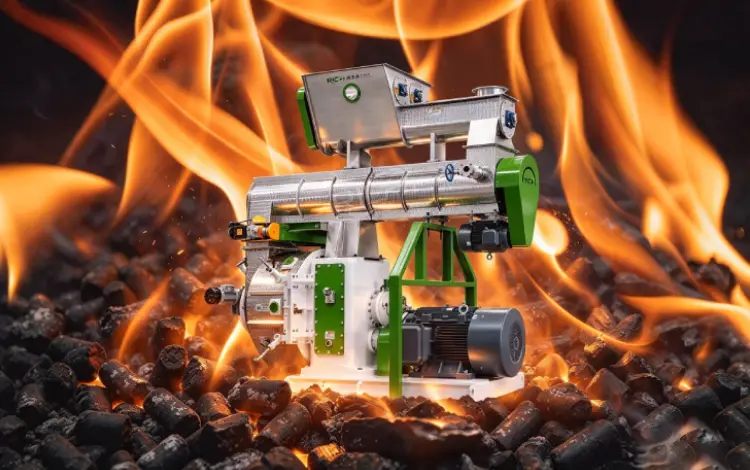
If you’re in the business of forage, livestock feed, or biomass energy, you’ve probably noticed something: loose hay is a pain to store, expensive to ship, and nearly impossible to feed automatically at scale. The advent of hay pellet making machines offers a solution to all three of these challenges.
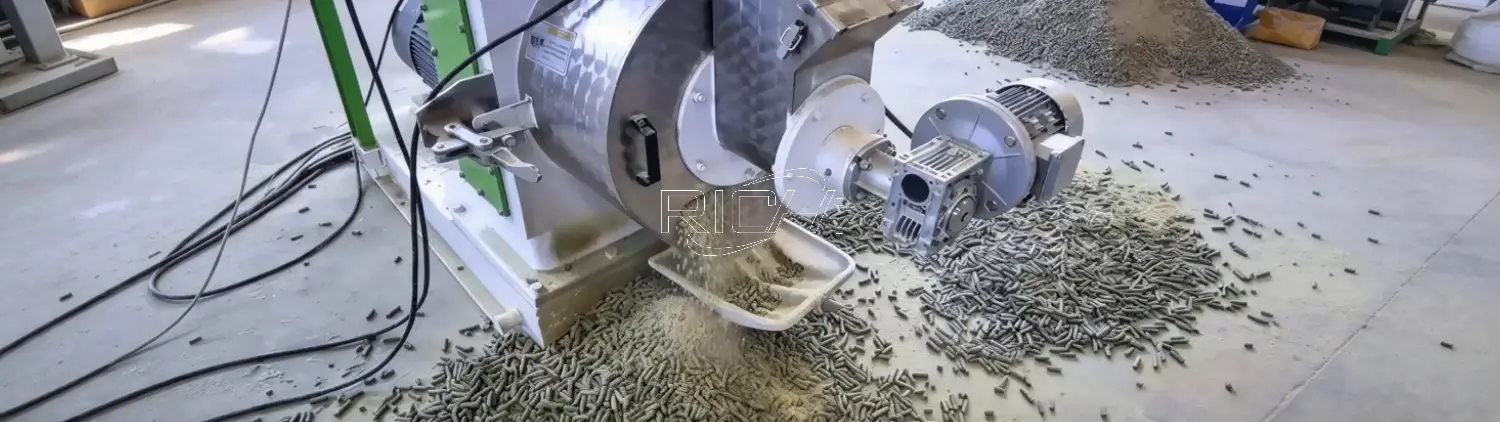
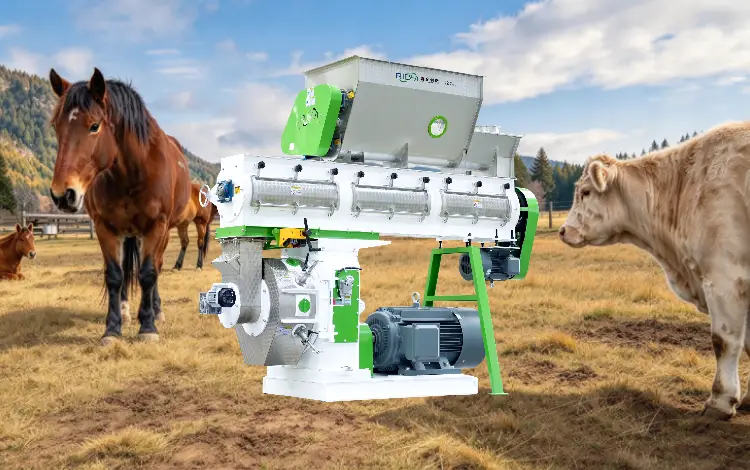
A hay pellet mill could compress dried hay grass into dense, uniform pellets. By processing raw hay into pellets, it significantly reduces storage space, minimizes feed waste, and prevents selective eating by livestock. The friction and pressure during pelletizing naturally sterilize the feed, improving digestibility and nutritional absorption for cattle, sheep, and horses. Typically integrated into a complete production line—including crushing, dust collection, conveying, and cooling systems—it transforms loose agricultural residues into highly nutritious, easy-to-handle animal feed.

Hay pellet mill price
6,800–100,000 USD (single pellet mill); 12,000–800,000 USD (complete hay pellet production line, including crushing, dust collection, conveying, cooling, and packaging sections)

Capacity & Pellet size
· 0.5–8 T/H (single hay pellet mill); up to 40 T/H (complete production line with multiple parallel pellet mills)
· Total range 2–12 mm, customizable

Application
Hay pellet press is used to process pure hay pellets, hay and grain mixed feed pellets, hay biomass fuel pellets, hay bedding pellets, organic fertilizer pellets.

Target Customers
Hay pellet mill, full automatic cattle feed plant, sheep feed mill, ruminant feed mill, poultry feed plant, horse feed mill, animal feed mill plant, biomass pellet plant, organic fertilizer plant, horse bedding pellet factory, fuel pellet plant, etc.

Hay Feed Pellets vs Hay Pellets Fuel
Biomass hay pellet mills essentially serve two distinct markets, and the equipment configuration differs depending on which one you’re targeting.
Hay Feed Pellets
For animal feed, the priority is nutrient retention. You want to process hay at lower temperatures to preserve protein content. A typical hay pellet line uses a hammer mill for fine grinding, a mixer to blend the ground hay with other ingredients, a pellet mill with a controlled temperature profile, and a pellet cooler with sufficient capacity to bring the pellets down to ambient temperature quickly.
The pellet diameter for equine feed is typically larger—often 12–16 mm—while dairy cattle feed runs 6–8 mm.
single hay pellet mill Capacity: 0.5 -8 T/H
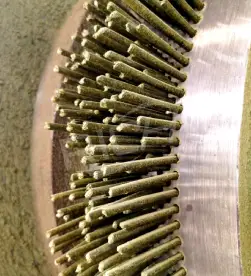
Take, for example, the 3T/H hay pellet production line we supplied to a cattle and dairy farm in Argentina; here is how it processes imported bales of alfalfa and oat hay:


Hay Pellets Fuel
For biomass fuel, the priority shifts to combustion efficiency and durability. Fuel pellets from hay need high density and low fines content. Ring die compression ratios are usually higher, and you may need a dryer if incoming hay moisture exceeds 15%. A well-configured hay fuel pellet line can produce 2–10 t/h depending on the model and feedstock.
single hay pellet mill Capacity: 0.5 – 8 T/H
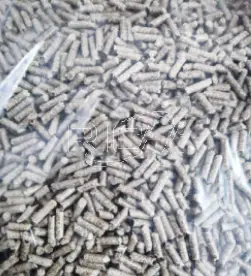
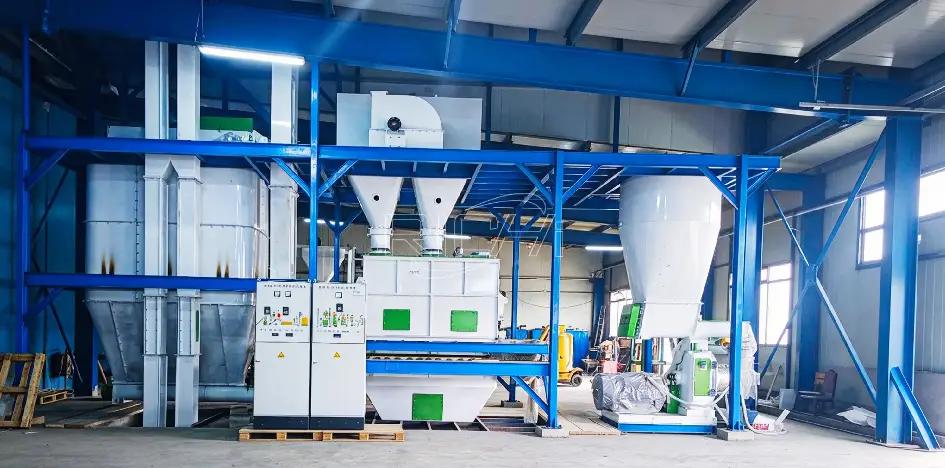
For an example, see how our 2 T/H mixed biomass fuel pellet line in Romania processes blended wood and hay into 8 mm combustion pellets for heating applications:
Delivered Hay Pellet Mill Case Notes
The following five projects were commissioned between 2020 and 2024. They cover feedstocks ranges from alfalfa hay and timothy to manure–hay–sawdust mixes. Each case highlights a different combination of equipment, local conditions, and installation constraints. The details below are drawn from project records and site reports.
PREVIOUS
NEXT
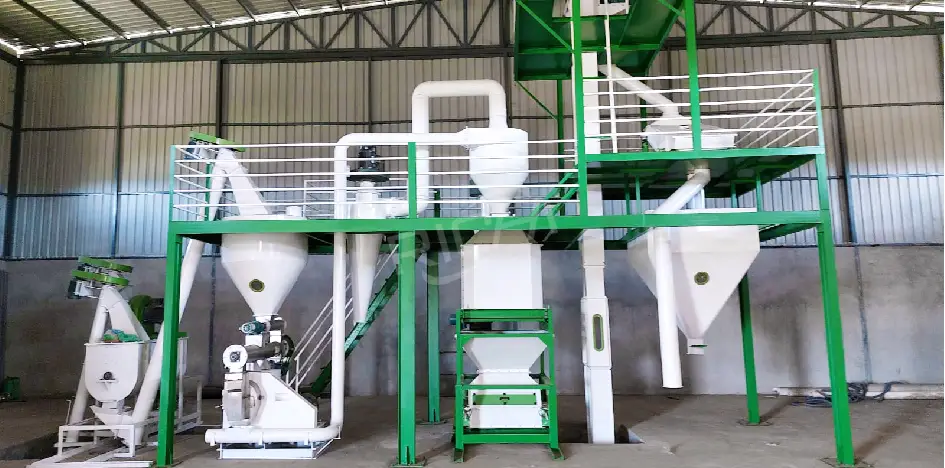
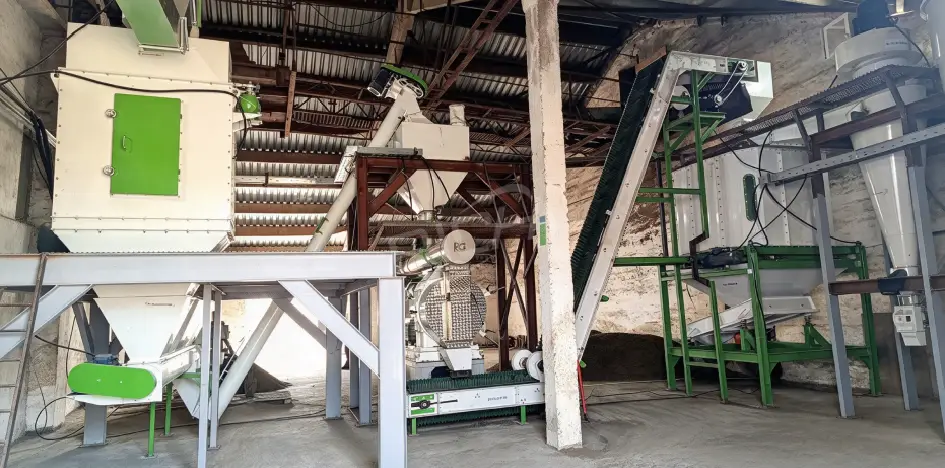
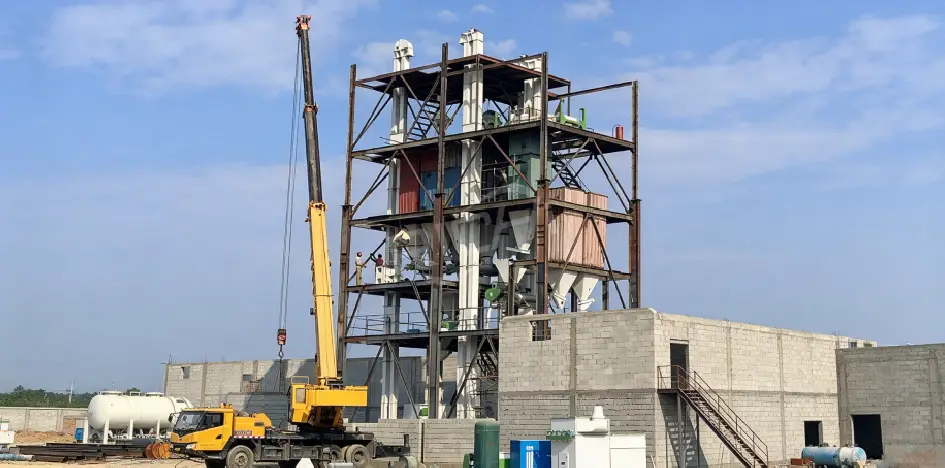
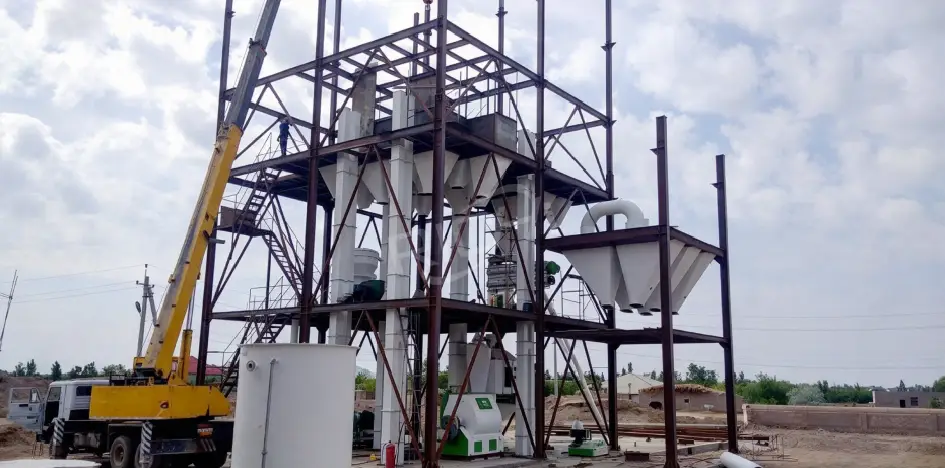
Hay Pellet Mill Models We Offer
We manufacture a range of hay pellet mills under the CZLH series, covering capacities from 0.5 to 8 t/h. They’re engineered specifically for the fiber structure and binding characteristics of hay, straw, and forage crops.
| Model | CZLH320 | CZLH350 | CZLH420 | CZLH520 | CZLH678 | CZLH768 |
| Main Motor Power(kw) | 22 | 37 | 90 | 132 | 200 | 250 |
| Arch-Breaking Feeder Power(kw) | 2.2 | 2.2 | 3 | 3 | 3 | 4 |
| Forced Feeder Power(kw) | 0.75 | 0.75 | 1.5 | 1.5 | 1.5 | 1.5 |
| Ring Die Inner Diameter(mm) | 320 | 350 | 420 | 520 | 673 | 762 |
| Finished Particle Diameter(mm) | 4~12 | |||||
| Output(T/H) | 0.5-0.6 | 1.0-1.2 | 1.8-2.0 | 2.8-3.0 | 4-5 | 6-8 |
You can achieve your target output by selecting the appropriate hay pellet mill model or using pelletizers in parallel; we offer a wide range of configurations—including basic, low-spec, standard, high-spec, fully automatic, semi-automatic, and PLC-controlled systems—to meet your needs.
If your operation also produces wood pellets, poultry feed, or organic fertilizer, we have parallel model series that share the same platform. But for hay specifically, the CZLH series is the right starting point.
The Core Components That Make It Work
Let’s open up the hay pellet machine and look at what actually matters.
Feeding system
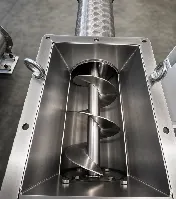
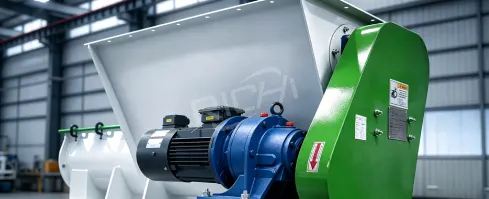
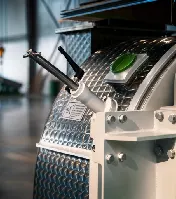
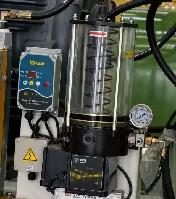
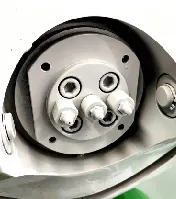
Stainless steel conditioner and feed screw resist corrosion and rust. Variable-pitch flights, VFD feeding, and adjustable steam/water control handle bulky, fibrous hay smoothly—preventing bridging, surging, and soft pellets for consistent die feed.

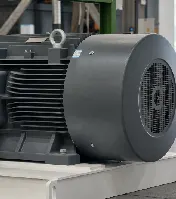
Siemens Motor
They handle the sustained high-load operation that hay pelletizing demands without overheating. Variable frequency control on the feeder motor allows you to match feed rate to the material’s behavior in the die—a critical adjustment when you’re running different hay types.
Gear Transmission
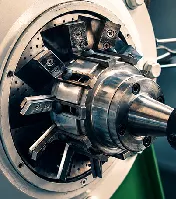
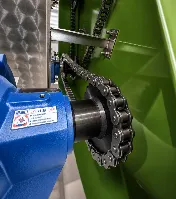
We use a hardened, precision-ground gear transmission with a compensation-type serpentine spring coupling. It delivers constant torque at the ring die and eliminates the slippage that plagues belt systems under heavy fibrous loads.
SKF Bearings & Seals
The gear shaft and main shaft bearings are SKF. Every bearing seat is sealed against dust and moisture. In a hay processing environment—where fine dust is constant and humidity swings can be significant—this is essential.
Overload Protection
If the main motor overloads—say, a foreign object enters the chamber or the feed rate spikes—the safety pin shears and stops the machine before damage occurs.
Stainless Steel Ring Die & Rollers
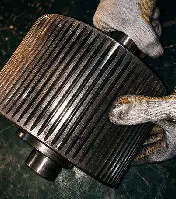
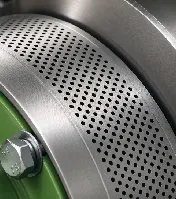
Hay is abrasive. Silica content varies by species and harvest timing, but it’s always present. So our ring die and press rollers are made from stainless steel to prevent both the inconsistent pellet quality and the production downtime that would otherwise be caused by die wear.
How Hay Pellets Are Made
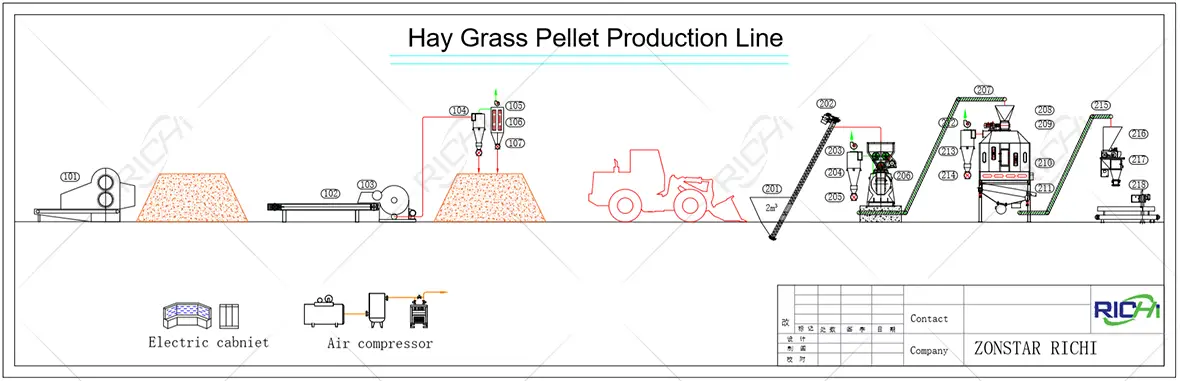
From whole bales to bagged pellets, every stage earns its keep. Here’s the six-step flow—crushing, grinding, pelletizing, cooling, screening, packing—and what actually matters at each stop.

Primary Crushing
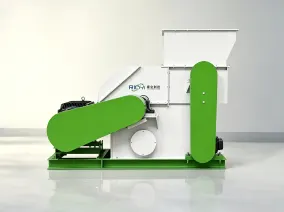
Hay Crusher
Break down entire bales of hay or long-stemmed hay into pieces measuring 1–3 cm. This ensures a uniform and consistent feed for the subsequent hammer mill process.
Secondary Grinding
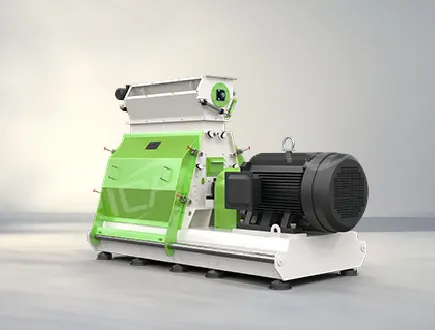
Hammer Mill
The crushed hay goes into a hammer mill where rotating hammers reduce it to a fine, consistent powder. Screen size determines final particle size, typically 0.5–20 mm.
Pelletizing
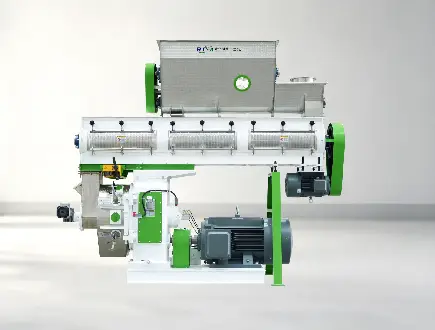
hay pellet maker
Conditioned hay powder is fed between die and rollers. Friction and centrifugal force push it through holes; heat softens natural lignin as a binder, forming dense cylindrical pellets.
Cooling
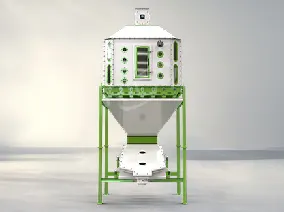
Counterflow Cooler
A counterflow cooler draws ambient air through a moving bed of pellets, bringing them down to room temperature (within 3–5°C above ambient) while reducing surface moisture.
Screening
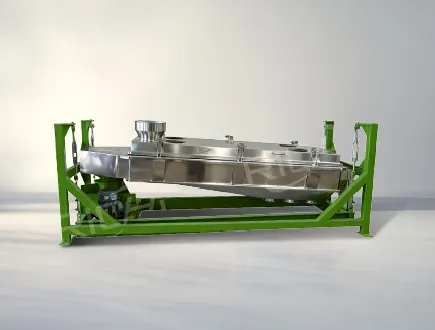
Vibrating Screener
Cooling and conveying generate fines—small broken pieces and dust. A vibrating screener separates whole pellets from fines. The fines are recycled back to the pellet mill.
Packaging
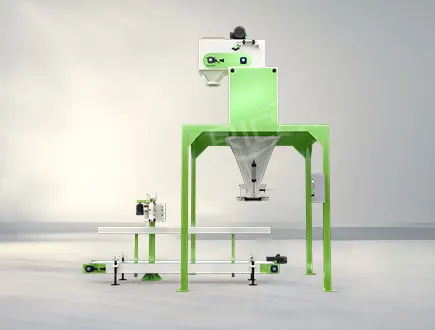
Packaging Machine
Finished pellets go into woven bags or bulk bags via an automatic weighing system.
One note on drying: you’ll notice we didn’t include a dryer in the standard flow. For most hay pelletizing operations, drying isn’t necessary—hay is already sun-cured to 10–15% moisture, which is the ideal range for pelletizing. A dryer becomes relevant only when you’re working with high-moisture hay (above 18–20%) or when you’re blending in wetter ingredients.
Key operating points for consistent hay pelletizing
The same steps don’t guarantee the same pellets. In real operation, quality varies from operator to operator—because hay pelletizing is shaped by feedstock type, incoming moisture, grind size, die compression ratio, feed rate, conditioning, and machine condition.
To keep pellets consistent, keep a close eye on the following points:

Moisture
Target 12–15% at the conditioner outlet. Check incoming hay moisture at multiple points—bale surface vs. core can differ by several percentage points.
Particle Size
2–5 mm is a good target for most hay types. Finer for high-protein alfalfa; slightly coarser for high-fiber grass hays.
Die Compression Ratio
Higher compression ratios (1:8 to 1:12) work better for hay than for wood. The fibrous structure needs more pressure to bind.
Feed Rate
Start conservative. Increase gradually until you see consistent pellet quality, then back off slightly. Running the mill at maximum feed rate usually produces marginal pellets and accelerates die wear.
FAQ About Hay Pellet Production
We frequently receive the same practical questions from customers looking to purchase hay pellet mill: Can the machine process both feed pellets and fuel pellets? What is the production capacity of a single unit? Is a dryer or hammer mill required? Below, our engineers provide answers based on real-world project experience. You can review this information and then send us details about your raw materials to receive a customized quote.
How much does a hay pellet mill cost?
→
A standalone hay pellet mill typically ranges from around $11,000 to $25,000 depending on model and capacity. A complete production line—including crusher, hammer mill, pellet mill, cooler, screener, and packaging—starts around $50,000 for small-capacity systems and scales up from there. The biggest cost variables are capacity, automation level, and whether you need a dryer.
What moisture content is ideal for hay pelletizing?
→
Target 12–15% at the conditioner outlet. Below 10%, the material won’t bind well—you’ll get dusty, fragile pellets. Above 18–20%, the material slips in the die, output drops, and pellets come out soft. The exact optimum depends on your specific hay and machine, so start in the middle and adjust based on pellet durability and die performance.
Why are my pellets breaking or producing too many fines?
→
This is usually a moisture or compression ratio issue. If the hay is too dry, the lignin doesn’t fully plasticize, and pellets don’t hold together. If the die compression ratio is too low for your material, the pellets form but lack density. Other causes include worn die holes, excessive roller clearance, or cooling too quickly. Check moisture first, then die condition, then roller gap.
How long does a ring die last?
→
When processing forage, high-quality stainless steel ring dies normally last 800–1,200 operating hours. For highly abrasive forage such as high-silica grass, service life may drop to 500–800 hours. To prevent die holes from being blocked by hardened leftover material, flush die holes with oily material before long shutdowns.
Can I pelletize hay without a hammer mill?
→
You can, but you probably shouldn’t. Long hay fibers bridge in the feeder and die, causing inconsistent output and frequent blockages. In commercial hay pellet production, the hammer mill is an indispensable component of the entire process. The only exception is if you’re buying pre-ground hay meal.
Can I make both feed pellets and fuel pellets on the same line?
→
Yes, but you’ll need to adjust die compression ratio, pellet size, and possibly cooling time between product runs. The compression ratio for fuel pellets is typically higher than that for feed pellets.
Many producers schedule the production of feed and fuel during separate shifts; however, such transitions are time-consuming and require thorough cleaning of the machinery to prevent cross-contamination. Alternatively, many producers opt to set up two separate production lines—the best approach depends on your budget and the intended end-users of your products.
What’s the shelf life of hay pellets?
→
Properly cooled and dried hay pellets store for 6–12 months under dry conditions. The key factors are final moisture content (keep it below 12%) and storage environment. Pellets stored in humid conditions will reabsorb moisture and can develop mold. For long-term storage, keep them in sealed bags or in a dry, ventilated warehouse.
Do I need a dryer for hay pelletizing?
→
Only if your incoming hay exceeds 18–20% moisture. Most sun-cured hay is already in the 10–15% range, which is ideal for pelletizing. If you’re harvesting in wet conditions or processing fresh-cut material, a dryer becomes necessary. But for standard hay pellet operations, a dryer is often an unnecessary capital expense.
What capacity hay pellet mill do I need?
→
It depends on your target output and available feedstock. Under ideal operating conditions—using hay as the feedstock with appropriate moisture content – a 22 kW pellet mill can produce 0.5–0.6 tonnes per hour, making it suitable for small farms or cooperatives. A 90 kW mill produces 1.8–2.0 t/h—the sweet spot for many mid-size commercial operations. A 250 kW mill produces 6–8 t/h for large-scale industrial production. Because hay fibers are difficult to compress, production capacity may decrease if the quality of the raw material is poor. The “right” answer is one that aligns with your actual raw material supply and sales channels.
Ready to discuss your hay pelletizing project? Tell us about your feedstock, target capacity, and end product—we’ll recommend the right configuration.
More Biomass Pellet Machines
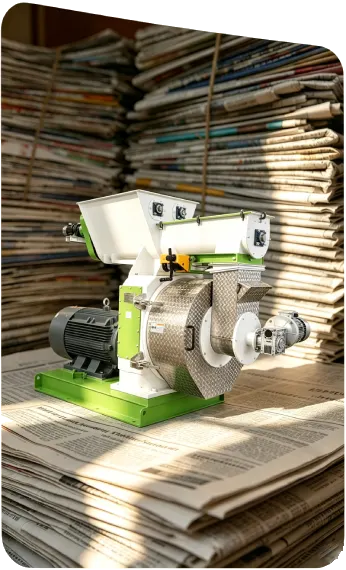
Our hay pellet mill delivers stable biomass pellet production. We also design specialized pellet mills to process diverse raw materials. Explore our alternative models built for EFB, alfalfa, waste paper and sawdust to match your unique feed, bedding or fuel manufacturing demands.
Who are we?
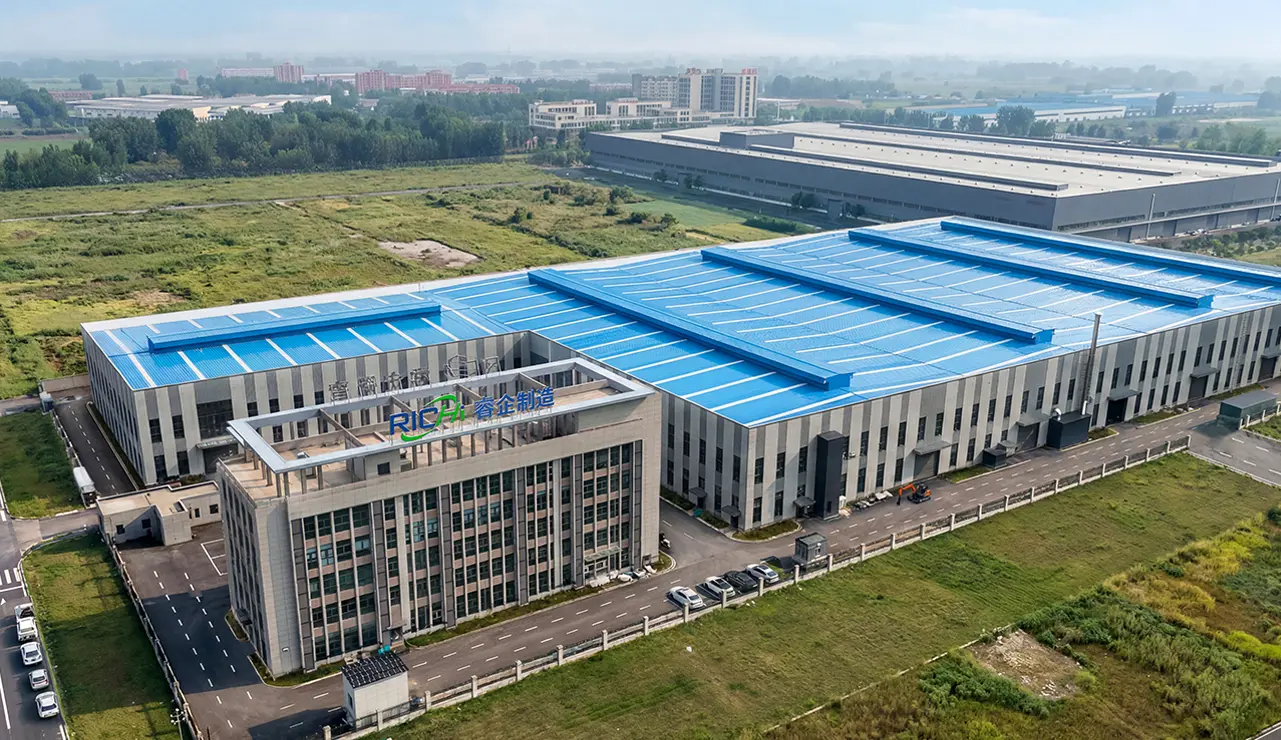
RICHI Machinery Co., Ltd., established in 1995, is a professional manufacturer integrating R&D, manufacturing, design and installation of complete sets of feed machinery engineering, complete sets of biomass pellet engineering, steel silo engineering and automation control.
Certifications & Honors
RICHI has obtained numerous international authoritative certifications, including CE, ISO9001, SGS, German TÜV, Russian RTN, and French BV, and holds 23 patents. The company has been recognized as a Henan Provincial High-Tech Enterprise, a Zhengzhou Municipal “Specialized, Refined, and Innovative” SME, and a member of the Henan Provincial International Trade E-commerce Association.
60,000㎡+
production base
23+
Patents obtained
30+
Years Of Experience
2000+
successful projects
Product System & Global Service
RICHI has developed a diverse and comprehensive product system, covering 15 major series and over 200 products, including feed pellet mills, wood pellet mills, organic fertilizer pellet mills, aquaculture extrusion extruders, and cat litter pellet mills. This system can comprehensively meet the needs of various feed production and biomass pellet processing.
Leveraging a comprehensive international marketing network, its products are sold in 131 countries and regions worldwide, with over 2000 projects implemented and annual exports exceeding 100 million RMB, serving customers globally.