Leaf Pellet Mill

Leaf Pellet Mill for Sale
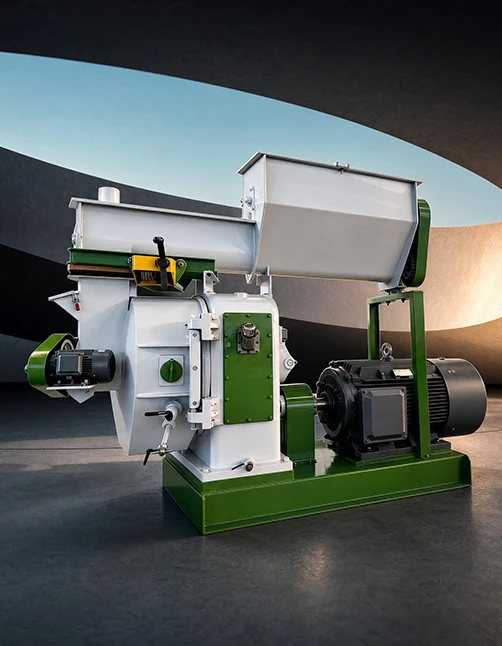
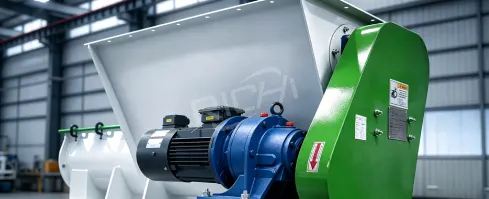
RICHI leaf pellet mills are sold for both small commercial production and larger biomass plants. The MZLH series is the kind of machine you will see in wood, leaf, straw, and mixed biomass projects. For leaf processing, the key selection points are not just “how many tons per hour.” You also need to know bulk density, moisture, fiber length, silica content, and whether the customer will add sawdust or other binders.
Leaf Pellet Production

Capacity
0.2-4T/H

Particle Size
6–12 mm
A single leaf pellet mill can be quoted from about USD 10,000 to USD 100,000. Capacity ranges from 0.3 to 5 t/h per machine, and pellet diameter can be 2–12 mm. Common pellet sizes are 6 mm, 8 mm, and 10 mm. If you need a complete line, the price moves quickly because you may need a hammer mill, dryer, conveyors, cooler, screen, and packing scale. My advice: do not buy the biggest mill first. Test your leaves. Then size the line around real data.
Leaf Pellet Production
RICHI leaf pellet machine is used to process leaves into biomass fuel pellets. By adjusting the die, you can produce pellets of various sizes and calorific values to meet different combustion standards.
What Is a Leaf Pellet Mill?
A leaf pellet mill is a biomass pellet machine designed to compress leaves, branches, and various garden or agricultural residues into pellets. Leaf and biomass mills generally run with less or no steam, use wear-resistant alloy dies, and rely on high torque, low-speed motors.
The machine is often called a ring die leaf pellet maker because the main working parts are a ring die and cylindrical press rollers. It can be sold as a single unit or integrated into a full leaf pellet production line with crushing, drying, conveying, cooling, screening, and packing equipment. If your raw material is inconsistent, the line matters as much as the mill.
I’m ready to try leaf pelletizing.
Contact our experts to learn more.
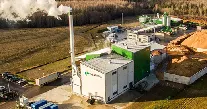
Biomass fuel pellet plant
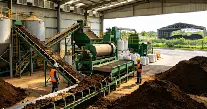
Organic fertilizer plant

Biomass fuel pellets

Animal bedding

Raw Materials Suitable for a Leaf Pellet Mill
Not every leaf pellets the same. Fiber, silica, wax, moisture and bulk density decide whether you get hard fuel pellets or a blocked die. So test small batches first. Always.

Maple Leaves
Thin, dry, fibrous; pellet well, but can bridge in hopper.
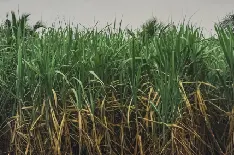
Sugarcane Leaves

Sugarcane Leaves
Long, tough fibers; pre-crush hard, blend with sawdust for strength.

Palm Leaves
Palm Leaves
Waxy, tough, high silica; wear dies; slow feed, sharp cutters.

Autumn Leaves
Autumn Leaves
Ideal dry feedstock; low moisture, easy crush, good natural binder.

Corn Leaves
Corn Leaves
Light, bulky, moderate fiber; blend denser material to avoid blockage.
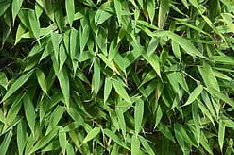
Bamboo Leaves
Bamboo Leaves
Thin, slick, low density; preheat die, add sawdust for binding.
Other leaves can also be tried: oak, pine needles, coconut, tea, willow, apricot, acacia, birch, mango, guava, and kenaf core. But “can be tried” is not the same as “will run all day.” Mixing materials often helps.
These pellets, processed from leaf-based biomass waste, can be used not only for combustion but also frequently as organic fertilizer and animal bedding.
How the leaf pellet mill Works
Video beside this section: leaf pellet mill running and producing dense fuel pellets.
In a ring die leaf pellet mill, the main parts are the ring die and cylindrical rollers. Raw material is mixed and conditioned in the bin, then fed by a screw conveyor.
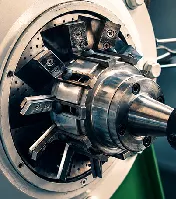
A leveling plate spreads it evenly between die and rollers. The ring die rotates; the rollers turn only by friction. Material is squeezed through die holes, extruded as rods, and cut by fixed knives outside the die. Moisture, feed rate and die clearance decide pellet quality. If feed is too wet, pellets crack.
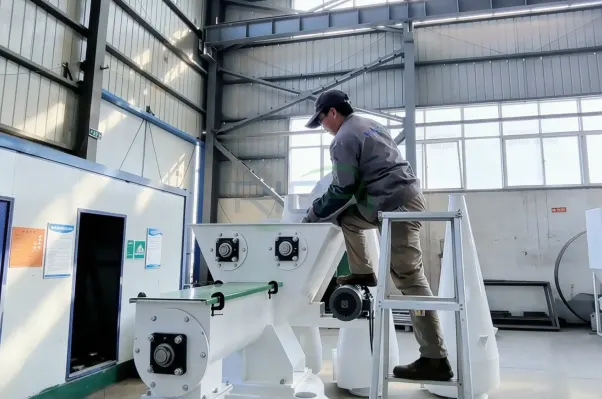

We provide free factory‑on‑site testing for customers. Bring your leaf raw materials samples, and we can run real tests on our leaf pellet machine so you can check pellet quality and machine performance before placing your order.
Superior Performance
of the Leaf Pellet Mill
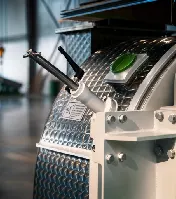
From the feeder to the ring die, every component is designed with the specific characteristics of leafy raw materials in mind.
Feeding and anti-blocking
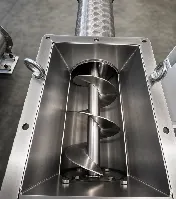
Leaves are bulky and bridge easily. A timer feeder or variable-frequency feeder controls the feed rate. The stainless steel forced feeder spreads material into the die chamber more evenly.

Durable Ring Die
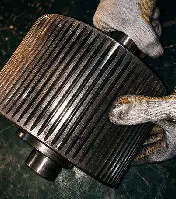
42CrMo alloy ring die, vacuum heat treated. It resists abrasion and keeps holes smooth—key for dense, crack-free leaf pellets.
Long Roller Life
Roller assembly uses alloy steel shells and SKF bearings. In our experience, this lowers vibration and extends service life in continuous production.
Stable gear drive
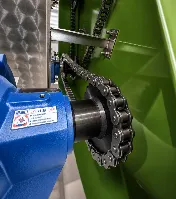
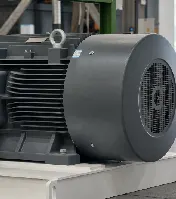
A high-precision gear drive is used instead of a belt drive on many models. It is usually about 15% more efficient, and it gives you steadier torque when the leaf mix gets tough.
Low Downtime
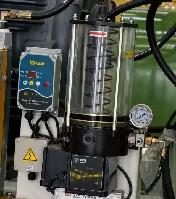
Safety pin, interlock, and observation ports protect the main shaft. Daily greasing and quick die changes keep downtime low on site.
Automation, capacity, and layout.
A modern leaf pellet mill can be equipped with smart controls, one-key start, and continuous stable production. This reduces manual intervention, but it does not remove the need for an operator who understands moisture and feed rate.
Small plants like the compact layout; larger plants want automation. Capacity from 0.3 to 5 t/h per machine.



Various Capacities
Below are MZLH ring-die models for leaf fuel pellets. Capacities are based on dry leaf, 2–12 mm pellets, and stable feeding. Your local moisture and die compression can shift output.
| Model | MZLH320 | MZLH350 | MZLH420 | MZLH520 | MZLH678 | MZLH768 |
| Main Motor Power(kw) | 22 | 37 | 90 | 132 | 200 | 250 |
| Arch-breaking Feeder Power(kw) | 2.2 | 2.2 | 3 | 3 | 3 | 4 |
| Forced Feeder Power(kw) | 0.75 | 0.75 | 1.5 | 1.5 | 1.5 | 1.5 |
| Ring Die Inner Diameter(mm) | 320 | 350 | 420 | 520 | 673 | 762 |
| Finished Particle Diameter(mm) | 4~12 | |||||
| Output(T/H) | 0.2-0.3 | 0.3-0.5 | 1.0-1.2 | 1.5-2.0 | 2.5-3.0 | 3.0-4.0 |
You can achieve your target output by selecting the appropriate leaf pellet mill model or using pelletizers in parallel; we offer a wide range of configurations—including basic, low-spec, standard, high-spec, fully automatic, semi-automatic, and PLC-controlled systems—to meet your needs.
Leaf Pellet Mill Delivered Worldwide
In practical operations, leaves are often processed alongside other biomass feedstocks—such as stalks, sawdust, wood shavings, and rice husks—to produce biomass fuel pellets, organic fertilizer pellets, or animal bedding pellets. Below are examples of production lines we have successfully delivered.
PREVIOUS
NEXT
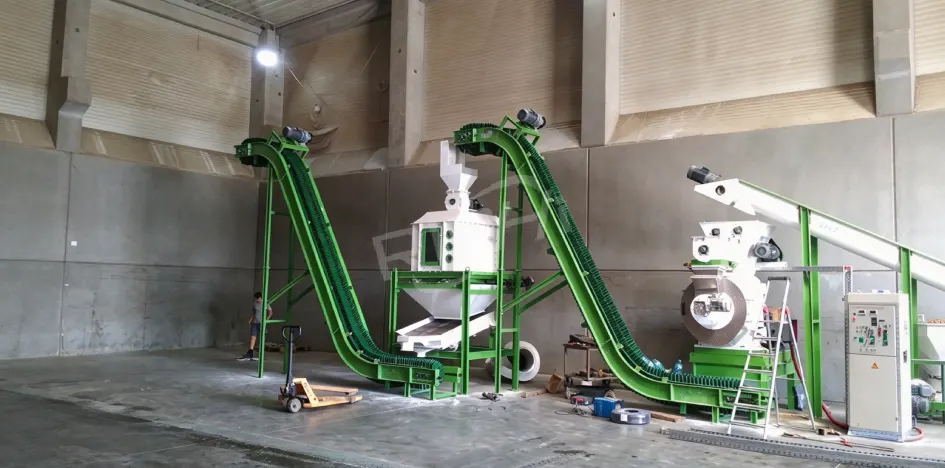
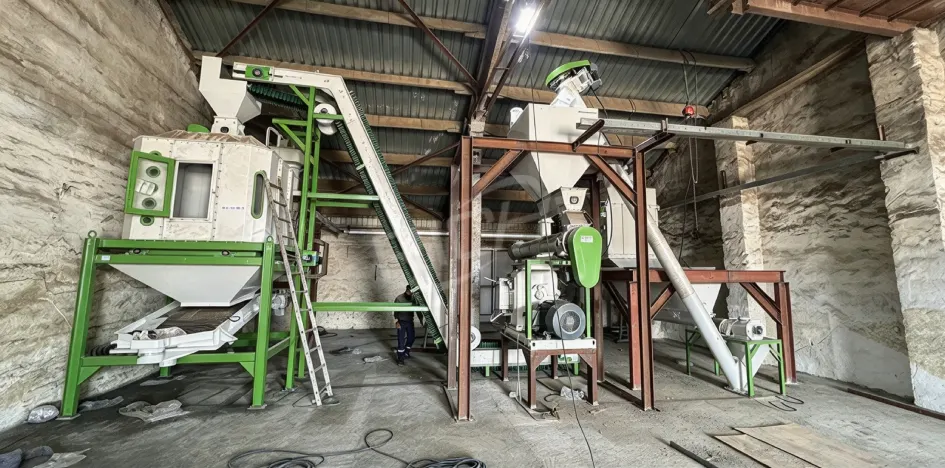
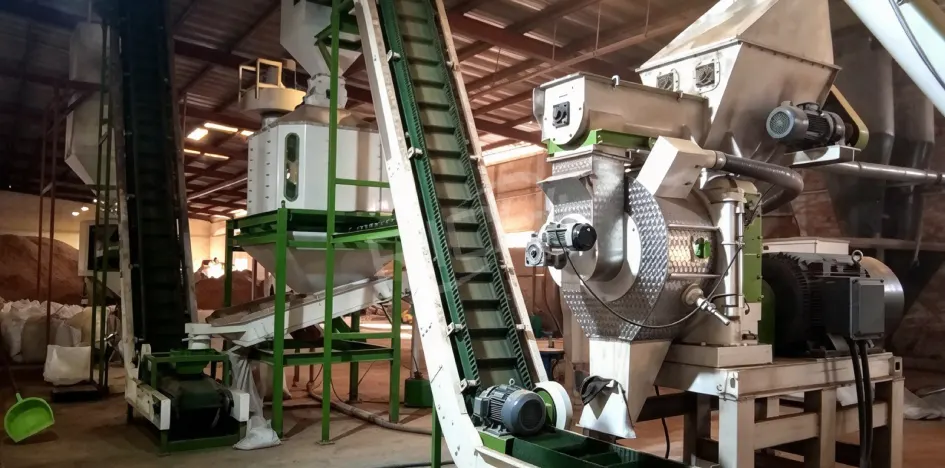
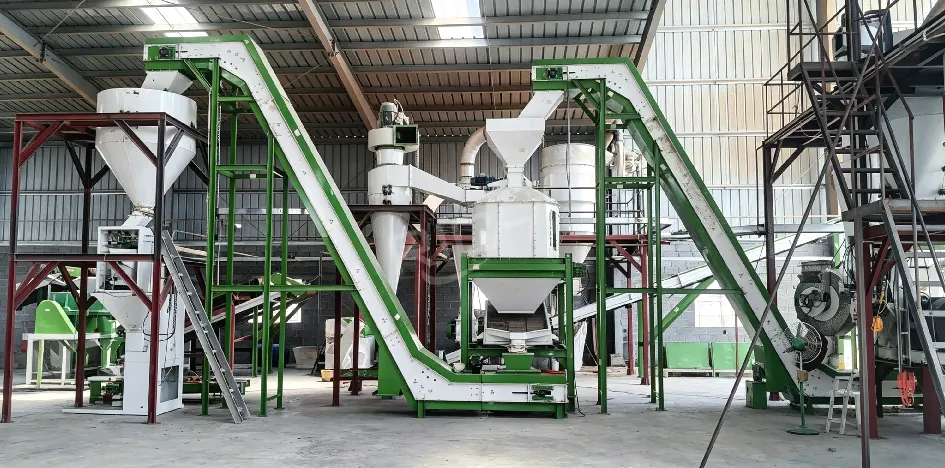
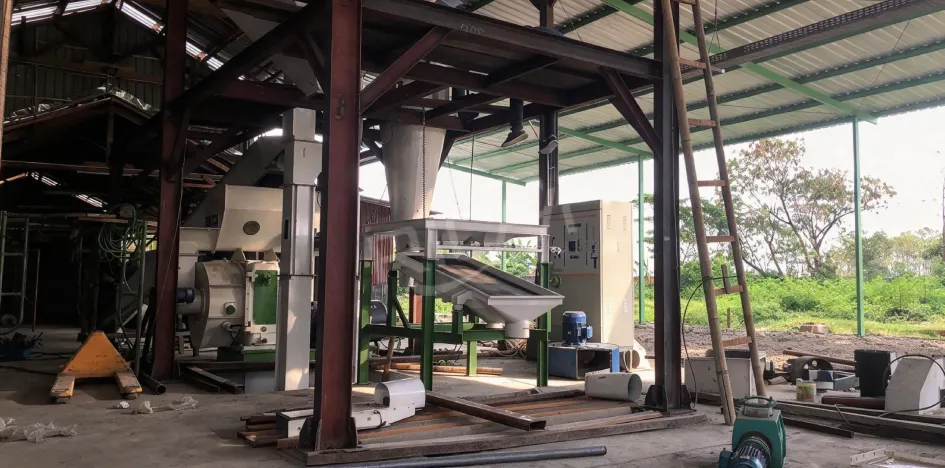
From tropical broadleaves, palm fronds, and rubber leaves found in the high-humidity environments of Southeast Asia to the fallen leaves of cold-hardy trees in the freezing regions of Siberia, our leaf pellet mills and complete production lines are capable of processing diverse leaf-based biomass waste from various countries and climates. We tailor the crushing, drying, and mold-resistant storage systems to local temperatures, humidity levels, and raw material characteristics, effectively addressing challenges such as high seasonal moisture content, tough fibrous textures, and equipment operation in low-temperature environments.

Why Turn Leaves into Pellets?
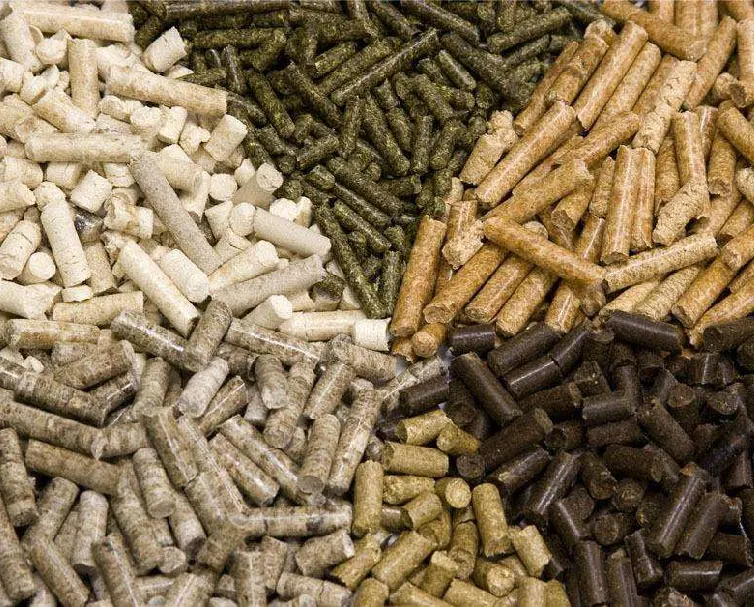
Loose leaves are a transport nightmare. Bulk density is around 180 kg/m³, and they take up huge volume. Leaf pellets can reach at least 650 kg/m³, so the volume drops to roughly one quarter. That makes storage, handling, and trucking far more practical.
Leaf
As fuel, leaves have real advantages. They are abundant, easy to get, and often cheap. At the same time, they are high-fiber, so they can form strong pellets when processed correctly. They burn fairly evenly and have decent heating value. Ash and smoke are lower than many people expect, though ash depends on species and contamination. Biomass energy is considered carbon-neutral, and it can reduce greenhouse gas emissions and air pollution compared with open burning.
Fuel
There are trade-offs. Leaves are seasonal. Moisture changes fast. Silica and dirt increase die wear. Pure leaf pellets may be fragile unless you blend them. But for a local fuel market, a leaf pellet line can turn a disposal problem into a saleable product.
How to Make Leaf Pellets
Start with testing, not with a full truck of leaves.
01 Collect and sort
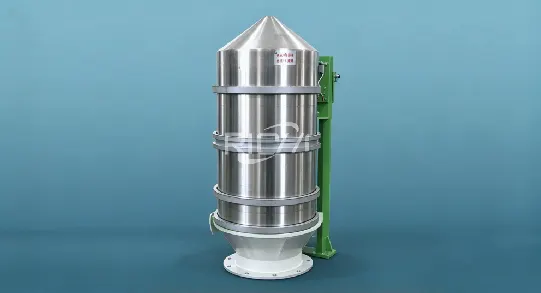
Remove stones, metal, plastic, and long branches. Metal will kill a die faster than bad leaves ever will.
TCXT Series Permanent Magnetic Drum, XGCT Series Suspended Magnetic Separator, SCY Series Rotary Pre-cleaner
Learn more →
02 Crush to size
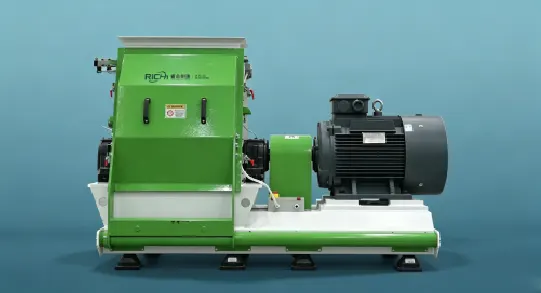
Leaves should be reduced to below 5 mm before entering the mill. If the material is too coarse, the die clogs and output drops.
SFSP Teardrop-style Hammer Mill
Learn more →
03 Control moisture
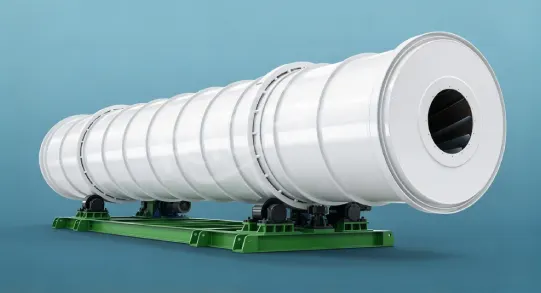
Mixed leaf biomass usually wants 10–15% moisture. Pure leaf pellet tests have shown best results around 5% moisture, but that is a lab-style parameter, not a general line setting. Green leaves need drying; bone-dry leaves may need slight wetting.
WDHG Mesh-belt Circulating Dryer, DHG Mesh-belt Dryer, Rotary Drum Dryer
Learn more →
04 Start pelletizing
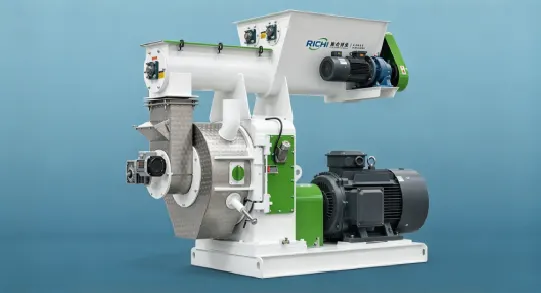
Feed slowly at first. Increase feed only when pellets come out stable and the mill load stays steady. Early pellets may crack; after the die warms up, quality usually improves.
MZLH Leaf Pellet Mill
Learn more →
05 Cool the pellets
Fresh pellets are hot and soft. Cool them to room temperature before storage, or they will sweat and mold.
SKLF Flap-type Counterflow Cooler, SKLY Impeller-type Counterflow Cooler
Learn more →

06 Screen the pellets
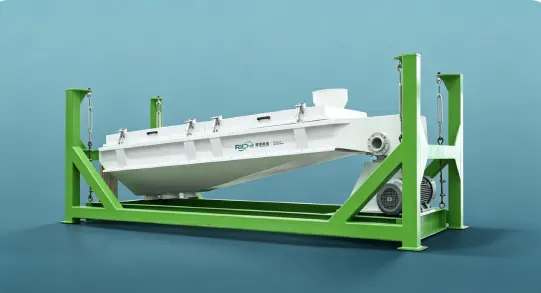
Remove fines and oversized pieces. Good pellets should be uniform. Fines can be recycled.
TBLMa Series Pulse Dust Collector, SFJZ Series Vibrating Screen, SFJH Series Rotary Grading Sieve
Learn more →
07 Pack and store
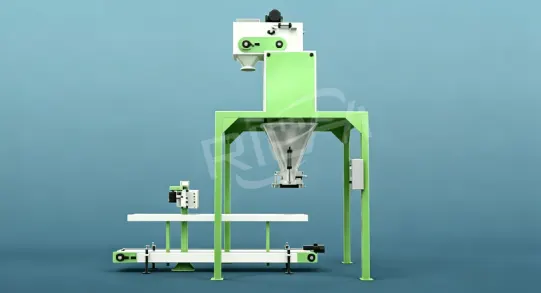
Bag pellets in a dry place. Moisture is the enemy. If you cannot use them immediately, keep them sealed and off the floor.
DCS Series Fully Automatic Packaging Scale
Learn more →
Mix additives if needed. Leaves contain lignin, but often not enough for a hard pellet. Add sawdust, wood flour, or another binder. This improves durability and reduces fines.
FAQ About Leaf Pellet Production
In our inbox, buyers ask the same practical questions before buying a leaf pellet mill. Can a mixture of various types of leaves be used? What capacity can one machine reach? Do I need a dryer or hammer mill? Below are answers from our engineers and real project sites. Use them as a starting point—then send us your raw material details for a tailored quote.
How much does a leaf pellet mill cost?
→
A single machine can range from about USD 10,000 to USD 100,000. Complete lines cost more. Capacity, automation, motor power, die size, and auxiliary equipment drive the price.
Can you pellet pure leaves?
→
Sometimes, but it is not the easiest route. Pure leaf pellets may need very specific moisture, pressure, and particle size. In many projects, sawdust is added to improve binding.
What moisture is best for leaf pellets?
→
For mixed biomass leaf pellets, keep material around 10–15%. Pure leaf tests have shown around 5%, but field conditions usually demand a practical range, not a single number.
Why do my leaf pellets crack?
→
Common causes are wrong moisture, cold die, too fast feed, insufficient binder, or too much fine dust. Preheat the die and slow down.
Why does the leaf pellet mill block?
→
Material bigger than 5 mm, too wet or too dry feed, high silica content, or feeding too fast. Check crush size first, then moisture, then feed rate.
What pellet size should I make?
→
Common sizes are 6 mm, 8 mm, and 10 mm. The mill can often produce 2–12 mm, but the market usually prefers one or two standard sizes.
Do I need a dryer?
→
It depends. Fresh green leaves usually need drying. Dry autumn leaves may not. If moisture is above 15%, drying is usually necessary before pelletizing.
Can green leaves be pelletized directly?
→
Not well. Green leaves are high in moisture and low in structure. Dry or wilt them first, then crush and blend.
How should I store leaf pellets?
→
Cool them, screen them, bag them, and keep them dry. Moisture pickup ruins fuel quality and encourages mold.
Is a leaf pellet mill the same as a wood pellet mill?
→
They are close relatives. Both use ring dies and rollers, but leaf material is lighter, bulkier, and more variable. Die compression, feeder design, and moisture control often need adjustment.
Still unsure? Every leaf is different. Moisture, ash, fiber, and local power supply change the line design. Share a sample and your target capacity, and we will recommend the right MZLH model, ring die compression, and full line layout.
More Biomass Pellet Machines
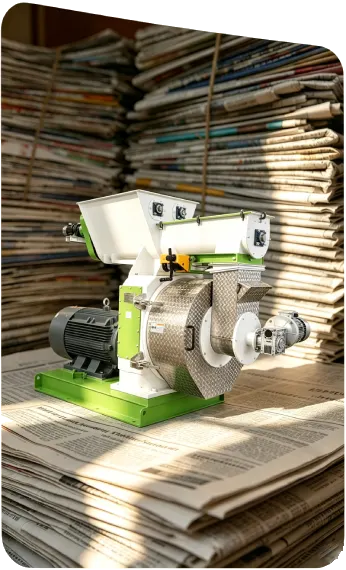
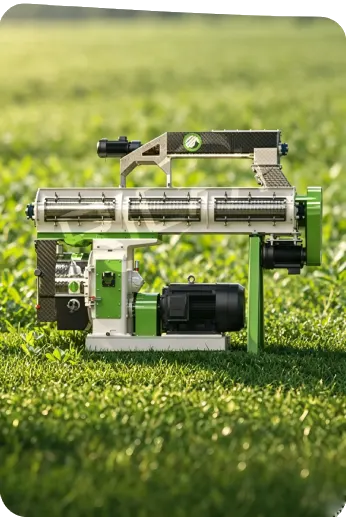
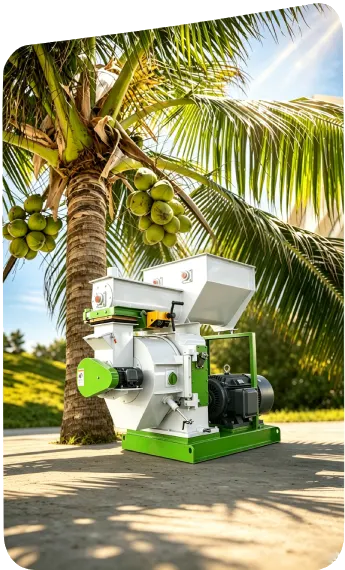
Our leaf pellet mill delivers stable biomass pellet production. We also design specialized pellet mills to process diverse raw materials. Explore our alternative models built for EFB, alfalfa, waste paper and sawdust to match your unique feed, bedding or fuel manufacturing demands.

Who are we?
RICHI Manufacturer Co., Ltd., established in 1995, is a professional manufacturer integrating R&D, manufacturing, design and installation of complete sets of feed machinery engineering, complete sets of biomass pellet engineering, steel silo engineering and automation control.

Certifications & Honors
RICHI has obtained numerous international authoritative certifications, including CE, ISO9001, SGS, German TÜV, Russian RTN, and French BV, and holds 23 patents. The company has been recognized as a Henan Provincial High-Tech Enterprise, a Zhengzhou Municipal "Specialized, Refined, and Innovative" SME, and a member of the Henan Provincial International Trade E-commerce Association.
60,000㎡+
production base
23+
Patents obtained
30+
Years Of Experience
2000+
successful projects
Product System & Global Service
RICHI has developed a diverse and comprehensive product system, covering 15 major series and over 200 products, including feed pellet mills, wood pellet mills, organic fertilizer pellet mills, aquaculture extrusion extruders, and cat litter pellet mills. This system can comprehensively meet the needs of various feed production and biomass pellet processing.
Leveraging a comprehensive international marketing network, its products are sold in 131 countries and regions worldwide, with over 2000 projects implemented and annual exports exceeding 100 million RMB, serving customers globally.