organic fertilizer machine

Multi‑Purpose organic fertilizer machine
Organic fertilizer isn’t one-size-fits-all—and neither are our machines. Chicken manure, cow dung, compost, NPK blends—each feedstock behaves differently. We’ve engineered our organic fertilizer equipments to handle them all. Here’s what we process and what you can produce.
PREVIOUS
NEXT
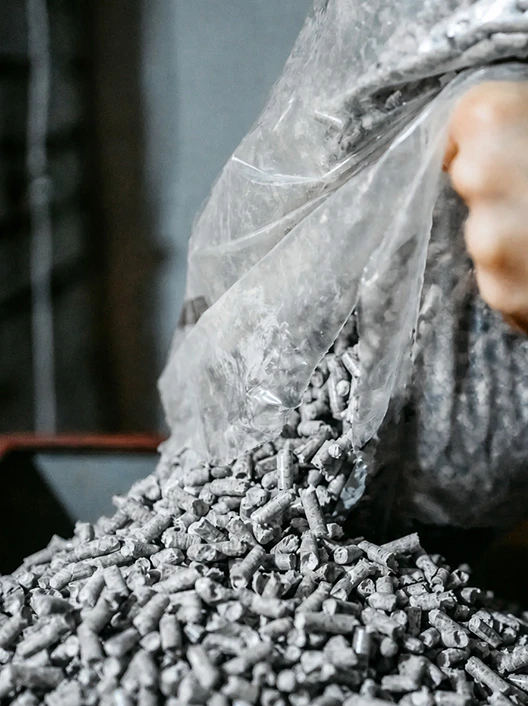
organic fertilizer pellet machine exhibition
From fermented organic waste to uniform fertilizer pellets, whether you need to purchase a single machine or are preparing to build an entire production line, RICHI provides machinery for every stage of the production process.
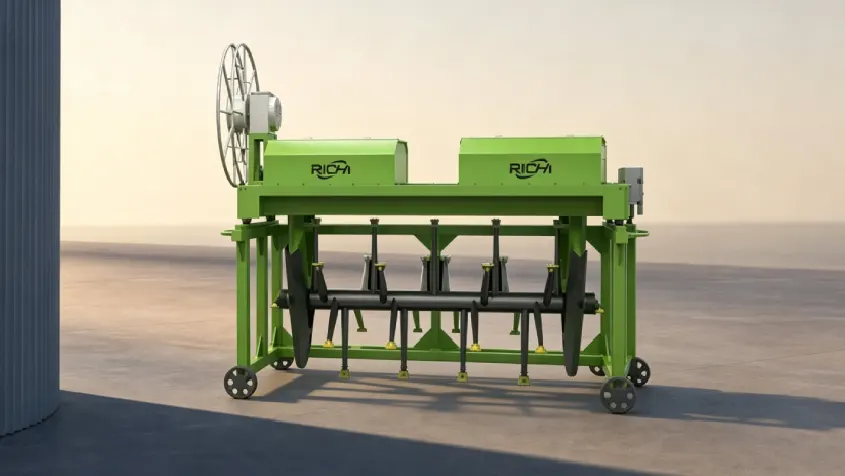
Fermentation System
Periodic turning optimize oxygen and temperature, accelerating decomposition to produce stable, high-quality organic material ready.
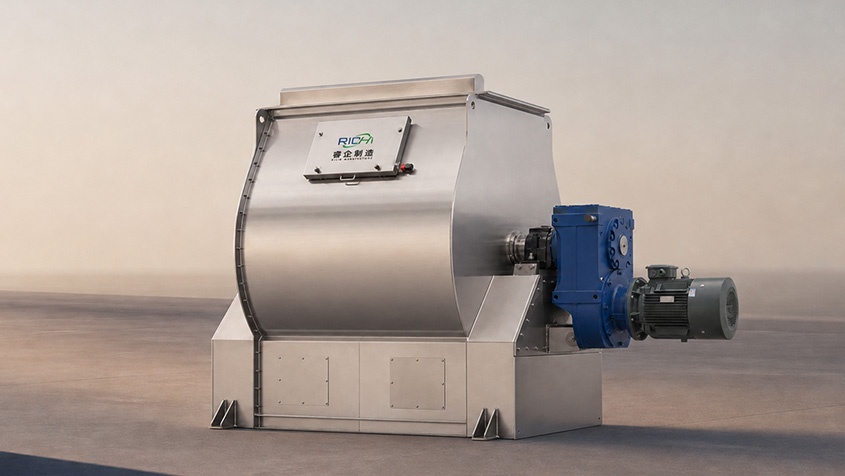
Mixer
Blends various organic materials, ensuring uniform nutrient distribution. Handles sticky, high-moisture inputs with durable construction.
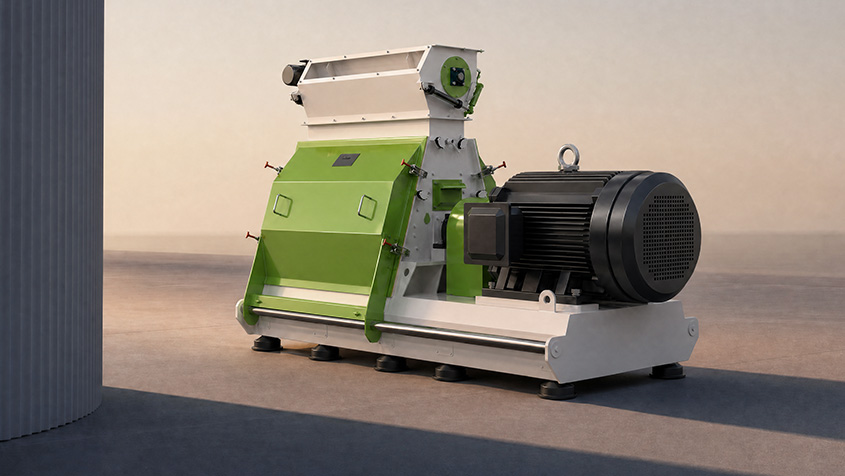
Crusher
Reduces fermented material to a fine, uniform powder. Robust hammers break clumps efficiently, ensuring optimal granulation.
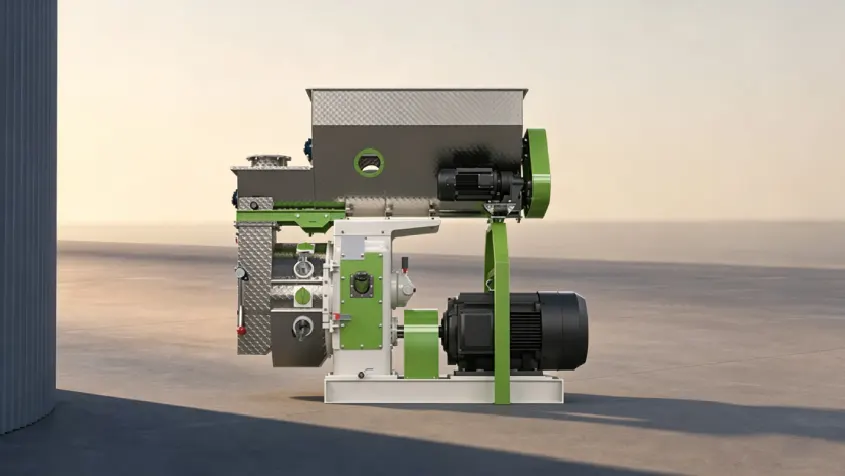
Pellet Mill
Ring-die technology presses powder into dense, uniform pellets and low-maintenance design sustains reliable, high-output production.
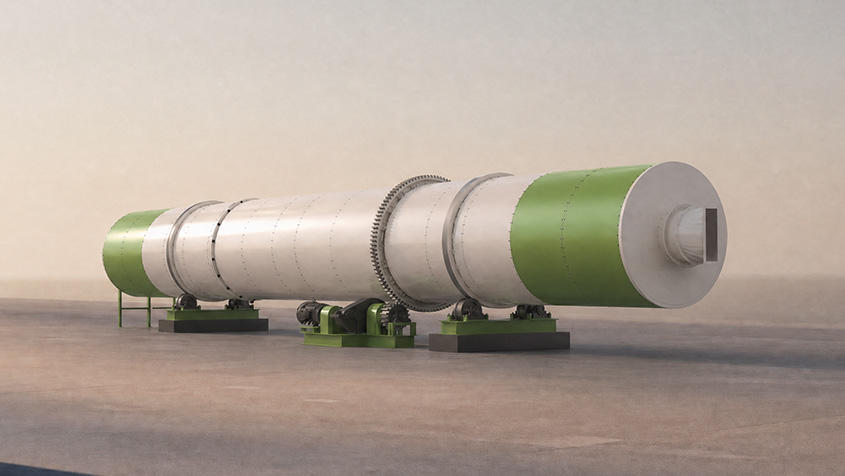
Dryer
Dryer lowers pellet moisture to ideal levels. Minimizes breakage and ensures product stability, enabling long-term storage.
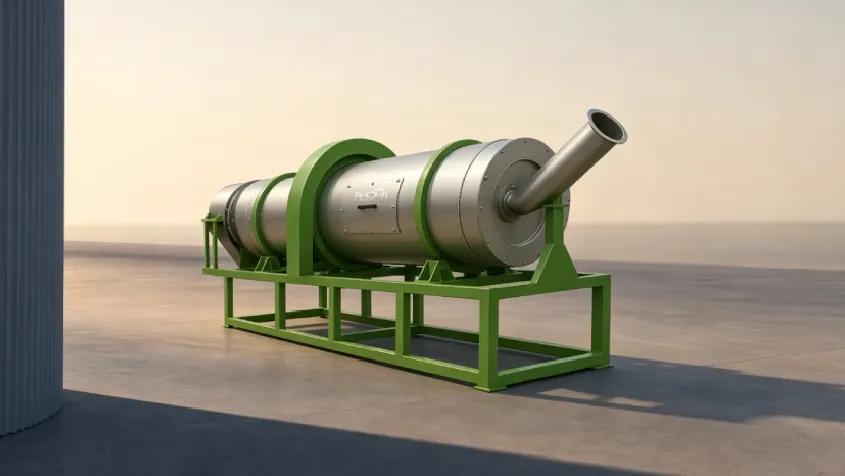
Coater
Applies a protective, uniform layer to prevent caking and enable controlled nutrient release, boosting fertilizer performance and extending shelf life.
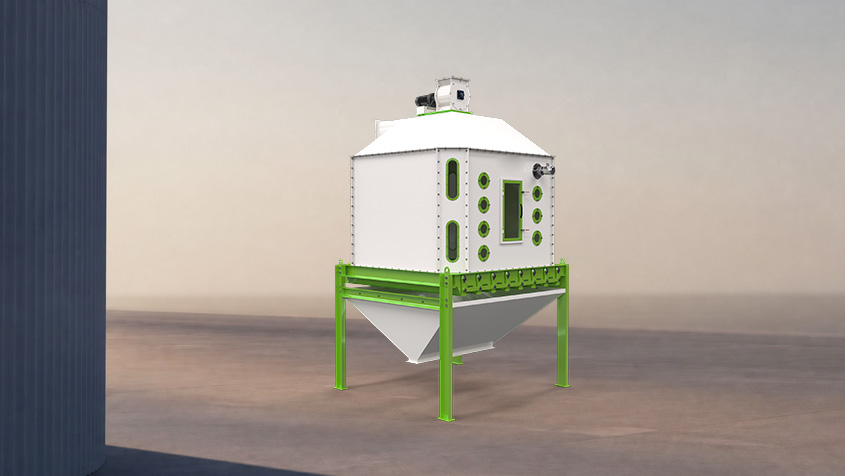
Cooler
Counter-flow cooler rapidly reduces pellet temperature to ambient. Prevents cracking and moisture absorption, ensuring stable storage.
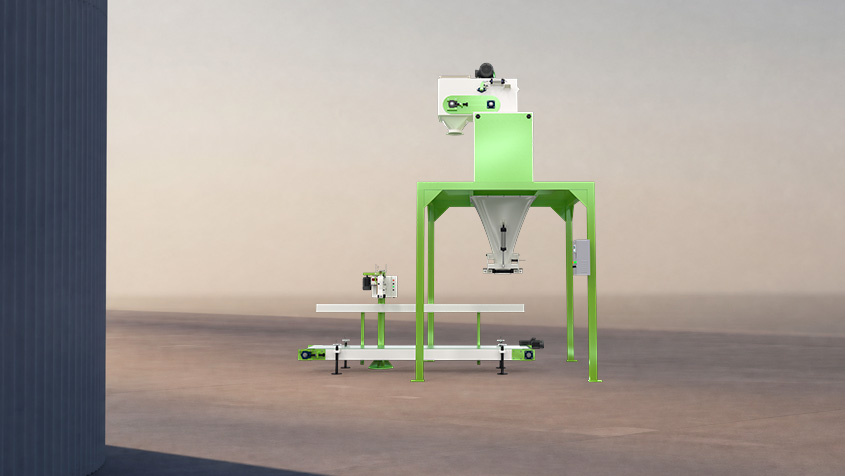
Screener & Automatic Packer
Screener removes fines and oversized particles for reprocessing. Auto packer accurately weighs and bags products, maximizing efficiency.
Our video showcase
We have prepared three real-shot videos for you. They respectively display the internal structure, full test run process of our organic fertilizer pellet mill and the quality of finished pellets, allowing you to fully learn about this organic fertilizer equipment visually.
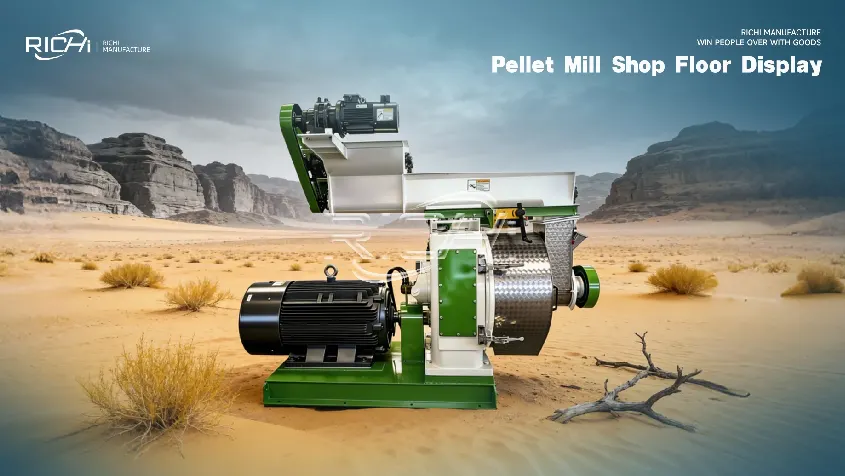

Fertilizer Pellet Mill Internal Structure Display
If you want to check clear real-shot details of each component of the organic fertilizer machine, this video fully displays its complete unit appearance, main driving motor, conditioning mixing blades, ring die, pressing rollers and other core granulating parts. It intuitively shows the internal structure and real workshop layout of the pellet mill.
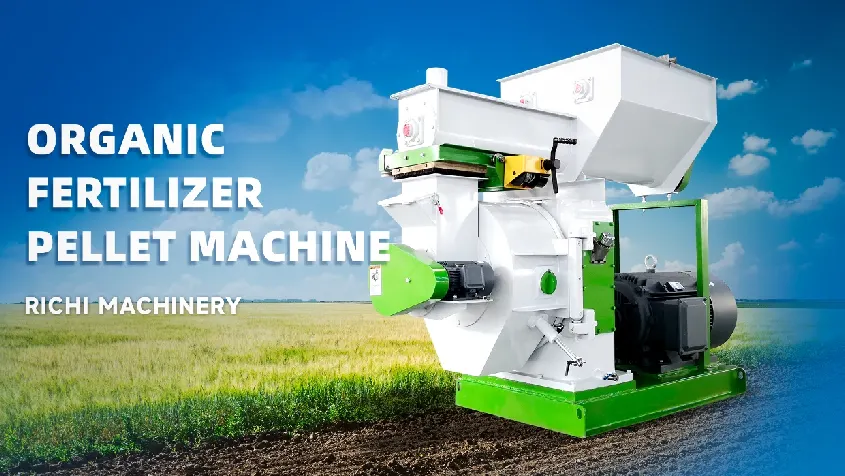
Fertilizer Pellet Mill Test Run
This test run video fully shows the whole granulating process of our organic fertilizer machine. It records the whole operation from feeding raw organic compost materials into the machine to discharging well-shaped fertilizer pellets, intuitively demonstrating the stable working performance and good forming effect of the equipment.
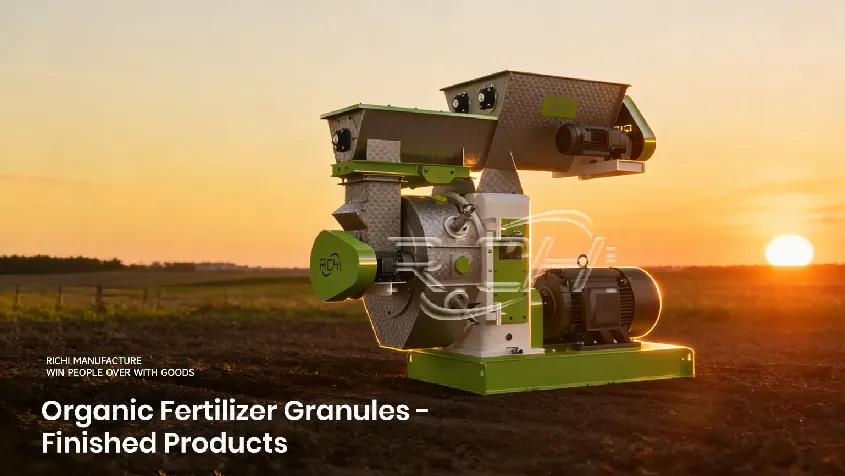
Organic Fertilizer Pellets Quality Display
You can directly observe the quality of finished organic fertilizer pellets in this real-shot video. It records the whole discharging process of the organic fertilizer pellet mill and shows close-up shots of uniform, solid and hard-to-break pellets, fully demonstrating the stable granulating performance and premium finished output of our machine.
Organic Fertilizer pellet Machine for sale
From poultry litter to compound blends, our granulators turn messy organics into market-ready pellets. We have spent years refining these machines on-site with farmers across Asia, Africa, and Latin America. Below is what each type actually does in daily operation.
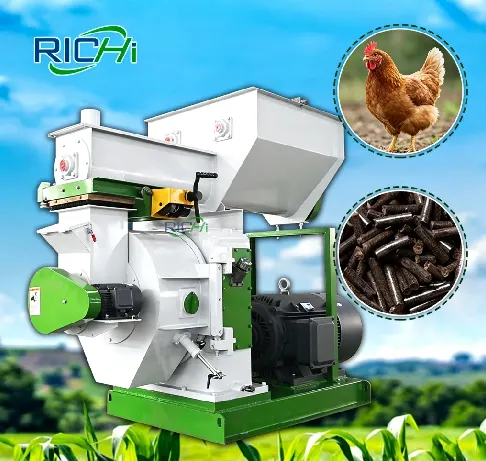
Stable Running
Chicken Manure Pellet Machine
Fresh layer litter runs 30–40% moisture. Our ring-die design compresses it without pre-drying—saving fuel and labor. On-site tests show stable output even when feed varies. The key? Low compression ratio and alloy die.
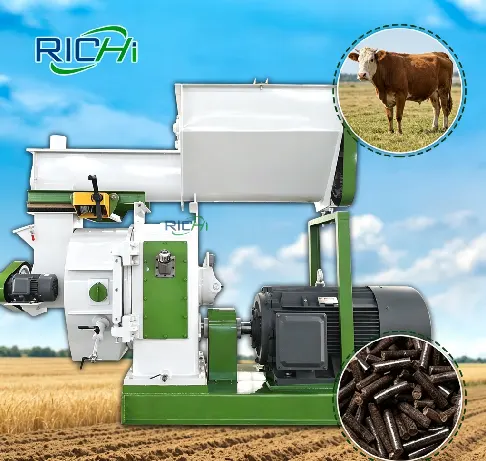
High-yield
cow dung pellet making machine
Dairy waste is fibrous and heavy—standard granulators choke. Ours doesn’t. The forced feeder pushes evenly; the heavy-duty gearbox delivers torque without overheating. You only need to pay attention to changing the mold regularly.
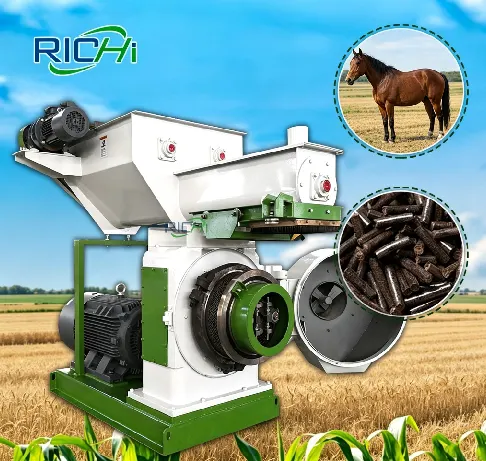
Smooth Pellet Shape
horse manure pellet maker
Bedding mixed with manure creates unpredictable clumps—a nightmare for machines. Our dual-roller system breaks those clumps before compression, delivering uniform 4–8mm pellets. Stables turn waste into sellable fertilizer in under two hours—dump to bag. ROI.
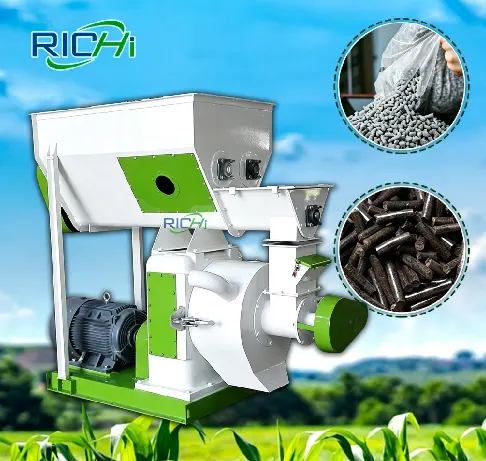
Cost-effective
npk fertilizer granulator
Compound blending demands precision—over-wet gives mud; over-dry gives dust. This unit runs a dedicated binder spray and the stainless contact parts eliminate cross-contamination between batches—critical when blending for different crops.
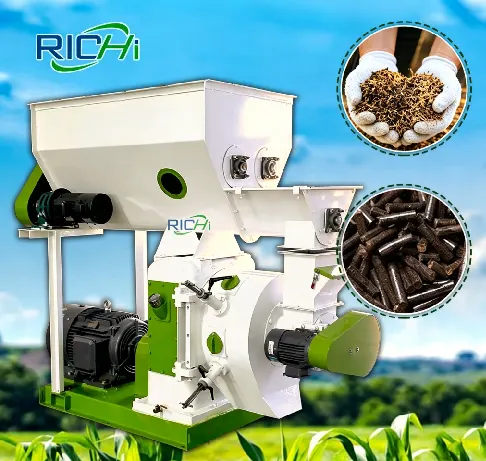
Commercial Grade
compost pellet machine
Aged compost holds 25–35% moisture and tends to bridge in the hopper during loading. Our anti-bridging agitator keeps material flowing smoothly; the variable-speed feeder matches your consistency with ease—wet or dry, coarse or fine.
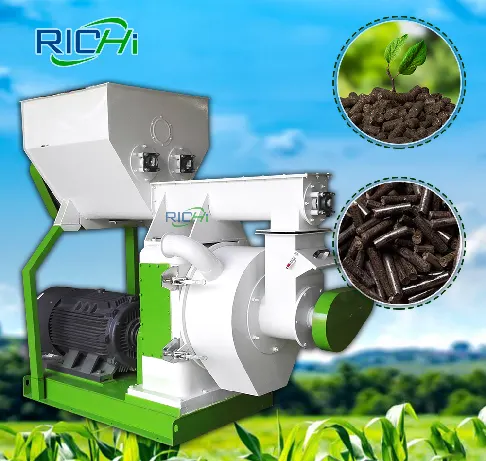
Wide Raw Material
organic fertilizer granulator
This is our workhorse for mixed organic streams—manure, crop residue, green waste, you name it. The heavy-duty die and rollers use wear-resistant alloy. Reliable and durable, it can withstand high-intensity daily use.
PREVIOUS
NEXT
Core Components – Built to Last
An organic fertilizer manufacturing machine lives or dies by its components. Sticky manure and abrasive residues test every part. Here’s what we’ve learned matters most—and why our customers keep coming back.
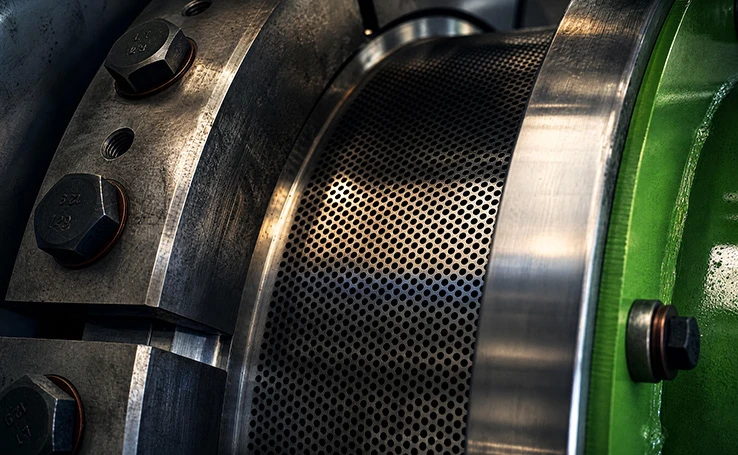
Ring Die – The Business End
The ring die determines pellet size, density, and output. For organic fertilizer, we use wear-resistant alloy steel—it handles the abrasion from sand, grit, and high-fiber residues. Compression ratios are kept low to prevent clogging with wet, sticky materials. Get this wrong, and you’ll be replacing dies immediately.
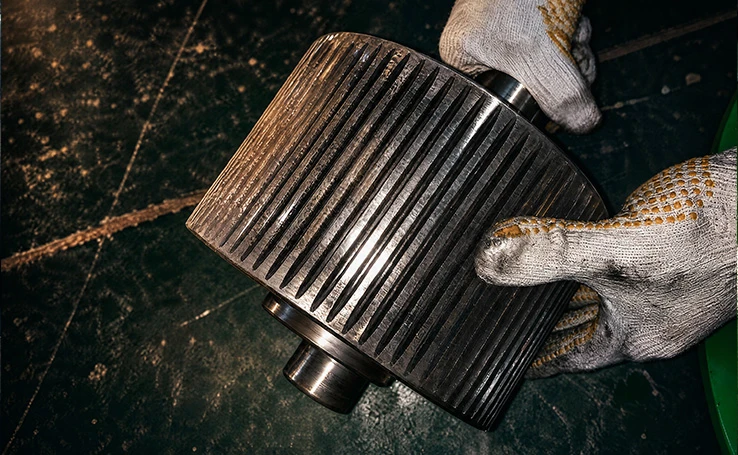
Roller Assembly – Grip Under Pressure
Rollers press material through the die holes. Our shells use hardened alloy steel with textured surfaces that bite into sticky feedstocks. The eccentric shaft lets you adjust the gap. The sweet spot — die turns, roller spins occasionally. On-site, we’ve seen proper gap adjustment extend ring die life significantly.
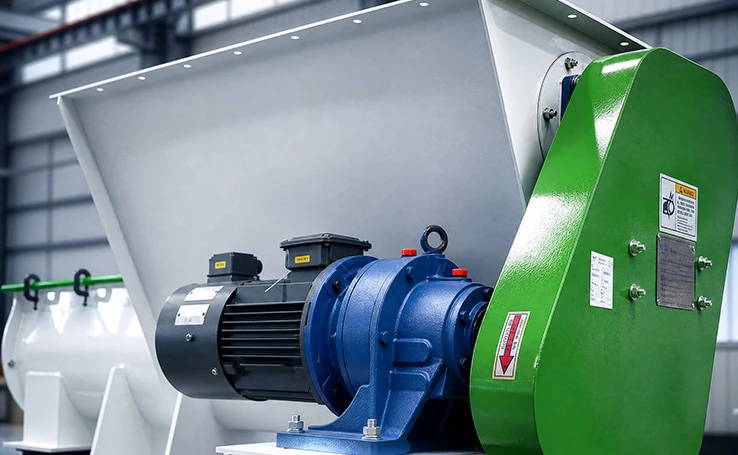
Anti-Bridging & Forced Feeding – Keeping Material Moving
Organic feedstocks don’t flow like grain. They bridge, they clump, they stick. Our anti-bridging feeder breaks up material; the forced feeder pushes it into the compression chamber. In daily production, this system prevents the blockages that plague standard organic fertilizer machine processing wet manure.
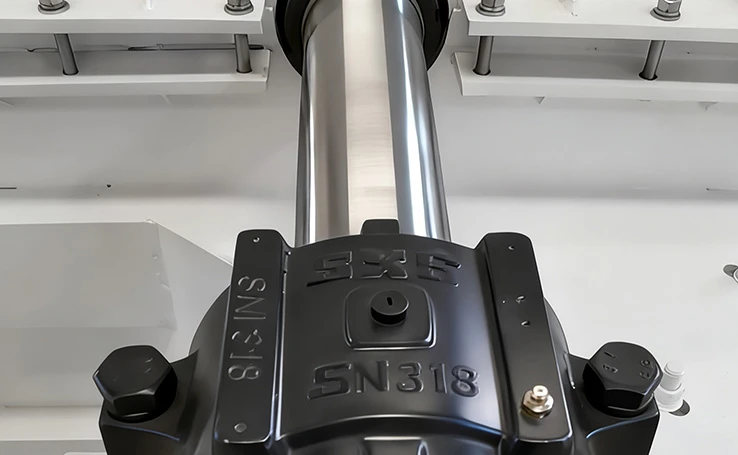
Gearbox & Safety Protection – Power with Protection
We use high-precision gear transmission—not belts—with hardened gears and robust housing. Efficiency runs about 15% higher than belt-driven alternatives. The safety pin? That’s your insurance—if a hard object enters, the pin breaks and kills power before serious damage occurs.

Wide Application Scenarios of fertilizer production machine
Organic fertilizer manufacturing machines aren’t just for fertilizer plants. They’re for anyone sitting on manure, compost, or organic waste that could become valuable product. Contact us for a organic fertilizer machine price.
Livestock & Poultry Farms
Farms produce manure—lots of it, every single day. Instead of stockpiling or paying for disposal, organic fertilizer equipments turn that waste into sellable fertilizer. On farms we’ve worked with, this has cut waste management costs and created a new revenue stream. The pellets are easier to store, transport, and apply than raw manure in bulk.
Agricultural Cooperatives
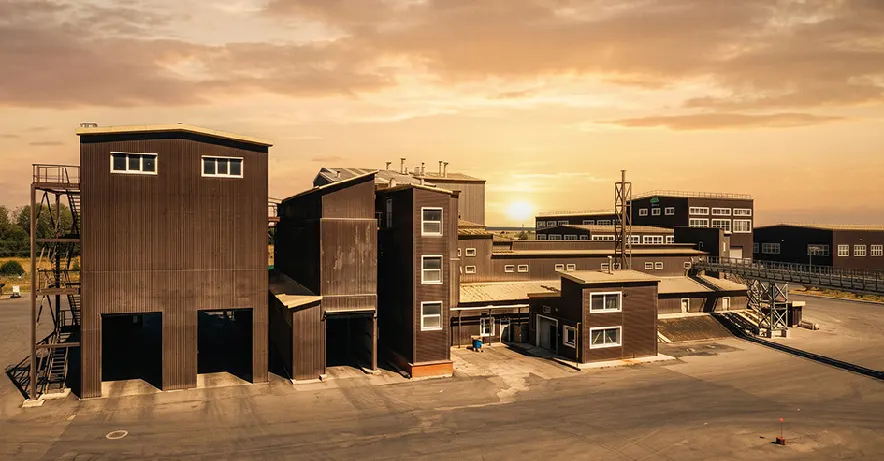
Cooperatives serving hundreds of smallholder farmers across the region can aggregate organic waste and process it centrally. Instead of selling raw compost, they produce standardized pellets that command higher prices. We’ve installed systems that now supply local markets with consistent, high-quality fertilizer—reducing members’ input costs and steadily building brand loyalty.

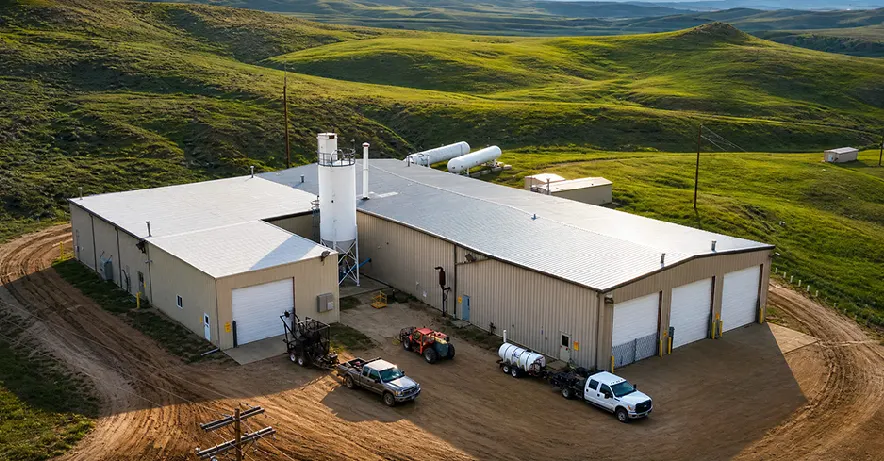
Municipal Waste Management
Cities generate tons of organic waste—food scraps, yard trimmings, green waste. Landfilling is expensive and environmentally costly. Pelletizing offers an alternative: reduce landfill volume, generate renewable soil amendments, meet sustainability targets. We’ve partnered with municipal projects across Europe processing diverse feedstocks into consistent fertilizer pellets.

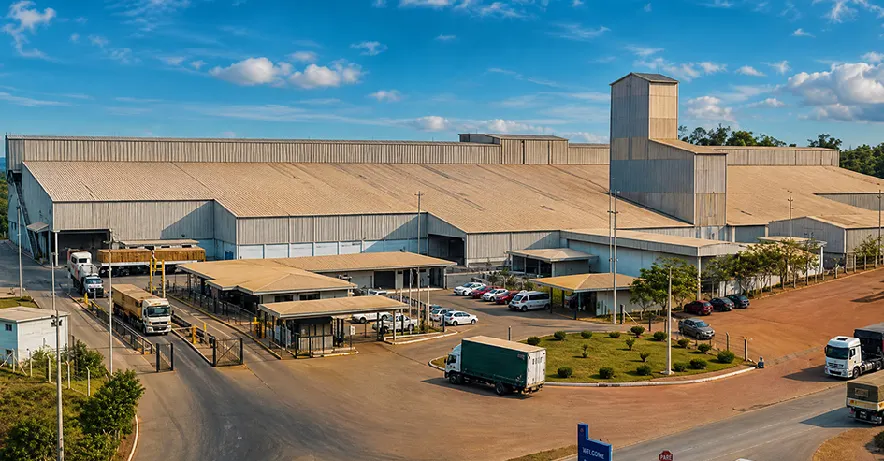
Commercial Composting Operations
Composting is the first step; pelletizing is the value-add. Commercial composters can upgrade from loose product to standardized pellets that store longer, transport cheaper, and command premium prices. The FZLH series integrates with existing drying and mixing equipment—no need to replace everything. In our experience, this modular approach offers the fastest path to profitability.
PREVIOUS
NEXT
Global Case Studies
From Morocco to Poland, RICHI fertilizer production machines are turning animal manure and agricultural waste into premium products—proving that sustainable agriculture starts with the right equipment.
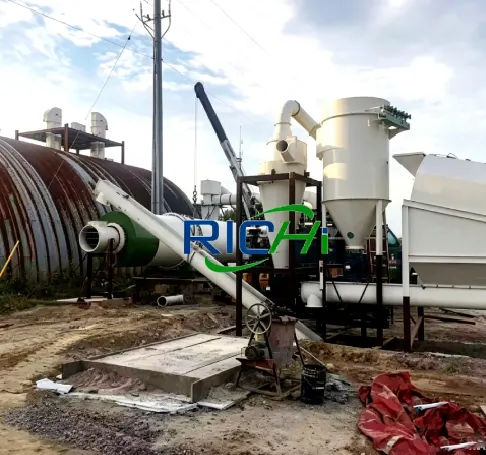
Morocco: 7–8T/H Urea Compound Fertilizer Dry Extrusion Line
A Moroccan client needed medium-capacity compound fertilizer production—without the energy cost of drying. We delivered a dry extrusion line that runs on simple blending, pressing, and screening. Installed in an existing 4,000m² building, it produces 20,000 T/Y of NPK pellets.
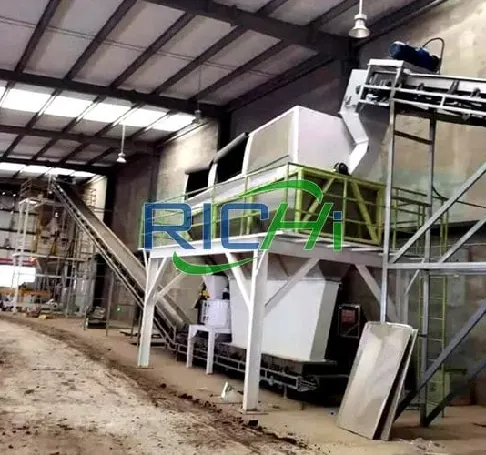
Argentina: 8T/H Agro Waste Powder Organic Fertilizer Line
An Argentine agri-supplier turned rice husks, sugarcane bagasse, and pond sludge into 20,000 T/Y of organic and microbial fertilizer powder. No complex machinery—just biological activity doing the work. The 8 T/H line serves local cooperatives and organic farms.
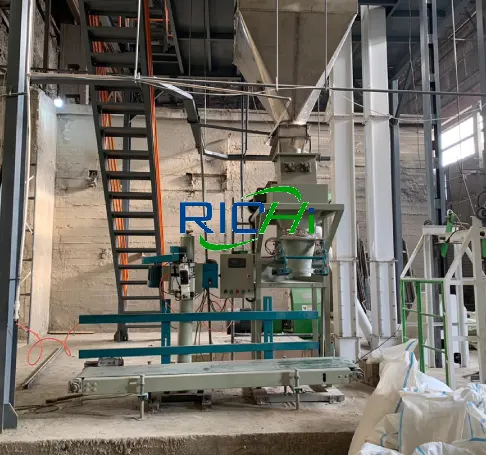
Poland: 10–12T/H Cow Manure Compost Powder Production Line
A Polish dairy cooperative faced mounting manure disposal costs. We delivered a 10–12 T/H compost powder line processing fresh cow manure with sawdust and peat. Fermentation, drying, screening—the full cycle. The operation now supplies local farms with quality organic soil amendments.
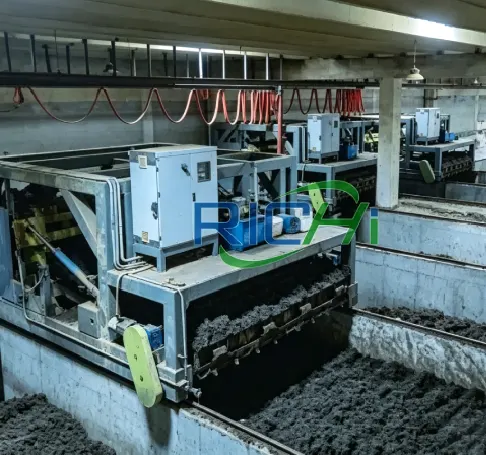
Russia: 15–20T/H Pig Manure Compost & Organic Compound Fertilizer Line
A Russian pig farmer with 50,000 head needed to turn 18,000 T/Y of fresh manure into profit. We designed a winter-proof line—insulated fermentation bays, forced aeration, chain turners—to mix pig manure, sawdust & peat. Running strong through -25°C winters.
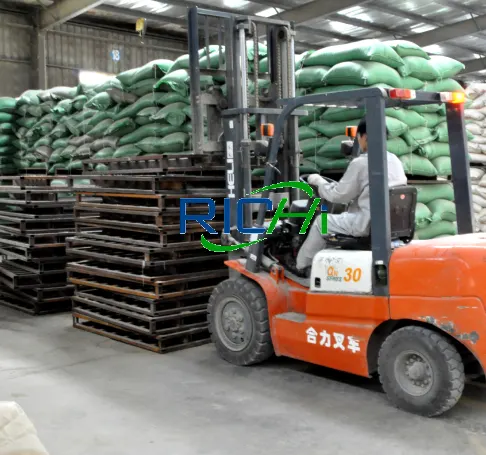
USA: 10–15T/H Chicken Manure Organic Fertilizer Processing Line
A US producer invested a 10–15 T/H line processing chicken manure with bran, humic acid, and rapeseed meal. High-temperature fermentation ensures pathogen elimination. The line serves the growing US ecological farming sector—replacing chemical fertilizers with sustainable alternatives.
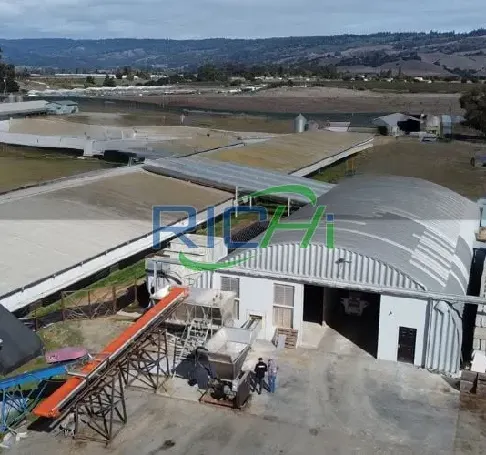
Malaysia: 50T/H Industrial Sludge Powder Organic Fertilizer Turnkey Plant
This Malaysian facility processes municipal and industrial sludge—from palm oil mills, paper plants, and wastewater treatment—at 50 T/H. Mixed with wood waste and agricultural residues, the material undergoes forced-aeration composting, maturation, and screening.
PREVIOUS
NEXT
Who are we?
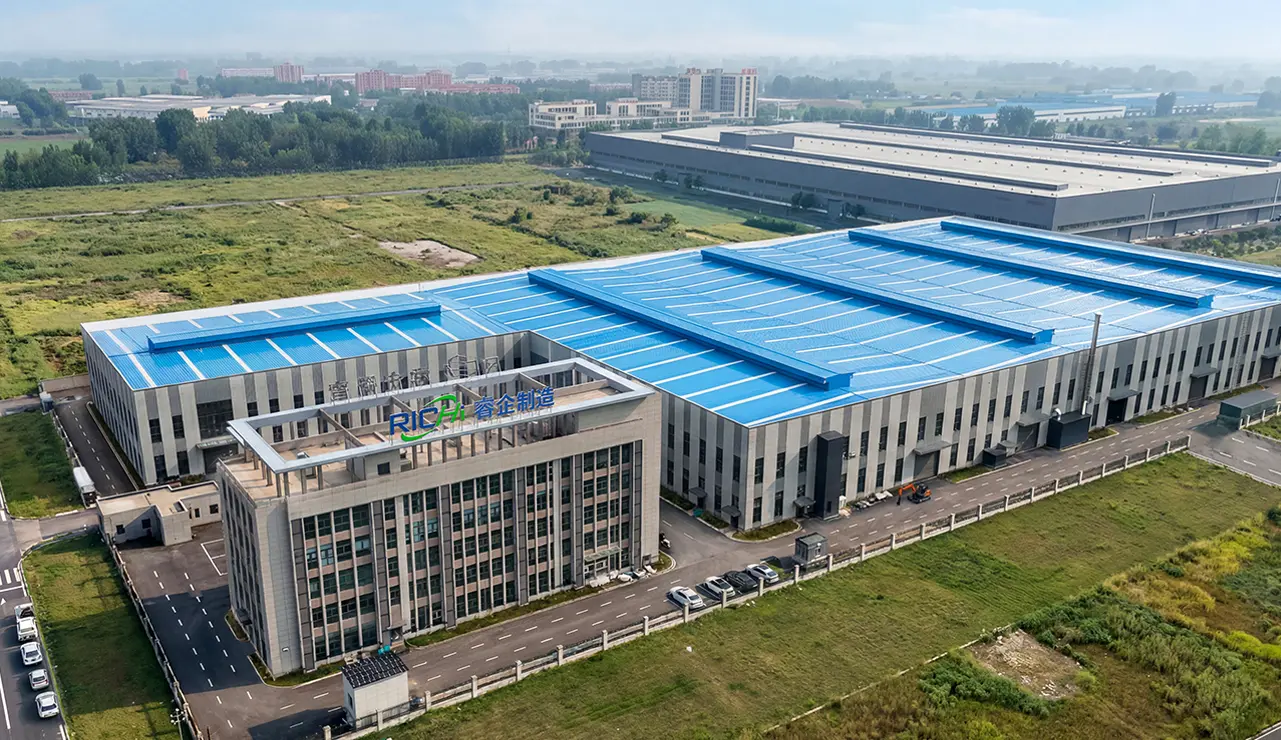
RICHI Machinery Co., Ltd., established in 1995, is a professional manufacturer integrating R&D, manufacturing, design and installation of complete sets of feed machinery engineering, complete sets of biomass pellet engineering, steel silo engineering and automation control.
Certifications & Honors
RICHI has obtained numerous international authoritative certifications, including CE, ISO9001, SGS, German TÜV, Russian RTN, and French BV, and holds 23 patents. The company has been recognized as a Henan Provincial High-Tech Enterprise, a Zhengzhou Municipal “Specialized, Refined, and Innovative” SME, and a member of the Henan Provincial International Trade E-commerce Association.
60,000㎡+
production base
23+
Patents obtained
30+
Years Of Experience
2000+
successful projects
Product System & Global Service
RICHI has developed a diverse and comprehensive product system, covering 15 major series and over 200 products, including feed pellet mills, wood pellet mills, organic fertilizer pellet mills, aquaculture extrusion extruders, and cat litter pellet mills. This system can comprehensively meet the needs of various feed production and biomass pellet processing.
Leveraging a comprehensive international marketing network, its products are sold in 131 countries and regions worldwide, with over 2000 projects implemented and annual exports exceeding 100 million RMB, serving customers globally.