Rice Husk Pellet Mill

Rice Husk Pellet Mill for Sale
Looking for a rice husk pellet mill for sale? RICHI offers MZLH ring-die mills from 0.2 to 4 t/h. We support testing, layout, spare parts, operator training, and after-sales service. Whether you’re just buying a single machine to test the waters or planning a full turnkey production line, we’ll help you pick the best-fit model.
What Is a Rice Husk Pellet Mill?

Capacity
0.2-4T/H

Particle Size
6–12 mm
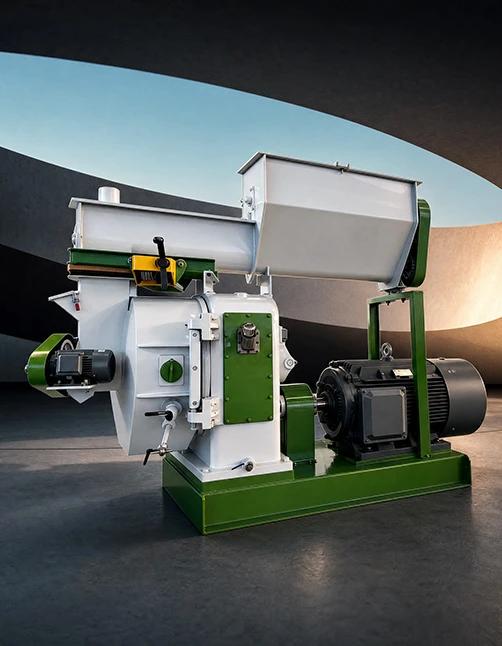
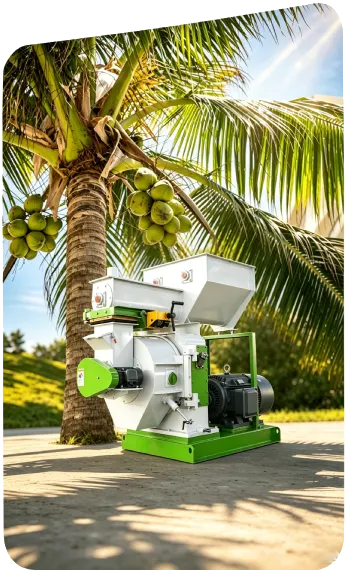
A rice husk pellet making machine is a ring-die machine that presses rice husk powder into cylinders. Unlike feed pelleting, fuel production usually needs no steam. The ring die and rollers squeeze material through holes; knives cut pellets to length. It suits fuel, bedding, organic fertilizer, and feed lines. Output depends on moisture, die compression, and motor power.
Types of Rice Husk Pellet Mills
We divide them by raw material and final use: pure rice husk fuel, mixed biomass, organic fertilizer, and animal feed. On-site tests show die compression, feeder type, and moisture control change completely between these jobs. Choose the right type first—then match capacity.
Pure Rice Husk
Fuel Pellet Mill
Application: Makes 6–12 mm burning pellets for boilers, power plants, and home heating.
•
Capacity : 1–40 t/h
•
Features:
Ring-die design, 42CrMo alloy die, forced feeder, low-RPM/high-torque motor. It handles dry rice husk without steam and keeps output stable. Pellets stay dense in storage and transport.
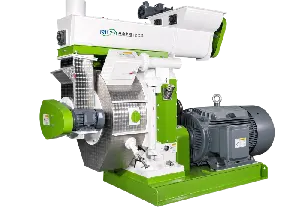
Rice Husk & Agro-Waste Biomass Pellet Mill
Application: Produces biomass fuel pellets and animal bedding from rice husk mixed with sawdust, straw, or peanut shell.
•
Capacity : 1–40 t/h
•
Features:
Wide-material ring die, anti-bridging bin, variable-frequency feeder. In daily production, it runs mixed fiber smoothly and keeps bedding pellets absorbent, dust-controlled.
Rice Husk
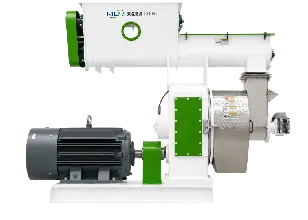
Organic Fertilizer Pellet Mill
Application: Granulates fermented rice husk, manure, and straw into organic fertilizer pellets for farms and fertilizer plants.
•
Capacity : 1–40 t/h
•
Features:
Low compression ratio, anti-blocking structure, stainless contact parts. It handles sticky, wet compost; pellets then go to drying and cooling—not steam conditioning.
Rice Husk
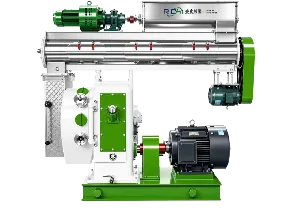
Animal Feed Pellet Mill
Application: Makes rice husk-based feed pellets for ruminants, mixed with bran, grass, or protein meals.
•
Capacity : 1–40 t/h
•
Features:
For high-fiber feed, use a forced feeder and wear-resistant die. Steam improves cooking and durability; recipe and compression ratio are set by animal type.
Superior Performance
of the Rice Husk Pellet Mill
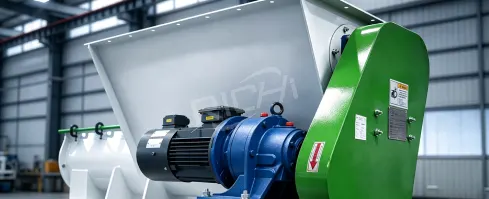
From the feeder to the ring die, every part is built for fibrous rice husk.
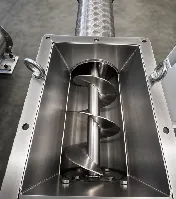
Steady Feeding, No Bridging
Variable-frequency feeder and anti-bridging bin stop rice husk from arching. Forced feeding pushes material evenly into the pellet chamber.

Durable Ring Die
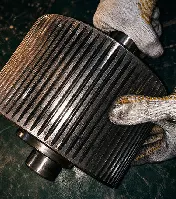
42CrMo alloy ring die, vacuum heat treated. It resists abrasion and keeps holes smooth—key for dense, crack-free rice husk pellets.
Long Roller Life
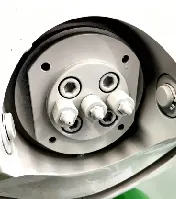
Roller assembly uses alloy steel shells and SKF bearings. In our experience, this lowers vibration and extends service life in continuous production.
Precise Cutting
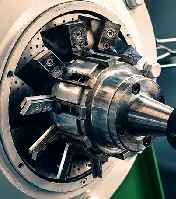
Optional stainless conditioner adds steam for feed grades. Adjustable cutter controls pellet length; thin blades suit small-diameter pellets. Both are easy to access.
Low Downtime
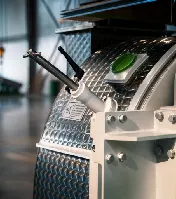
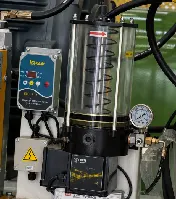
Safety pin, interlock, and observation ports protect the main shaft. Daily greasing and quick die changes keep downtime low on site.
Powerful Drive, Stable Output
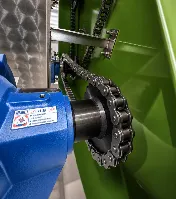
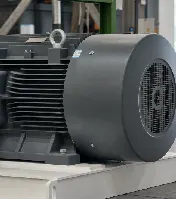
Hard-tooth gearbox and high-torque motor run at low speed. This cuts wear and keeps output steady under heavy rice husk loads.


Various Capacities
Below are MZLH ring-die models for rice husk fuel pellets. Capacities are based on dry rice husk, 6–8 mm pellets, and stable feeding. Your local moisture and die compression can shift output.
| Model | MZLH320 | MZLH350 | MZLH420 | MZLH520 | MZLH678 | MZLH768 |
| Main Motor Power(kw) | 22 | 37 | 90 | 132 | 200 | 250 |
| Arch-breaking Feeder Power(kw) | 2.2 | 2.2 | 3 | 3 | 3 | 4 |
| Forced Feeder Power(kw) | 0.75 | 0.75 | 1.5 | 1.5 | 1.5 | 1.5 |
| Ring Die Inner Diameter(mm) | 320 | 350 | 420 | 520 | 673 | 762 |
| Finished Particle Diameter(mm) | 4~12 | |||||
| Output(T/H) | 0.2-0.3 | 0.3-0.5 | 1.0-1.2 | 1.5-2.0 | 2.5-3.0 | 3.0-4.0 |
Our video showcase
Curious how rice husk turns into fuel? Watch three short videos: husk pellet machine parts & maintenance, pellet production, and a 2TPH plant in Romania.
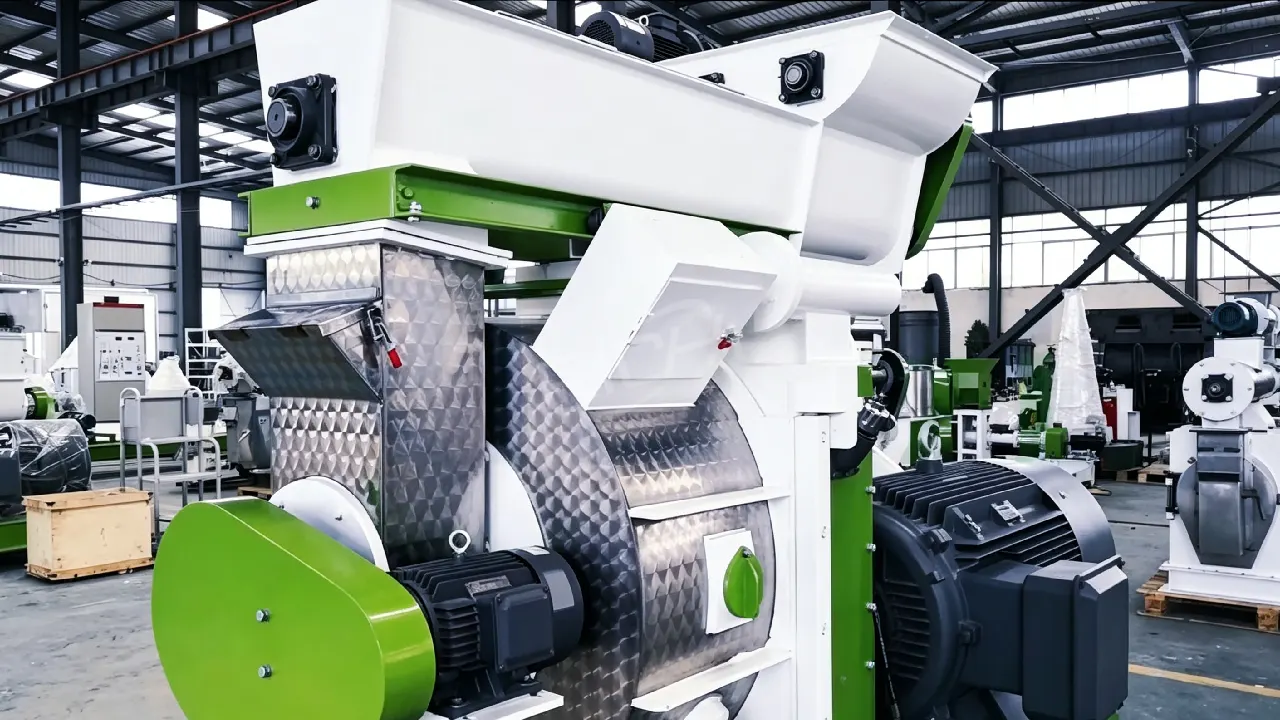

Rice Husk Pellet Mill Parts & Maintenance
Hey, take a look at this rice husk pellet machine! In this video, we’ll walk you through its overall structure—hydraulic hoses, main motor, rollers, and die chamber, all the key parts at a glance. We’ll also show you how to remove the die and rollers, so you can see what daily maintenance really looks like.
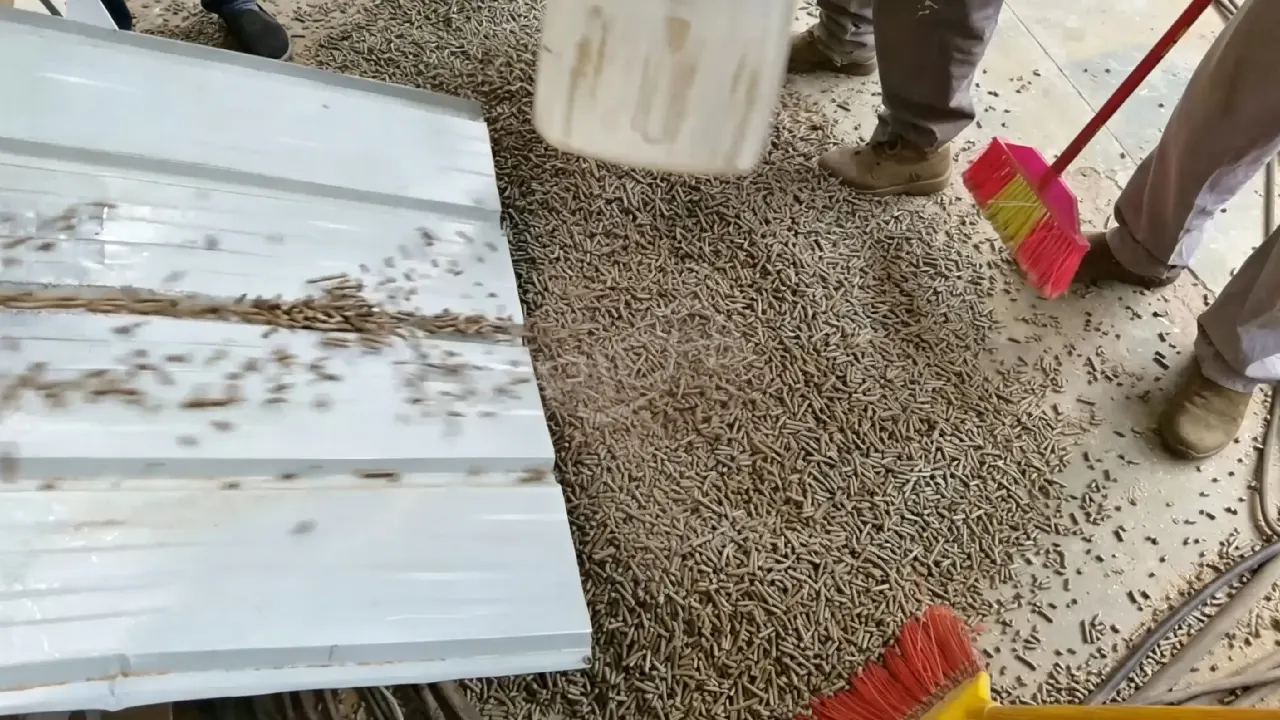
How to Produce Rice Husk Pellets
Rice husk is just the outer shell of rice—but it’s far from waste. It can be turned into solid biomass fuel pellets! RICHI rice husk pellet mill can produce rice husk pellets in 6, 8, 10, or even 12 mm diameters. Whether you need 1 ton per hour or 100 tons per hour, we’ve got a full turnkey line to match. And these pellets? They’re a clean biomass fuel widely used in co-firing power plants.
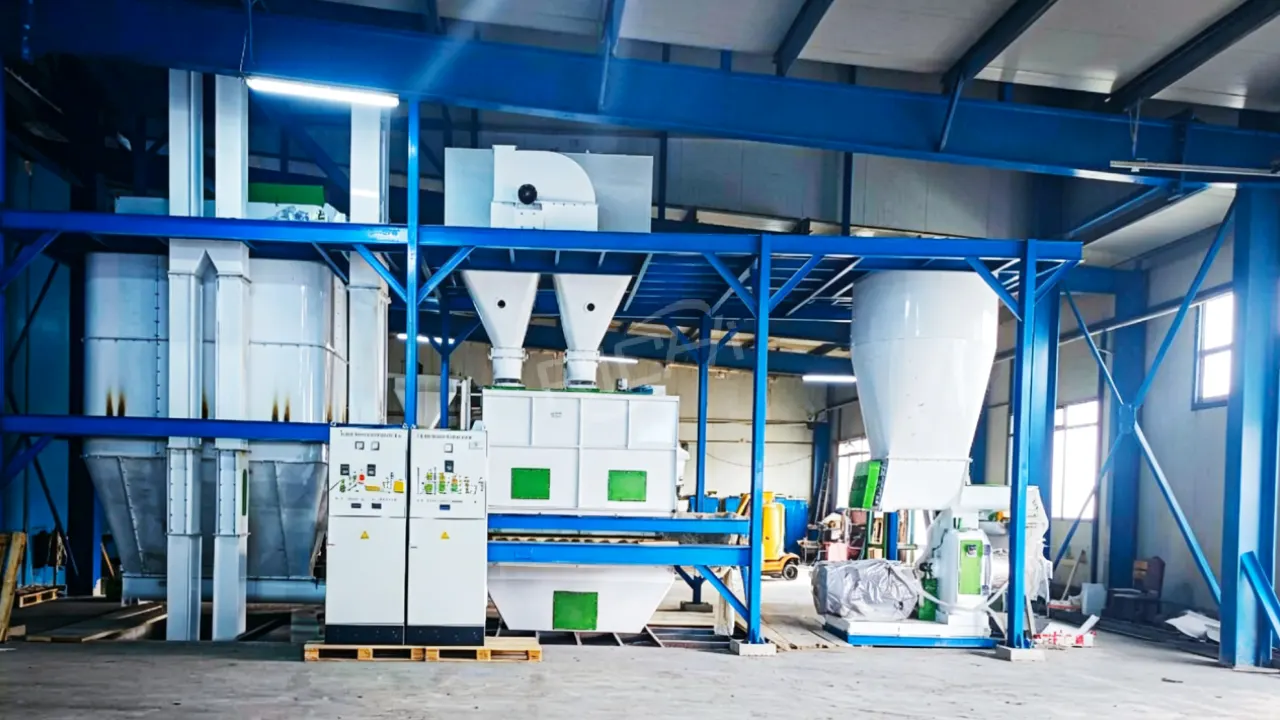
2T/H Rice Husk & Wood Pellet Plant In Romania
If you have rice husk, wood chips and other agro-waste and plan to build a biomass pellet factory, check this case. This is our fully automatic 2T/H multi-biomass pellet production line delivered to a Romanian client. It processes rice husk and wood chips, with intelligent control to complete crushing, drying, pelleting and bagging in one continuous workflow.
Rice Husk Pellet Mill Delivered Worldwide
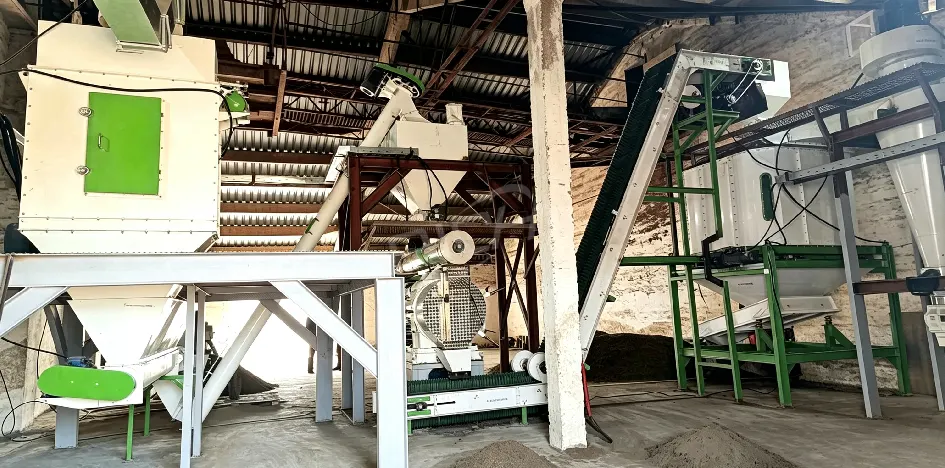
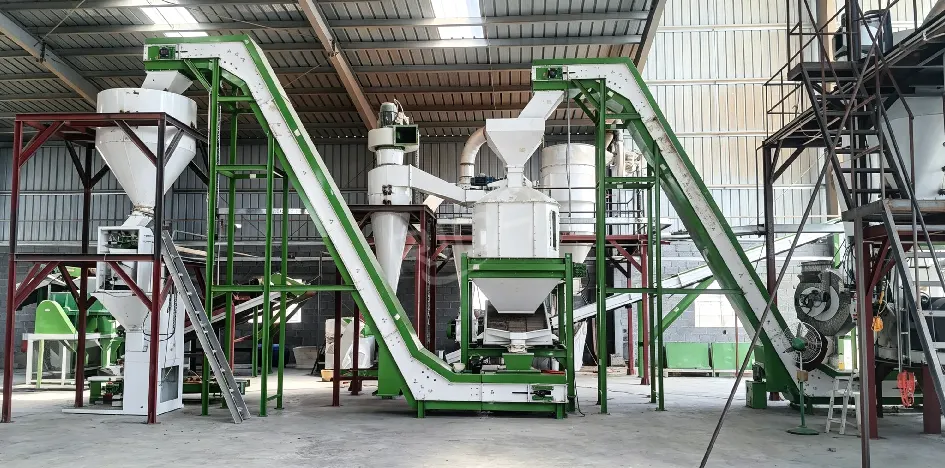
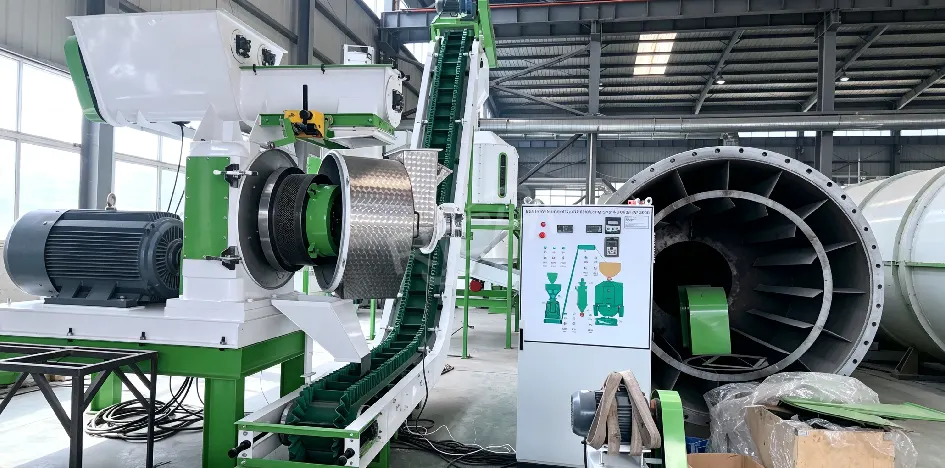
RICHI has delivered rice husk, wood, straw, and mixed biomass pellet mills and production lines in Asia, Europe, and North America. Here are typical on-site results from local farms, mills, and fuel plants.
PREVIOUS
NEXT
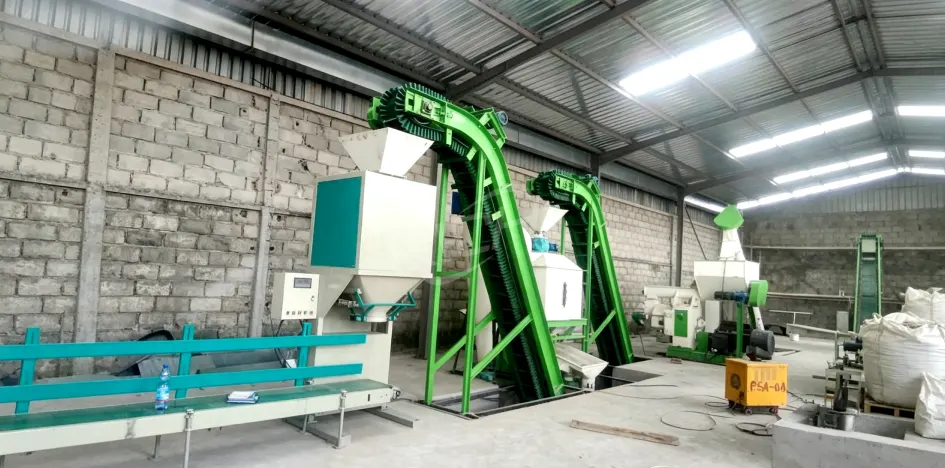
Why Process Rice Husk into Pellet Fuel?
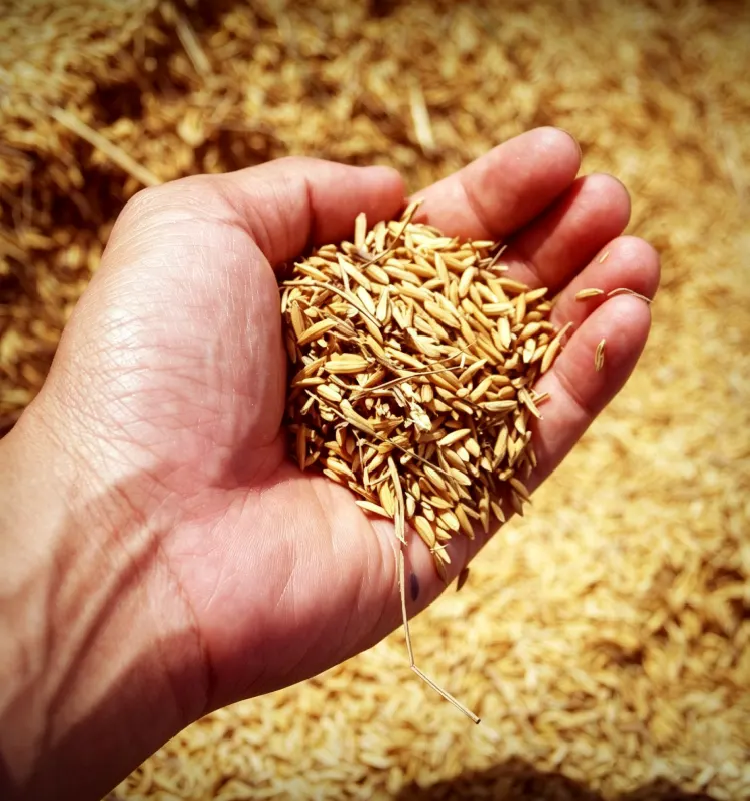
Every rice mill produces it; in some regions, about 20% of paddy weight becomes husk. Loose husk is bulky, dusty, hard to transport, and often burned in the open or dumped. Pelleting changes that.
01
Density
Rice husk pellets reach 1.0–1.4 t/m³, so trucks and warehouses carry far more energy per load.
02
Fuel Performance
Typical rice husk pellets run 3,500–4,000 kcal/kg. That is close to lignite, so many boilers can switch or co-fire. The ash produced after combustion can also be returned to the soil for use as a soil conditioner.
03
Processing Cost
In many rice husk projects, no grinding or drying is needed if moisture is already 11–13%. A single pellet mill or a complete line can start small and scale up. That keeps investment within the range expected by many.
04
Market Uses
Rice husk pellets can fuel power plants, industrial boilers, home heating stoves, and pellet fireplaces. They can also be used for animal bedding, organic fertilizer, feed, activated carbon, and silica sources.
Rice Husk Pellet Production Process
A stable rice husk pellet line is more than one rice husk pellet mill. In daily production, the key is matching each step to your raw material, moisture, and target pellet.
PREVIOUS
NEXT
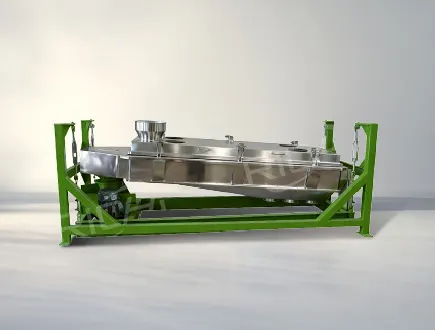
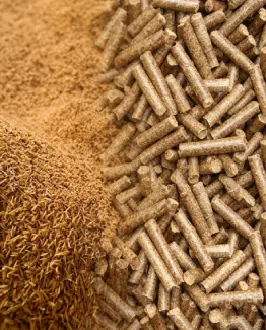
Preprocessing
Rice husk arrives from rice mills with dust, stones, strings, and bits of rope. Use a screen or destoner to remove foreign matter, protecting the pellet mill and keeping ash content under control. A hammer mill is optional if particle size varies.
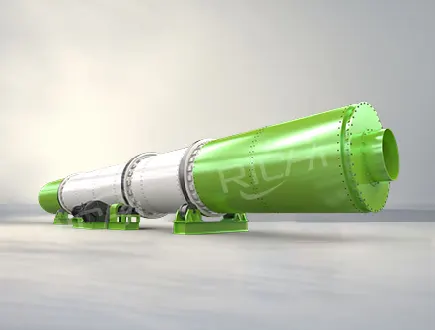
Drying
Rice husk moisture must drop to about 12–13% before pelleting. A rotary drum dryer or belt dryer does the job, heated by gas, oil, biomass, or wood. Over-drying causes cracks; too wet causes blockages and slipping. In our tests, 11–12% is a sweet spot.
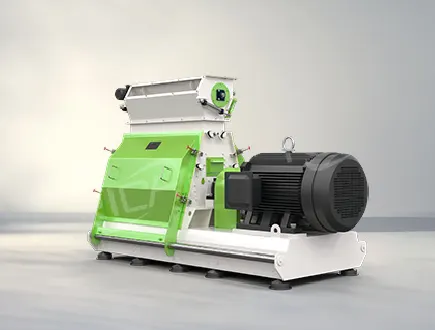
Grinding
A hammer mill grinds rice husk to ≤7 mm, ideally 3–5 mm. This raises surface area, helps lignin bonding, and improves pellet density. In many rice husk projects, grinding is optional—test your material first. Hard, long husk needs it more than soft dust. It also cuts die wear.
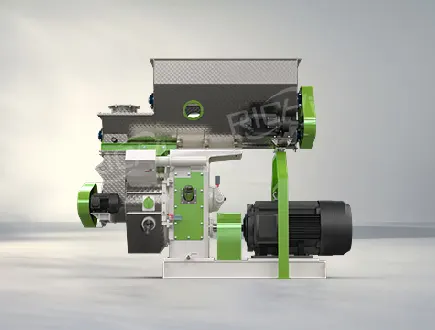
Pelletizing
The MZLH rice husk pellet mill presses powder through a ring die. No steam is normally used for fuel pellets. Rollers and die generate heat and pressure; knives cut pellets to 6–12 mm. Set compression ratio around 1:5.5 for pure rice husk. Feed steadily, never overload.
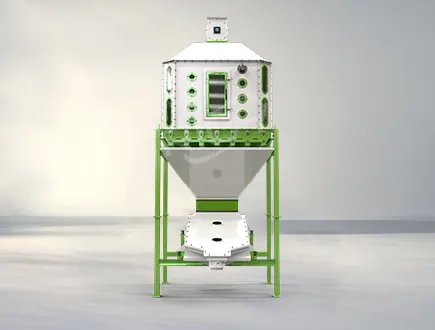
Cooling
Hot pellets leave the die at 70–90°C. A counter-flow cooler brings them close to room temperature plus 3–5°C. This hardens pellets, reduces moisture, and prevents mold during storage or bagging. Do not skip cooling—warm pellets sweat in bags. It also improves handling strength.
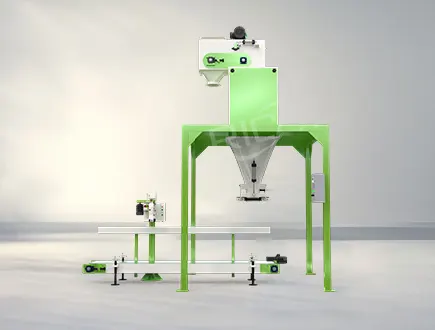
Screening & Packaging
A vibrating screen removes fines and oversize pellets. Fines return to the pellet mill; good pellets go to a silo or bagging machine. You can pack in 15–50 kg bags, ton bags, or bulk. For export, use moisture-proof liners and pallets to reduce breakage.
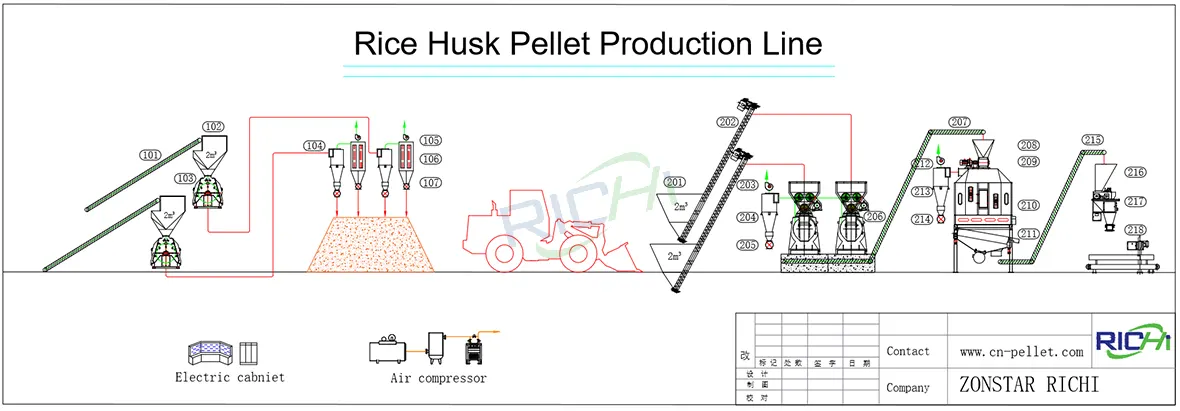
process flow diagram:
Rice Husk Pellet Production Line
This rice husk pellet production line features two ring die pellet mills running in parallel. The complete line covers raw material feeding, hammer crushing, dust collection, pelletizing, counterflow cooling, vibrating screening, and automatic packaging, with a capacity of 3–6 t/h. Output can be further increased by upgrading the pellet mill model or adding more parallel units.
· Raw Material Preprocessing Section
Belt Conveyor: Transports rice husk, sawdust, straw, and other raw materials.
Storage Silo: Temporarily stores raw materials.
Hammer Mill: Crushes rice husk, breaks up agglomerates, and refines raw material.
Pulse Bag Filter: Dedusting for the crushing section, collects dust, meets environmental standards.
Raw Material Stacking Area (center): Forklift transfer.
· Pelletizing Section
Buffer Silo
Bucket Elevator: Lifts crushed rice husk into the pellet mill.
Feeder + Iron Remover: Uniform feeding, removes metal impurities, protects the ring die.
Two Ring Die Rice Husk Pellet Mills: Core equipment, two units running in parallel.
· Post-Processing Section
Bucket Elevator: Transfers hot pellets to the cooler.
Counterflow Pellet Cooler: Cools and hardens high-temperature pellets, improves pellet strength.
Vibrating Screen: Screens out fines, separates qualified pellets from powder; powder is recycled for re-pelletizing.
Finished Product Bucket Elevator + Automatic Packing Machine: Automatically bags and seals finished pellets.
· Auxiliary Equipment
Electrical Control Cabinet: PLC centralized control for the entire line.
Air Compressor: Supplies air to the packing machine and pneumatic valves.
FAQ About Rice Husk Pellet Production
In our inbox, buyers ask the same practical questions before buying a rice husk pellet mill. Will my wet husk work? What capacity can one machine reach? Do I need a dryer or hammer mill? Below are answers from our engineers and real project sites. Use them as a starting point—then send us your raw material details for a tailored quote.
What moisture is best for rice husk pelleting?
→
For fuel pellets, keep rice husk moisture around 11–13%. In our tests, 12% works well with a 1:5.5 compression ring die. Too wet causes slipping and blocked holes; too dry gives weak, cracked pellets. Above 15–18%, add a dryer before the pellet mill. It protects output and die life.
Do I need a hammer mill for rice husk?
→
Not always. Many rice husk pellets can be made directly if particle size is already ≤7 mm. But grinding to 3–5 mm improves bonding, density, and output. If your husk contains long straw, boards, or lumps, add a hammer mill before pelleting.
Can rice husk pellets replace coal?
→
Yes, for many boilers. Rice husk pellets have about 3,500–4,000 kcal/kg, close to lignite. They burn with low black smoke and lower CO2 than coal—1.42 kg/kg vs 2.6 kg/kg. Check your boiler feeding system and local emission rules first. Some boilers need small adjustments to air and feed. Trials are recommended. We can share data.
What is the pellet size and density?
→
Common fuel pellet diameters are 6 mm, 8 mm, and 10 mm. Length is usually 5–50 mm, or 4 times the diameter. Bulk density can reach 1.0–1.4 t/m³. Smaller 6 mm pellets suit small boilers; 8–10 mm suit larger industrial boilers. We size the die and cutter to your market. Samples help. Ask us.
How much does a rice husk pellet machine price?
→
Price depends on capacity, motor, ring die, feeder, and whether you need a full line. A single MZLH husk pellet machine can start around USD 10,000; complete 1–5 t/h lines cost more. In our experience, dryer and layout often affect total cost as much as the mill. Tell us your raw material and target output for a real quote.
How much does it cost to start a rice husk pellet production line?
→
A 1 t/h line typically runs USD 30,000–60,000 depending on configuration—dryer, cooler, and bagging included. Rice husk pellets sell for around USD 100–150 per ton, and many operators see payback in 6–12 months under stable production. Your local power cost and raw material supply affect this most. We’ve seen faster returns where rice mills supply free husk nearby.
Are rice husk pellets as good as wood pellets?
→
Not identical—but close enough for many boilers. Rice husk pellets run 3,500–4,000 kcal/kg, about 83% of wood pellet heating value. Ash is higher: 12–17% vs. wood’s typical 1–3%. That said, washing or blending with straw can cut ash to 11–13%. If your boiler handles higher ash, rice husk pellets deliver strong value at lower feedstock cost.
Still unsure? Every rice husk is different. Moisture, ash, fiber, and local power supply change the line design. Share a sample and your target capacity, and we will recommend the right MZLH model, ring die compression, and full line layout.
More Biomass Pellet Machines
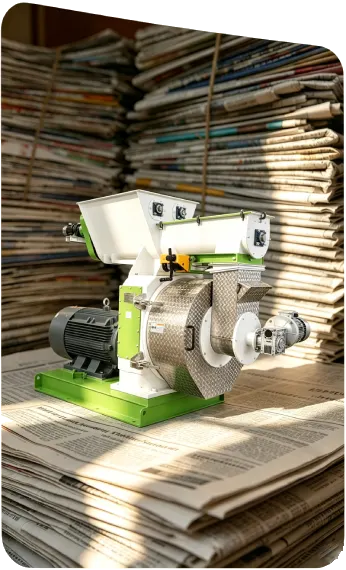
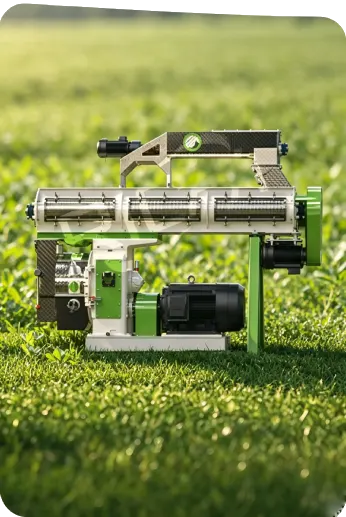
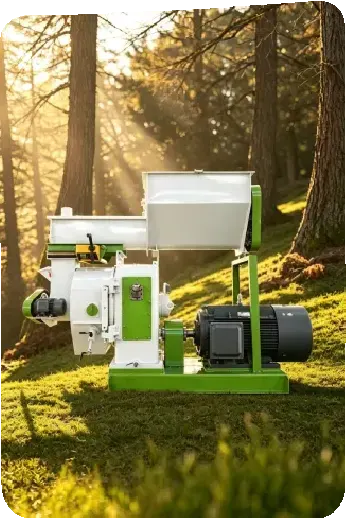
Our rice husk pellet mill delivers stable biomass pellet production. We also design specialized pellet mills to process diverse raw materials. Explore our alternative models built for EFB, alfalfa, waste paper and sawdust to match your unique feed, bedding or fuel manufacturing demands.
Who are we?
RICHI Manufacturer Co., Ltd., established in 1995, is a professional manufacturer integrating R&D, manufacturing, design and installation of complete sets of feed machinery engineering, complete sets of biomass pellet engineering, steel silo engineering and automation control.

Certifications & Honors
RICHI has obtained numerous international authoritative certifications, including CE, ISO9001, SGS, German TÜV, Russian RTN, and French BV, and holds 23 patents. The company has been recognized as a Henan Provincial High-Tech Enterprise, a Zhengzhou Municipal “Specialized, Refined, and Innovative” SME, and a member of the Henan Provincial International Trade E-commerce Association.
60,000㎡+
production base
23+
Patents obtained
30+
Years Of Experience
2000+
successful projects
Product System & Global Service
RICHI has developed a diverse and comprehensive product system, covering 15 major series and over 200 products, including feed pellet mills, wood pellet mills, organic fertilizer pellet mills, aquaculture extrusion extruders, and cat litter pellet mills. This system can comprehensively meet the needs of various feed production and biomass pellet processing.
Leveraging a comprehensive international marketing network, its products are sold in 131 countries and regions worldwide, with over 2000 projects implemented and annual exports exceeding 100 million RMB, serving customers globally.