Rice Straw Pellet Making Machine

Pellet size:
2–12 mm, with 6 mm and 8 mm being the working sizes for most straw fuel and feed jobs.
Capacity:
Fuel pellets: 0.2–4 t/h
Straw-based feed: 1–42 t/h
Straw-based fertilizer: 1–22 t/h

Price:
The cost for a single machine ranges from $7,000 to $100,000.
Applications:
Feed pellets for ruminants, fuel pellets for boilers and power plants; also organic fertilizer and bedding-adjacent products.
Applicable Customers:
Rice-growing farm operations, biomass fuel producers, feed mills looking to monetize straw, and contractors serving Bangladesh, India, Pakistan, and Southeast Asia.
Turn Rice Straw Into High-Value Pellets
Rice straw is one of those feedstocks that looks easy on paper—it’s dry, it’s everywhere, and it’s cheap. Then you run it through a standard pellet mill and the die starts wearing, the pellets come out crumbly, and you wonder what went wrong.
Rice straw arrives light, fibrous, and loaded with silica that eats standard dies. So the rice straw pellet making machine uses forced feeding to stop bridging, a low-speed high-torque drive, and a wear-resistant ring die sized for straw. It is built for rice-growing regions—farm operations, fuel producers, feed mills—where straw is abundant and open burning is no longer an option. The result: stable output, fewer fines, and pellets that hold together.

Types of Rice Straw Pellet Making Machine
Rice straw feed pellets and rice straw fuel pellets share a starting material, but they don’t share a specification. A fuel pellet wants density and low fines. A feed pellet wants palatability, and often a softer bite.
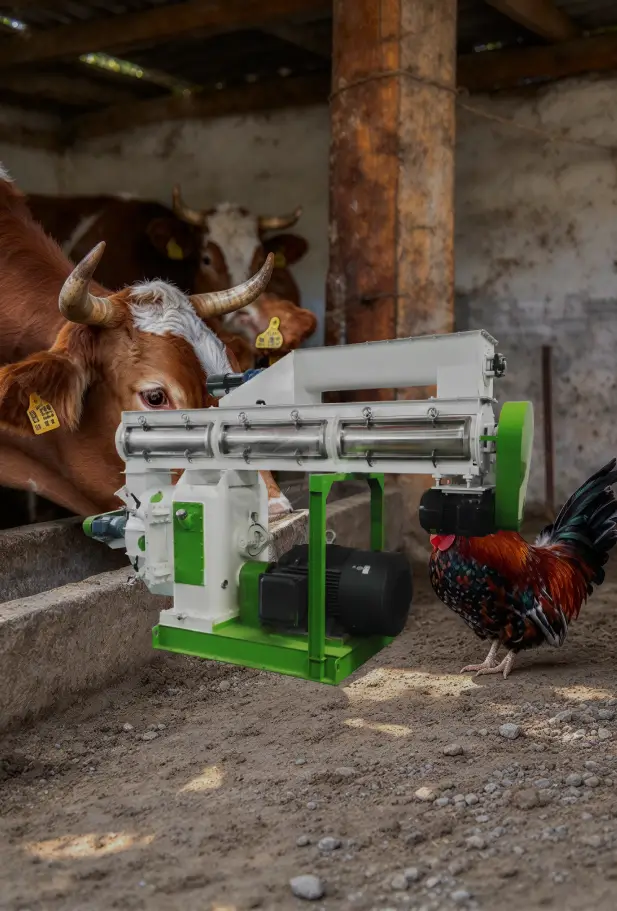
Rice straw feed pellet machine
This is the version with a conditioner—single or double-layer, depending on the amount of steam treatment required for the material and feed types. The aim is to soften the straw, gelatinize whatever starch is in the mix, and make the pellet something a ruminant will actually eat.

01.
Lower compression ratio than a fuel die for palatability.
02.
Rice straw on its own is low in protein—feed formulations usually pair it with molasses, urea, or a concentrate mix to lift intake.
03.
Double-layer conditioner for high-fiber; single-layer for simple rations.
Rice straw fuel pellet machine
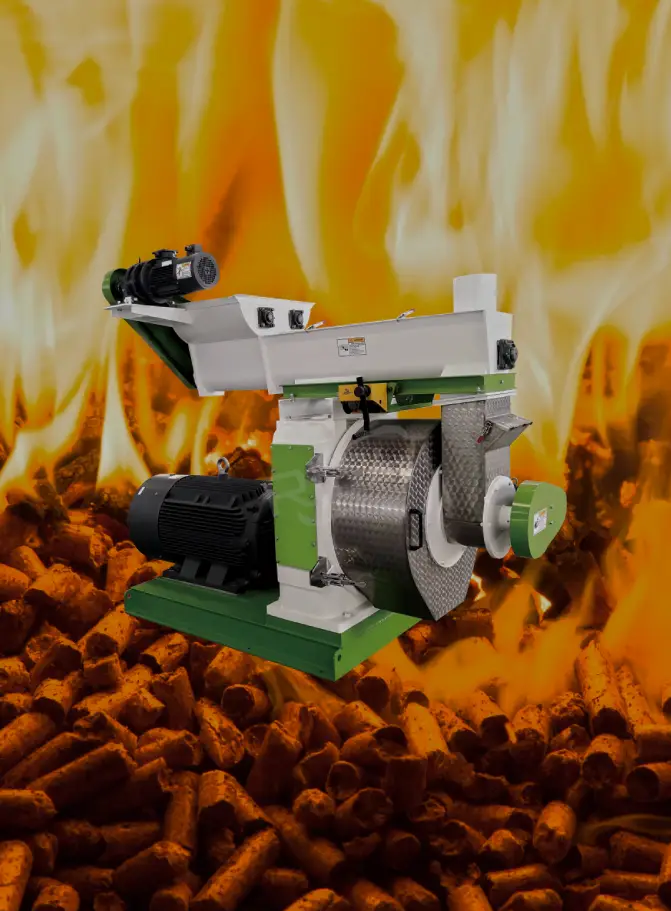
This one runs without a conditioner—no steam, no cooking. It relies entirely on mechanical compression to transform straw into high-density fuel briquettes, a process that must overcome technical challenges posed by the straw’s high silica content and inherent elasticity.
01.
Up to 15% silica and hollow stems will accelerate die wear.
02.
Compression ratios for rice straw fuel typically sit around 1:6 to 1:8.
03.
20CrMnTi ring die is recommended for durability and cost control.
Inside a Live Rice Straw Pelleting Run
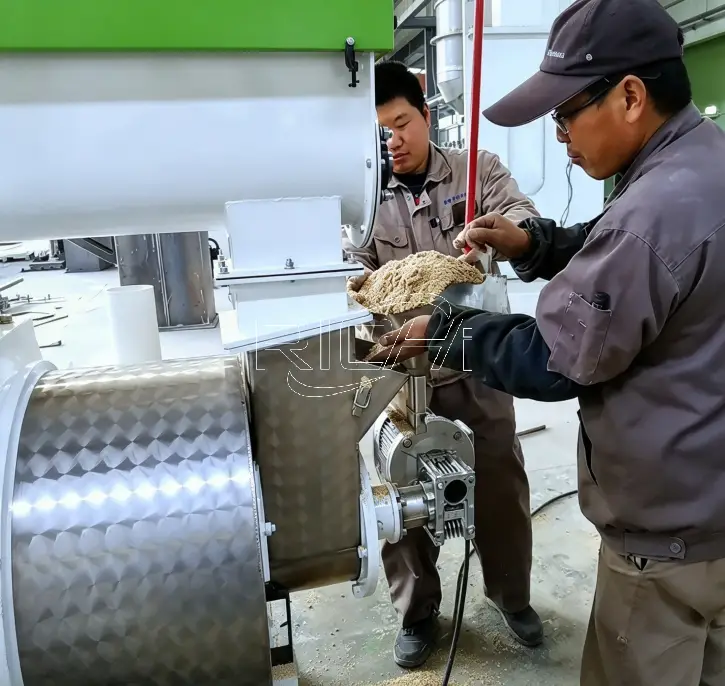

Machine Trial: What Rice Straw Pelleting in Action
“We keep our eyes on the die first. If the ammeter reading rises and pellets look shiny and sticky, it means the rice straw moisture is too low or the compression ratio is set too tight.” — Operator of a rice straw fuel pellet pilot line.
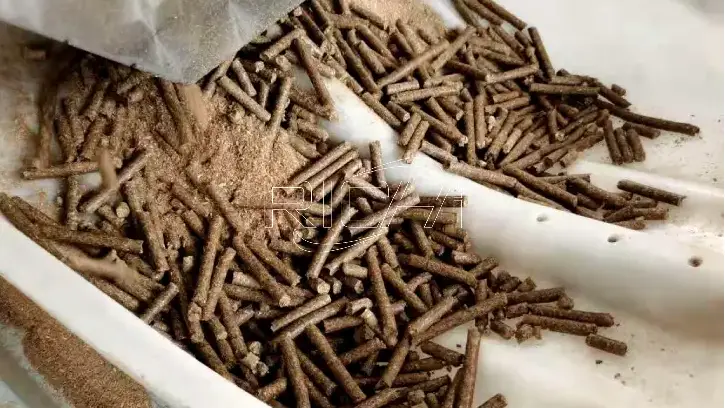
During trial production, you can see that loose, light-colored rice straw turns into dark, dense pellets in a split second once it contacts the die face. Instead of strictly following a preset formula sheet, operators adjust the feed rate in real time by listening to machine noise and monitoring the ammeter reading.
When rice straw is in ideal condition — moisture content around 15% and particle size below 5 mm — the rice straw pellet making machine runs smoothly, and cut pellets have neat cross-sections. If material conditions deteriorate, abnormal noise usually appears first: machine load increases, die temperature rises, and cracks form on the surface of rice straw pellets.
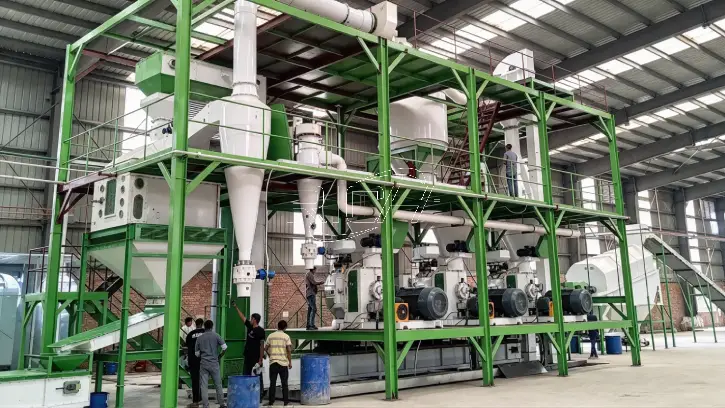
Factory Test Run Before Delivery of Rice Straw Pellet Production Line
15T/H Rice Straw & Sawdust Mixed Fuel Pellet Project in Bangladesh
Delivered Rice Straw Pellet Mill Case Notes
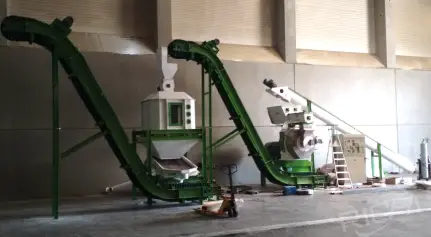
Egypt 1.5–2 t/h rice straw pellet making machine
This dairy farm client in Egypt processes straw, wheat straw, and nutritional additives into uniform-sized forage pellets, which are then used to feed the cattle and sheep they raise.
Project Date: May 27, 2020
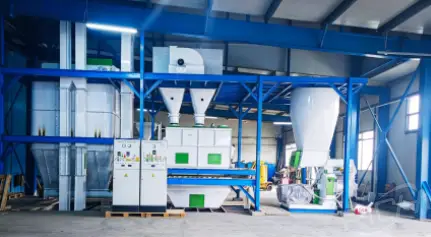
Romania 2 t/h rice straw pellet making machine
Located in Brăila County, Romania, this 2-ton-per-hour straw pellet production line processes straw with a moisture content of 18%–25% to produce fuel pellets with a density exceeding 600 kg/m³.
Project Date: September 11, 2019
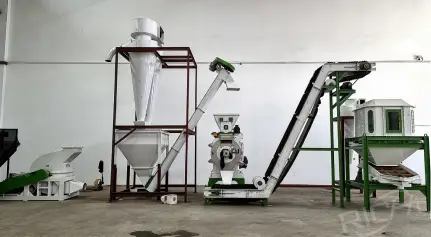
Vietnam 2.5 t/h rice straw pellet making machine
A modular 2.5 t/h rice straw pellet machine in Vietnam turns local straw into 8 mm industrial fuel pellets—compact setup, fast commissioning, low entry cost.
Project Date: October 7, 2022
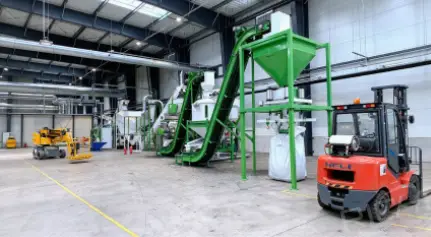
Pakistan 2–3 t/h rice straw pellet making machine
Serving an agricultural energy enterprise, this project utilizes rice straw—mixed with wheat straw and corn stalks—as its primary feedstock. It employs a semi-automated production line designed to meet local demand for fuel.
Project Date: June 2, 2020
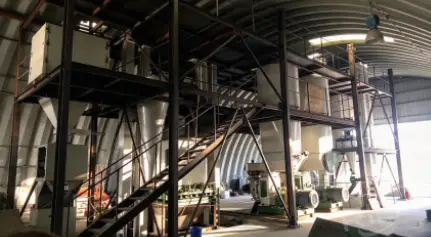
India 5 t/h rice straw pellet making machine
Built under India biomass subsidy policy, this auto line cuts straw burning and supplies industrial fuel. Furthermore, the design of the production line specifically incorporates provisions for future capacity expansion.
Project Date: July 4, 2021
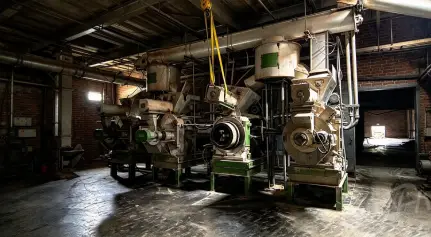
Brazil 8–10 t/h rice straw pellet making machine
Brazil’s 8–10 t/h rice straw project runs continuously, Mixing rice straw, sugarcane bagasse, and other crop residues sourced from the local area, and processing them into 6–8 mm feed for ruminant livestock (cattle and sheep).
Project Date: July 19, 2022
The Core Components That Make It Work
Let’s open up the rice straw pellet making machine and look at what actually matters.
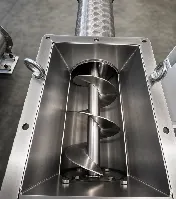
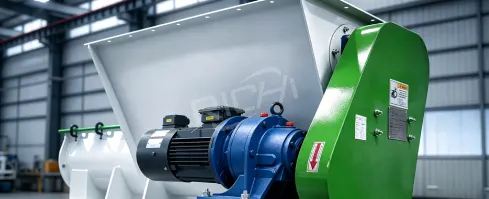
Feeding system
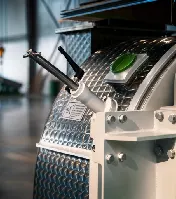
Straw is fluffy, light, and prone to bridging in the bin. The arch-breaker’s job is to keep material moving instead of hanging up—so the die gets a steady, consistent feed.

SKF Bearings & Seals
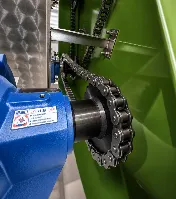
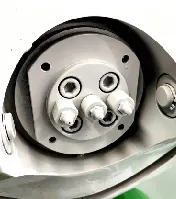
The gear shaft and main shaft bearings are SKF. Every bearing seat is sealed against dust and moisture.
Overload Protection
Straw can throw a slug of hard tramp material. The safety pin shears, the machine stops, and you don’t destroy the gearbox.
Roller assembly
The rollers are what press straw through the die holes. Their real value is load distribution and consistent pressure across the die face. This reduces uneven die wear and helps the mill maintain output without overheating the die.
Cutter
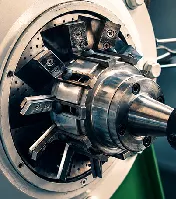
The cutter decides whether the pellet leaves the die cleanly or shatters into fines. A properly aligned cutter gives a clean cut at roughly 1–1.5 times the pellet diameter, which means fewer fines, better bagging behavior.
Ring die
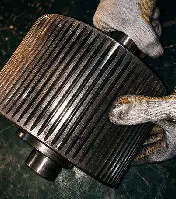
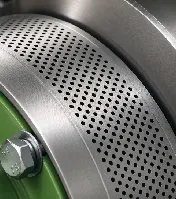
For straw, the die material and compression ratio are chosen together—too soft a die wears fast, too tight a ratio generates heat. A case-hardened alloy steel die (20CrMnTi class) gives straw the abrasion resistance it needs while holding a compression ratio that actually suits a low-lignin, high-silica feedstock.
Rice Straw Pellet Making Machine Specifications
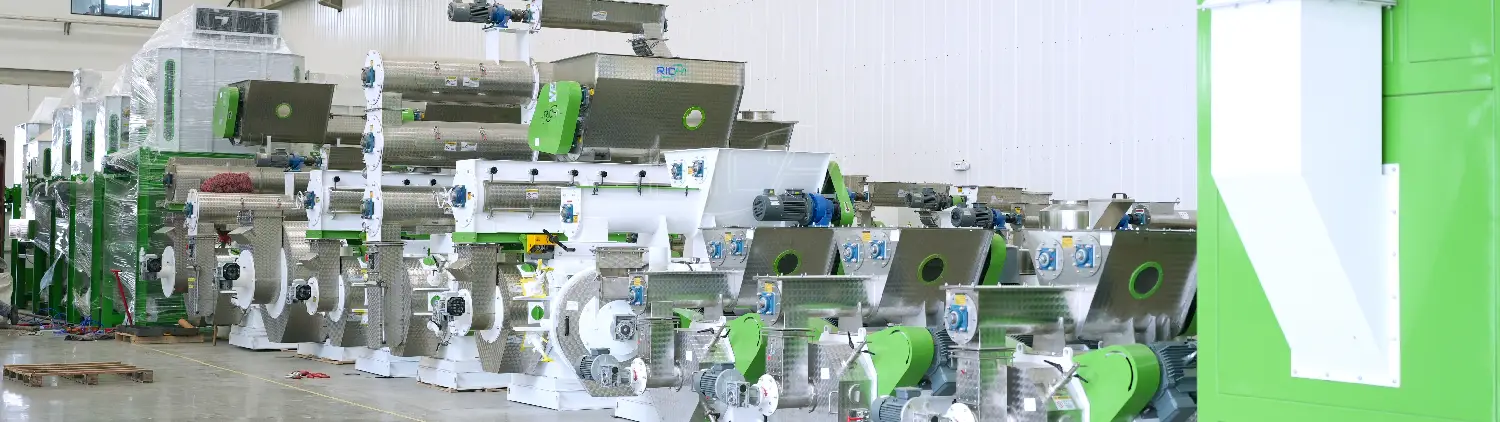
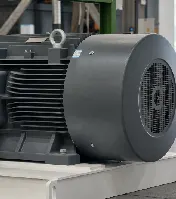
We build the MZLH series rice straw pellet making machine, purpose-built for turning straw into combustion pellets. Capacity spans 0.2–4 t/h, from the MZLH320 up to the MZLH768.
| Model | MZLH320 | MZLH350 | MZLH420 | MZLH520 | MZLH678 | MZLH768 |
| Main Motor Power(kw) | 22 | 37 | 90 | 132 | 200 | 250 |
| Arch-breaking Feeder Power(kw) | 2.2 | 2.2 | 3 | 3 | 3 | 4 |
| Forced Feeder Power(kw) | 0.75 | 0.75 | 1.5 | 1.5 | 1.5 | 1.5 |
| Ring Die Inner Diameter(mm) | 320 | 350 | 420 | 520 | 673 | 762 |
| Finished Particle Diameter(mm) | 2~12 | |||||
| Output(T/H) | 0.2-0.3 | 0.3-0.5 | 1.0-1.2 | 1.5-2.0 | 2.5-3.0 | 3.0-4.0 |
You can achieve your target output by selecting the appropriate rice straw pellet making machine model or using pelletizers in parallel; we offer a wide range of configurations—including basic, low-spec, standard, high-spec, fully automatic, semi-automatic, and PLC-controlled systems—to meet your needs.

How Rice Straw Pellets Are Made
Rice straw pellets are made in a sequence—and each step exists because the previous one didn’t quite finish the job. Skip one, and the die tells you. Rush one, and the bag tells you.

Pre-treatment
Crushing
Drying
Pelletizing
Cooling
Screening & Packing
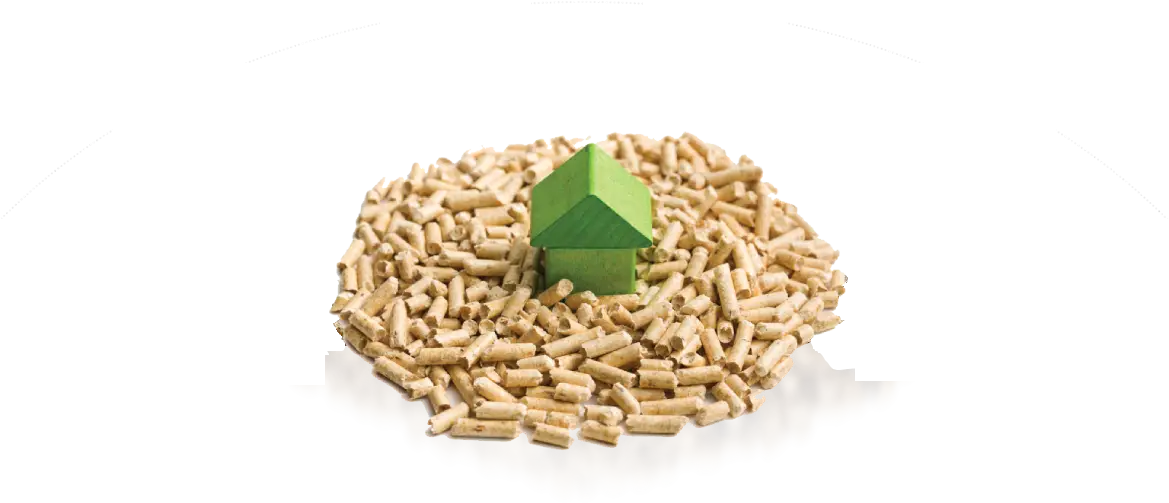
One warning: the single most common reason a rice straw pellet making machine “won’t make pellets” is moisture. Above roughly 18%, straw smears and blocks die holes; below 10%, it refuses to bind and the pellet crumbles coming off the die.
Auxiliary Equipment Around the Straw Mill
A rice straw pellet making machine alone doesn’t make a rice straw pellet line. These are the machines that keep the mill fed, cooled, and honest.
Bale Breaker
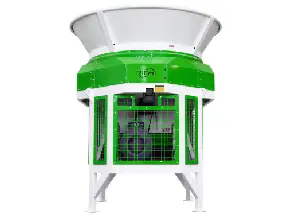
Breaks compressed rice straw bales into loose material so the crusher isn’t fighting a brick.
| Power | Number of hammers | Max. processing diameter |
| 55–90 kW | 36–48 | 1,800–2,050 mm |
Rice Straw Crusher
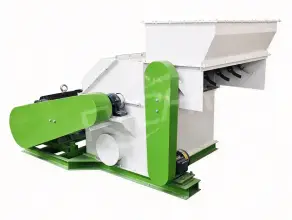
Reduces long rice straw to a consistent length before fine grinding—protects the hammer mill.
| Power | Capacity | Speed |
| 22–55 + 55 + 3 kW | 0.5–6 t/h | 1,440 rpm |
Hammer Mill
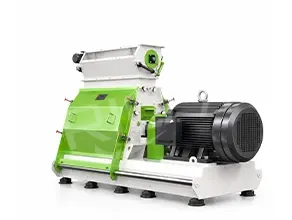
Screen size and hammer condition set the particle-size distribution going into the die.
| Power | Capacity | Speed |
| 37–220 kW | 0.8–8 t/h | 2,980 rpm |
Rice Straw Dryer
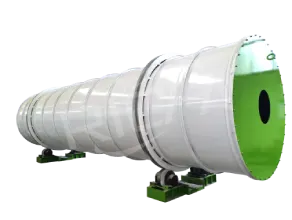
A rotary drum dryer brings high-moisture rice straw into the pelleting window.
| Diameter | Length | Drum rotation speed |
| 0.6–1.8 m | 6–24 m | 3–12 rpm |
Bucket Elevator
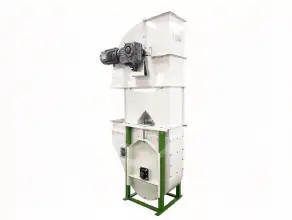
Vertical transfer between stages. Rice straw lines need attention here because light material can hang up in buckets and chutes.
| Power | Capacity | Head pulley diameter |
| ≤4–37 kW | 6–100 t/h | 360–630 mm |
Rice Straw Pellet Cooler
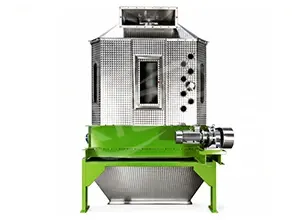
Counterflow design; cools the pellet without shocking it. A cooler that’s too aggressive makes brittle pellets.
| Power | Capacity | Cooling time |
| 1.5–2.2 kW | 1–40 t/h | 6–15 min |
Rotary Grading Sieve
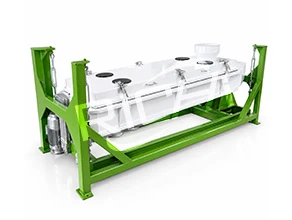
Separates whole pellets from fines and oversize. Oversize goes back to the mill; fines go back to the die.
| Power | Capacity | Gyration radius |
| 1.5–5.5 kW | 3–40 t/h | 25–35 mm |
Automatic Packing Machine
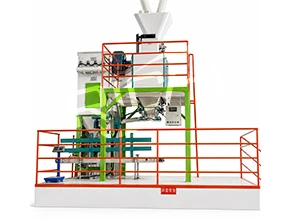
Weighs and bags the finished pellet.
| Power | Packing speed | Air supply requirement |
| 0.55 + 0.37 to 1.5 + 0.55 + 0.37 kW | 2–8 bags/min | 0.4–0.6 MPa, 1.5 m³/h |
FAQ About Rice Straw Pellet Production
We frequently receive the same practical questions from customers looking to purchase rice straw pellet making machine: Can the machine process both feed pellets and fuel pellets? What is the production capacity of a single unit? Why does my machine keep blocking the die? Below, our engineers provide answers based on real-world project experience. You can review this information and then send us details about your raw materials to receive a customized quote.
What does a rice straw pellet making machine cost?
→
A single small mill can start around $6,000–$12,000; a complete production line—including a dryer, cooler, screening machine, and bagging machine—the price can vary significantly depending on the production capacity and specific configuration. The material used for the molds and the specifications of the dryer are the two primary factors influencing the cost.
Why does my rice straw pellet making machine keep blocking the die?
→
Moisture, almost every time. Rice straw above 17–18% smears and plugs. Second suspect: die compression ratio too tight for the straw’s lignin and fiber profile. Third: roller gap too large, it can cause the rollers to slip, leading to die blockage.
Can I make feed pellets and fuel pellets on the same machine?
→
Not by changing the die alone. The feed version needs a conditioner and a different compression-ratio strategy; the fuel version runs dry. Some buyers keep two die sets, but the machine configuration—conditioner, feeder, safety settings—is the bigger difference.
How long does a die last on rice straw?
→
A 20CrMnTi ring die typically gives 800–1,500 hours on straw-class feedstock; a standard 40Cr die may fall in the 200–300 hour range. Silica is the variable you can’t remove—you can only choose a die that tolerates it.
Do I need a binder for rice straw pellets?
→
For fuel, usually no—lignin softening under pressure does the job, though rice straw’s lignin is lower than wood, so the process window is narrower. For feed, molasses or urea-molasses treatment is common—not as a pellet binder, but to improve intake and digestibility.
What moisture is right for rice straw pelleting?
→
Roughly 13–17%(wet basis), with 15% as the practical center. Below 10% the pellet crumbles; above 18% the die blocks and the mill labors.
Ready to discuss your rice straw pelletizing project? Tell us about your feedstock, target capacity, and end product—we’ll recommend the right configuration.
Related Biomass Machines Worth a Look
Different feedstock, same mill logic—these machines all straddle the feed/fuel line, depending on die and conditioner choices.
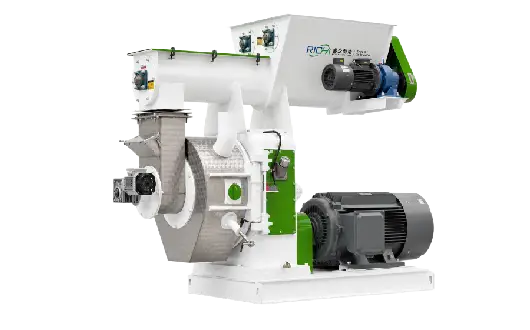
Rice Husk Pellet Mill
High-ash, high-silica feedstock; die wear is the design driver, not throughput.
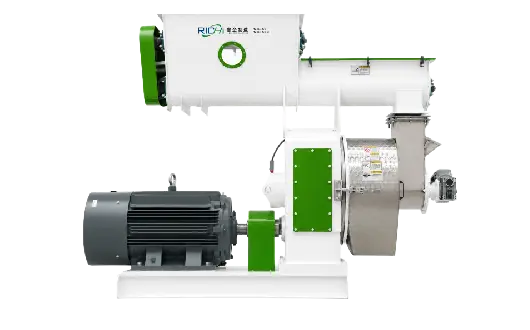
Peanut Shell Pellet Mill
Dense and relatively low-silica; a friendlier die material than rice straw.
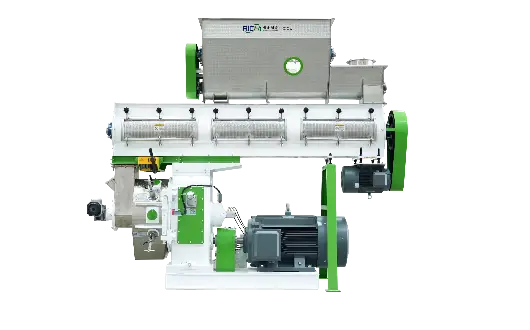
Hemp Pellet Mill
Fibrous and abrasive in its own way; often run as feed or industrial fuel.
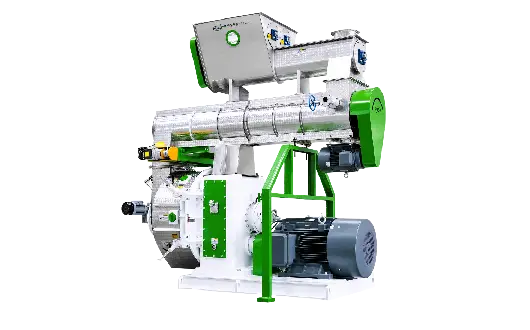
Hay Pellet Mill
Forage-first machine; the conditioner choice is what decides feed pellet versus fuel pellet.
Who are we?
RICHI Machinery Co., Ltd., established in 1995, is a professional manufacturer integrating R&D, manufacturing, design and installation of complete sets of feed machinery engineering, complete sets of biomass pellet engineering, steel silo engineering and automation control.

Certifications & Honors
RICHI has obtained numerous international authoritative certifications, including CE, ISO9001, SGS, German TÜV, Russian RTN, and French BV, and holds 23 patents. The company has been recognized as a Henan Provincial High-Tech Enterprise, a Zhengzhou Municipal “Specialized, Refined, and Innovative” SME, and a member of the Henan Provincial International Trade E-commerce Association.
60,000㎡+
production base
23+
Patents obtained
30+
Years Of Experience
2000+
successful projects
Product System & Global Service
RICHI has developed a diverse and comprehensive product system, covering 15 major series and over 200 products, including feed pellet mills, wood pellet mills, organic fertilizer pellet mills, aquaculture extrusion extruders, and cat litter pellet mills. This system can comprehensively meet the needs of various feed production and biomass pellet processing.
Leveraging a comprehensive international marketing network, its products are sold in 131 countries and regions worldwide, with over 2000 projects implemented and annual exports exceeding 100 million RMB, serving customers globally.